A Solo Female Trip to Myanmar
My initial plan was to go backpacking through the Middle East but then, well we know what happened, so I redirected my plans to Asia. I’ve travelled Asia pretty extensively and really wanted to visit a new country and culture, which left me looking at Myanmar.
Myanmar isn’t a big tourist hit anymore due to a civil war breaking out in 2011, which has left a large part of the country currently fighting and most of the country in poverty. When the tourism boom hit between 2015 to 2019, I was someone that liked to “vote with their wallet", and given what was going on (and is still going on) there with the Rohingya genocide, I felt strongly about not spending my tourist dollars there.
Fast forward to 2026 and with a lot of maturing, learning and becoming more open-minded, I’ve learned to separate people from their government. I now take a more pragmatic view: I would rather help some, than none at all.
That leads me to spending 10-days in Myanmar.
Travelling a country currently in a civil war comes with a unique set of rules and guidelines. Before running through my itinerary, I need to run through requirements.
Visa:
Visa can be completed online for Australians with a fee of $50USD. It takes around 3-5 business days. This part is important - with the military in power and the current government, your visa dollars are going directly to the military.
Cash:
ALL CASH NEEDS TO BE BROUGHT INTO THE COUNTRY WITH YOU! This is not me being dramatic, it’s crucial you take with you all your cash you will need. Due to the war, it’s virtually impossible to get cash out at ATM’s and there are only ATM’s in Yangon and Mandalay, if you manage to find one that will work, then you lose half your money i.e. 10,000 kyat on the black market will become 5,000 kyat if you take it out of the ATM. Only big hotels will allow you to pay on card, everything else is cash only - restaurants, taxis, BnB’s, overnight buses.
Currency that can be exchanged includes USD (all notes need to be crisp and in perfect condition), Euros or Thai Baht. I brought in Thai Baht because I flew from Chaing Mai and the exchange rate is better for me as an Australian to get Baht rather than USD.
Cash will then be exchanged on the black market at a currency exchange place. Ask your hotel for a recommendation and don’t speak to people on the way to and from the currency exchange.
1 Thai Baht = 130 Myanmar Kyat, therefore $1 AUD = 3,100 Myanmar Kyat. This will be the rate I use for my references.
Note - the situation is dire in Myanmar and unless you have a stone heart, you will want to help people that you become close with. My biggest tip is to bring a lot more cash into the country with you than you think. The situation also changes too, so plans will change and you may end up needing more cash.
Robberies:
This is a difficult part to include because it seems so insane to think that this is a possibility given the honest nature of the people, but given the poverty and extreme situation people face, robberies have become more common. I was advised to take off my jewellery at bus stops and on long journeys, and keep all my cash physically on me.
In hindsight, I should have left my jewellery at home (note, I wear a lot of jewellery, it’s fine if you don’t wear much). Whilst trekking through villages, it was also something local women brought up when they saw my hands, which made me feel uncomfortable for wearing it and I felt super out of touch.
SIM Card:
I purchased a 20gb sim card (30,000 kyat / $14 AUD) at the airport after customs. The service was very good and wi-fi is super unreliable, so a sim card is essential.
Online Access:
Whatsapp, Instagram, Facebook and other websites are blocked. I used JumpJump VPN and paid for Free VPN. Keep in mind when messaging guides etc that they may be delayed due to this.
Starlink:
I had my starlink on me as I use it when travelling for work. Starlink is illegal in Myanmar however I had no issues bringing it in. It didn’t work very well though in Myanmar and took ages to get online. If you can avoid bringing it, then I would, to minimise risk and getting in trouble.
Posting Online and Security:
For your safety, do not post, text or speak openly about the military and current situation. If you want to post anything, wait until you leave the country. If locals share their personal stories with you, do not share these details online and make sure they can not be identified or traced back to you. It’s your responsibility to keep the locals that open up to you safe. As a foreigner, you will be fine, they will not.
Drone:
I didn’t have my drone on me thankfully. I wouldn’t want to try and bring a drone in. It’s obviously illegal and if you’re thinking of even trying to bring it in and fly, then I don’t think you understand the severity of what’s happening in Myanmar and perhaps, it’s not a location you should visit.
Transport:
Due to the war, there are barely any tourists, which means there are virtually no internal flights anymore. The only way to transfer between cities is via public bus or private transfer. The petrol crisis in Myanmar is horrific, so it’s difficult and very expensive to take private cars anywhere.
Military Checkpoints:
During transfers you will go through many military checkpoints. They will request your passport. It’s a good idea to have photocopies of your visa and passport - your first hotel will be able to do this for you.
Guide Recommendations:
Whilst I didn’t use a guide for my trip, I met some amazing ones travelling.
Aung - his whatsapp is +95 9 954 001300 - he is based in Yangon but guides for all of Myanmar.
Soe Travel on Facebook
Many others in the facebook group “Myanmar Backpacker/Traveller Information”
Safety as a Solo Female:
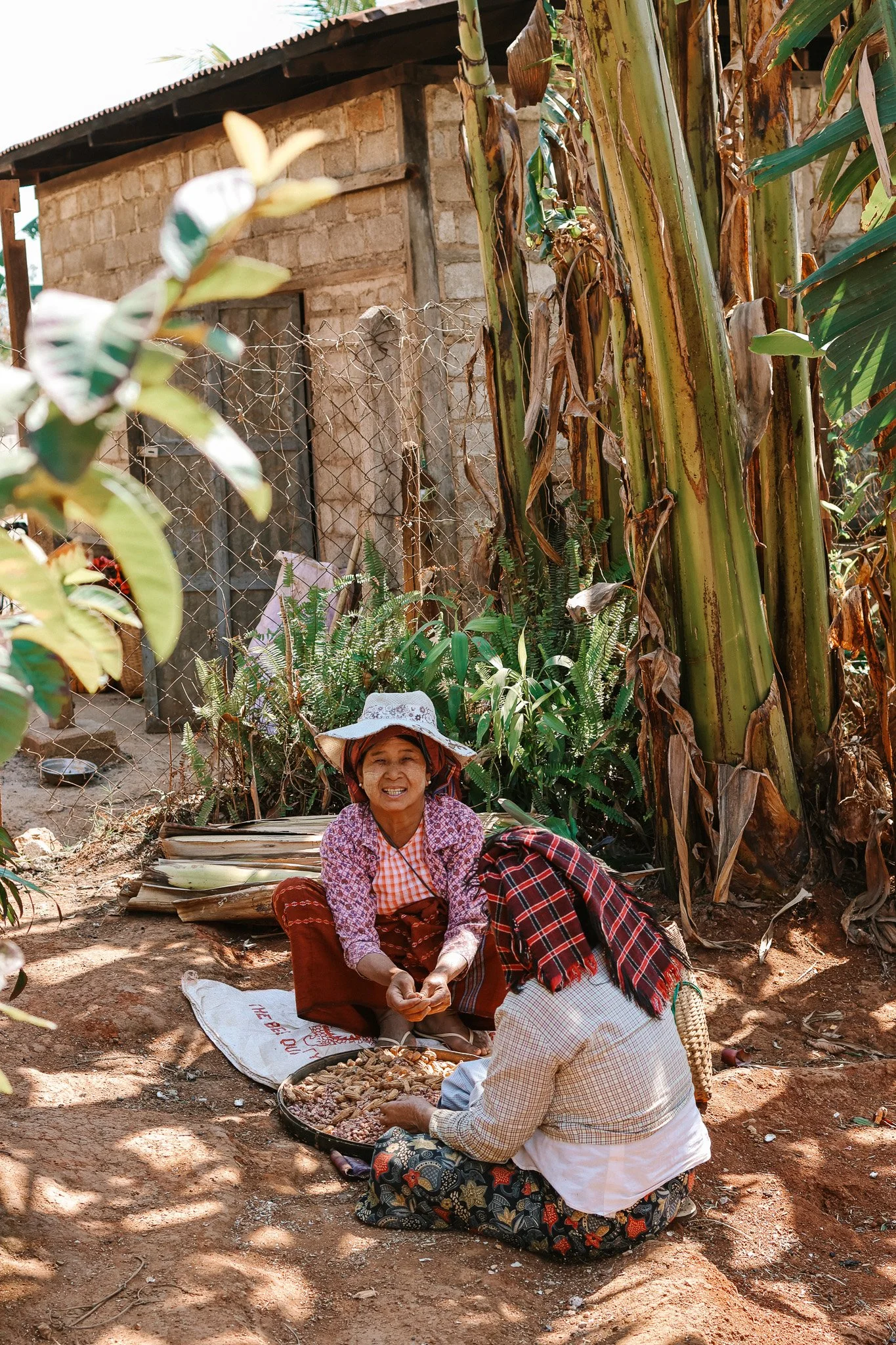
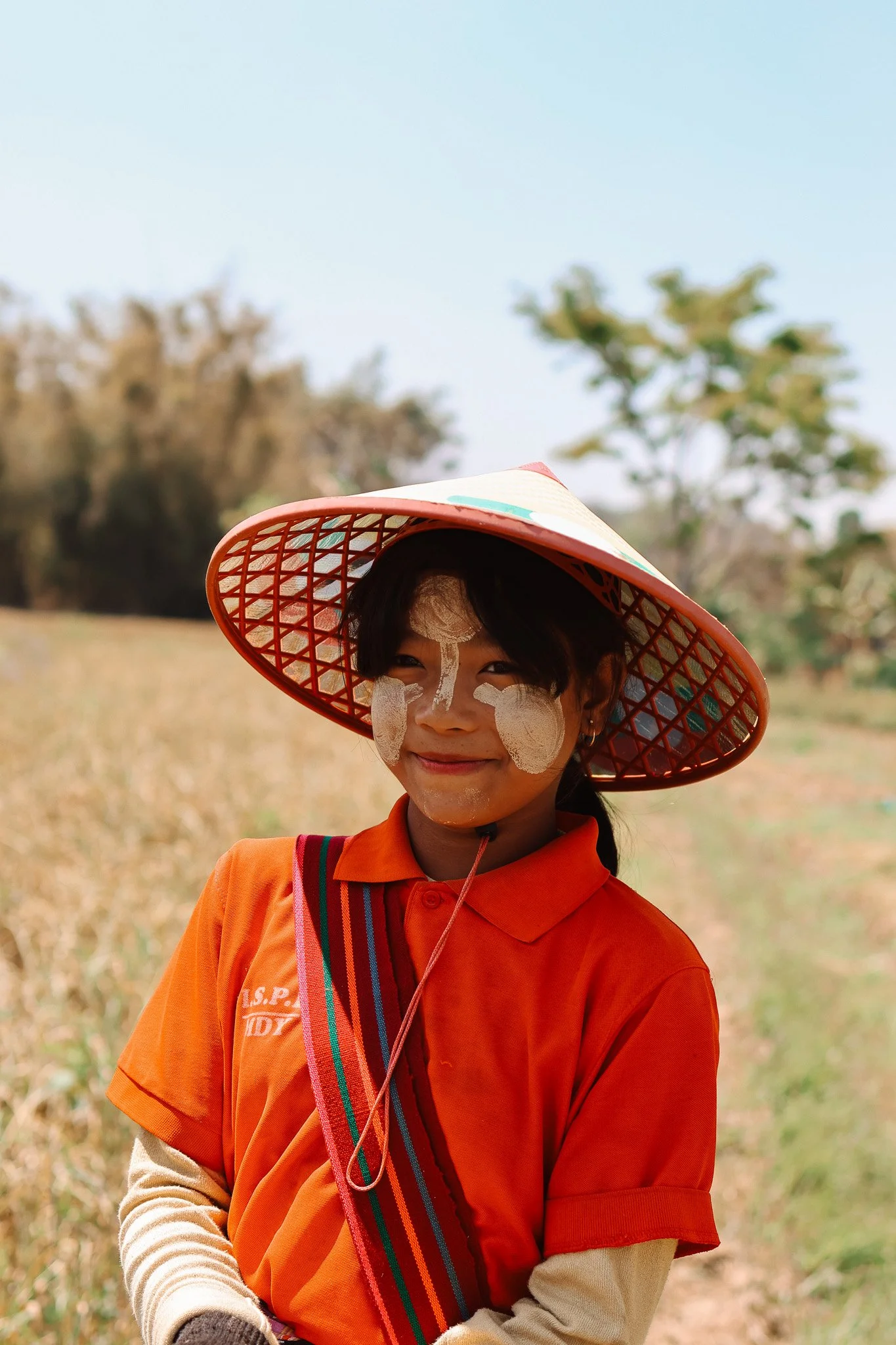
I visited without a guide and navigated it all solo. I felt incredibly safe as a female, the people really looked out for me and always made me feel safe. It was super comforting having people keep an eye out for me, so I never felt alone. People will really go out of their way to help you.
Is Myanmar a place for me to visit?
It’s not a location I recommend if you’re not a very experienced or confident traveller. Whilst safe, it is in a civil war, and that throws a lot of spanners in the work. You need to be flexible, understanding and calm in situations.
If you’re a medium-experienced traveller then I recommend getting a guide for your whole trip. The guide will help with translating and navigating everything. You can either add on a private driver (super expensive), or take public buses from city to city with your guide and then a driver or tuktuk whilst in each city. Or alternatively, you can have a guide in each city - I’ve outlined a list of guides for each city.
If you’re an experienced traveller then it’s fine to do it independently and unguided. I paid for a couple of guides for an hour or so just to explain the history better to me. Your hotel will also be able to give a lot of good advice and tips, as well as help book your buses.
How do I know if an area is safe to travel to?
High-level, the areas with active fighting have restricted access so you wouldn’t be able to get through the checkpoints anyway. Locals are very in the know, they will tell you if an area is safe or not. I.e. in Mandalay I went to visit Hsinbyume Pagoda however my hotel advised the area has active fighting and you can no longer visit. The ironic thing is that they kept apologising for the inconvenience, which felt somewhat misplaced given the reality of what people there are dealing with and the last thing that matters is some tourist wanting to visit a Pagoda.
Things change quickly, and an area that was once considered “safe” may no longer be anymore and vice versa i.e. Inle Lake was safe when I was there but a couple months before you weren’t allowed to visit. My hotel in Bagan initially said they didn’t think I could go trekking from Kalaw to Inle Lake (even though the guide I was meeting there said it was safe) and was very concerned for me so took it upon themselves to call their own contacts to check.
For the sake of stating the obvious, be flexible and remember that it may be an inconvenience to you but these are peoples lives we’re talking about. It’s much bigger than you.
How do I know if my money is going towards the military?
Your visa goes directly to the military and is unavoidable. Taxes also go to the military but given it’s a cash-only society, there are ways to get around this.
Some hotels are owned by people that have strong links with the military i.e. the famous Aureum Palace Hotel in Bagan is owned by someone that is very closely linked with the junta and had previous international sanctions because of this. Please do research before booking somewhere, your best bet are the smaller, boutique hotels and family-run BnB’s.
Yangon - 3 x Days
I flew direct from Chiang Mai to Yangon, you can also fly direct from Bangkok. I booked a Grab from the airport to my hotel. I spent 3 x days in Yangon, you could do 2 if you don’t intend on doing any stone shopping. My third day was entirely reserved for stones. I’m also bias though because i prefer to get out of big cities.
Guide:
Aung’s whatsapp +95 9 954 001300. He can be your guide for Myanmar, Yangon or just Shwedagon Pagoda, I highly recommend him.
Stay:
I stayed at Pan Pacific Hotel in Yangon for $70 usd a night. The staff were absolutely amazing and really looked out for me.
Getting Around:
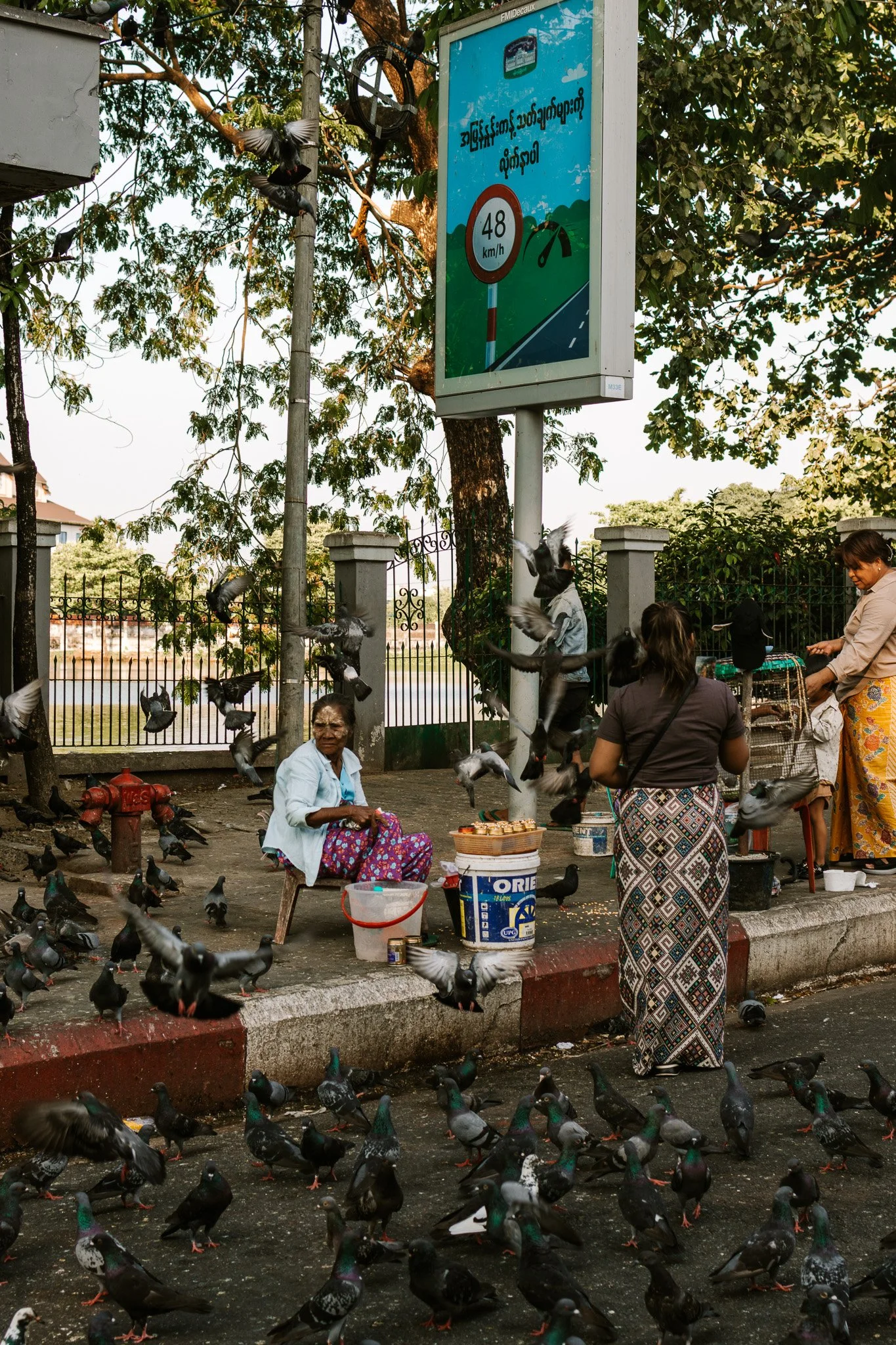
You can use grab, although they cancel a lot and are very slow or you can hail down taxis. A lot will decline you, I never actually figured out why but eventually one will agree to take you.
Currency Exchange:
I went to Swan Htet Yee at the bottom of Scott Market
Eat:
Mohinga House
999 Shan Noodle House
Rangoon Tea House - cool, it’s pricey and a lot of expats
Mogok Noodle Bar
Pink Headed Duck Cafe
Shan Yoe Yar Restaurant - Shan cuisine,
SUT Restaurant - Kachin traditional food, super local
Street Food - I ate a lot of street food, noodle dishes were around 50 aud cents. I just chose somewhere busy and pointed to someone elses dish to order.
To Do:
The Strand - the oldest hotel in Yangon and has high tea. I had coffee and cake here (44k / $15 aud)
Hla Day - Artisan handicrafts store
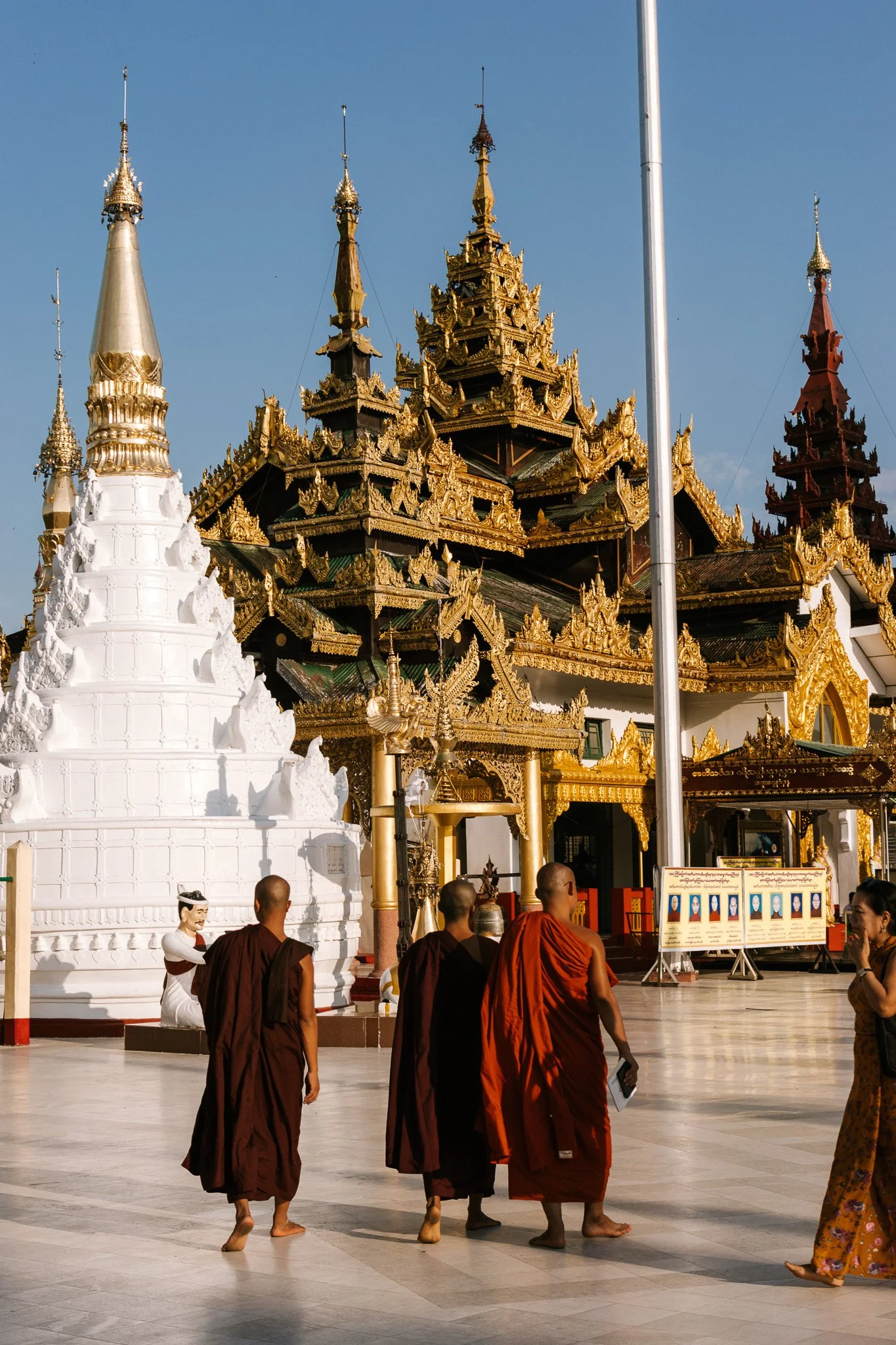
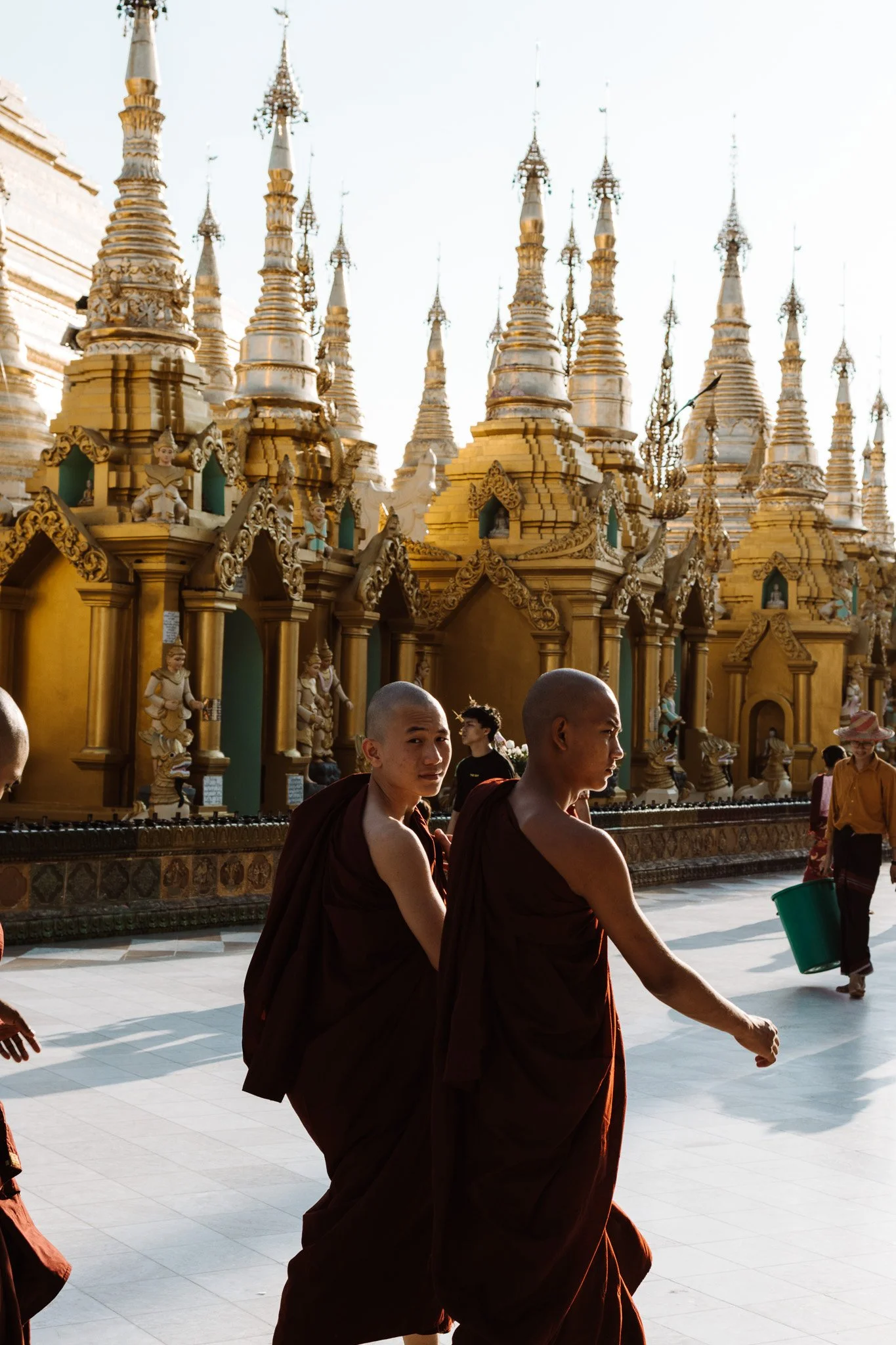
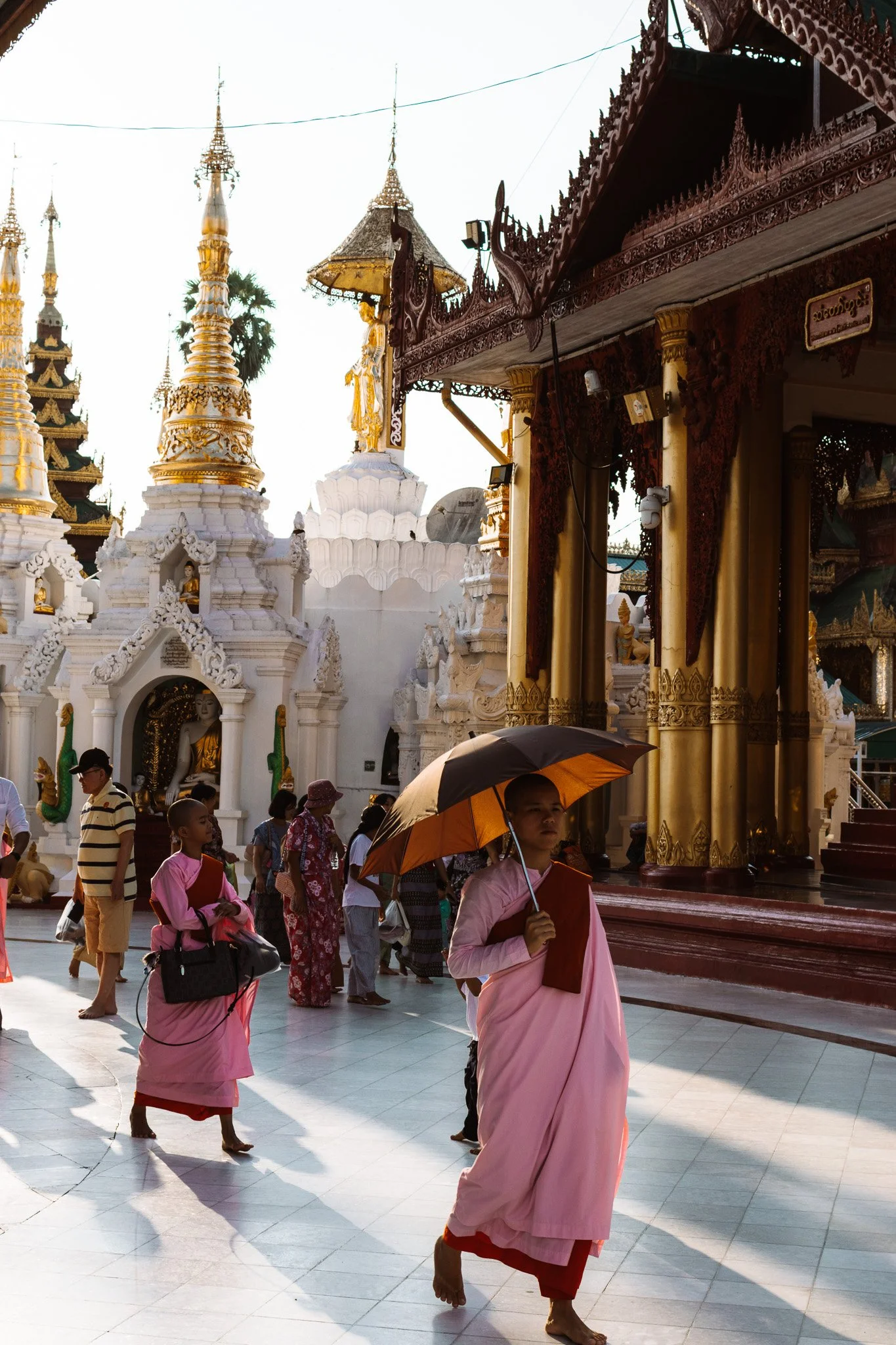
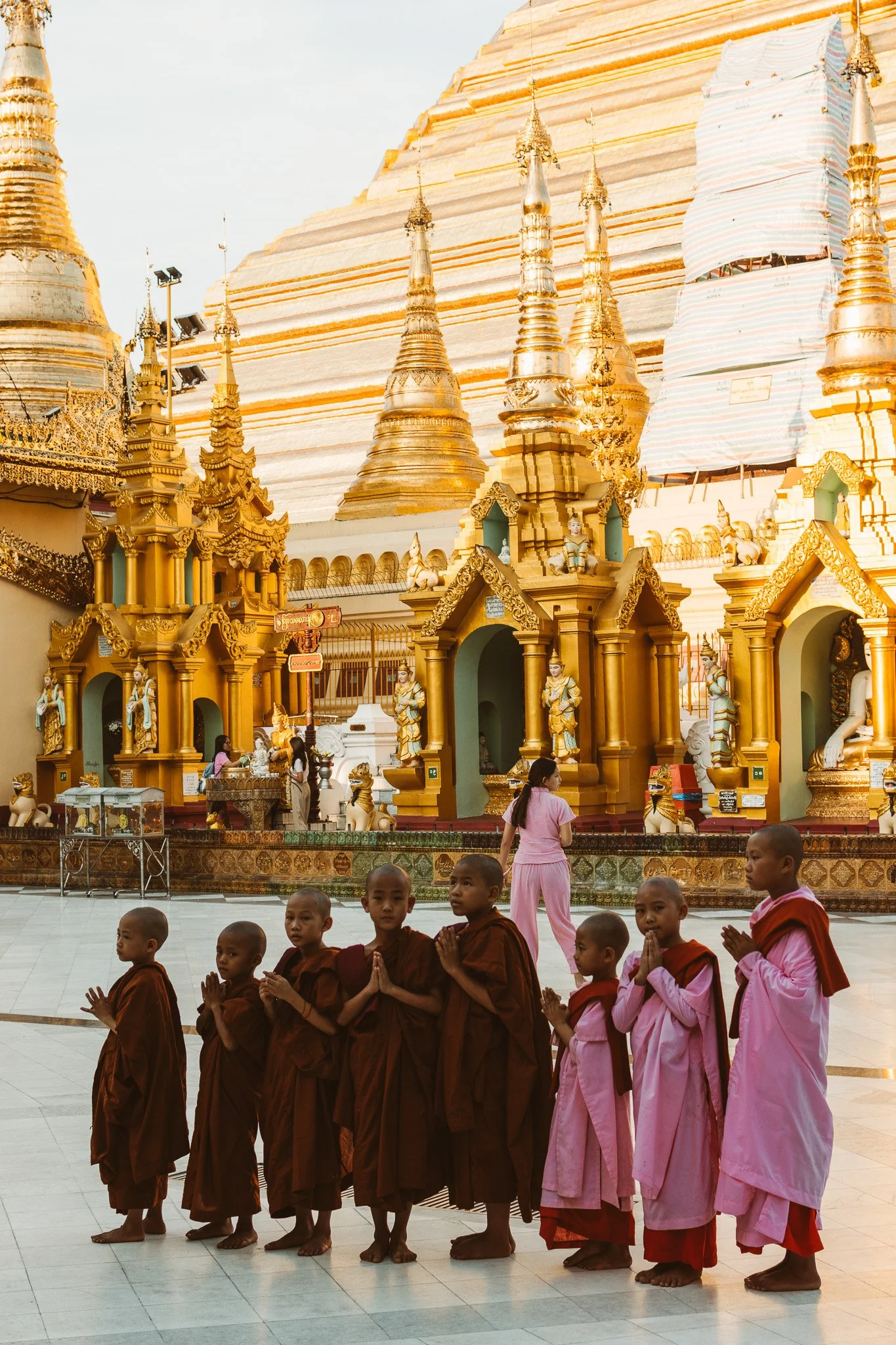
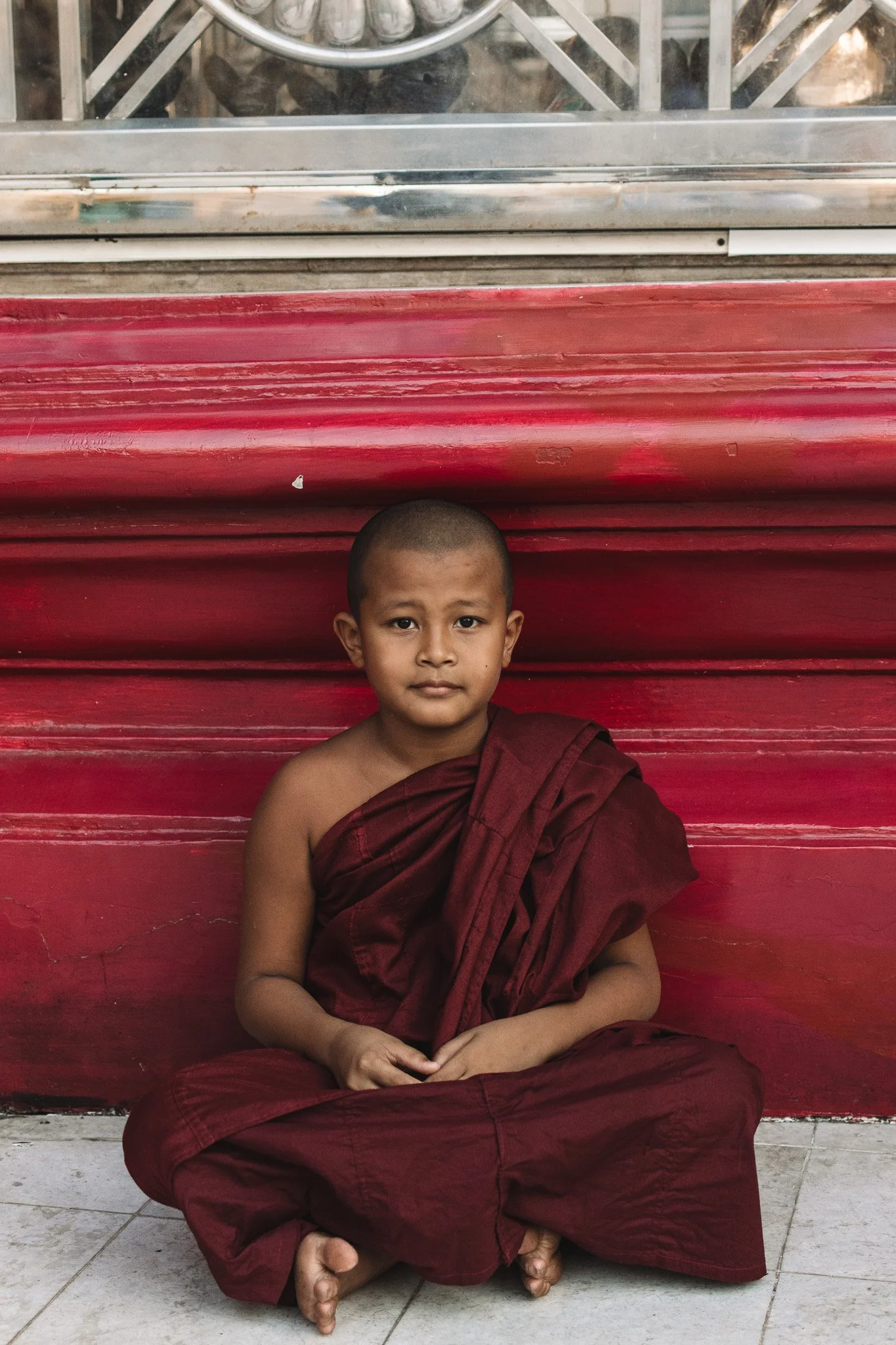
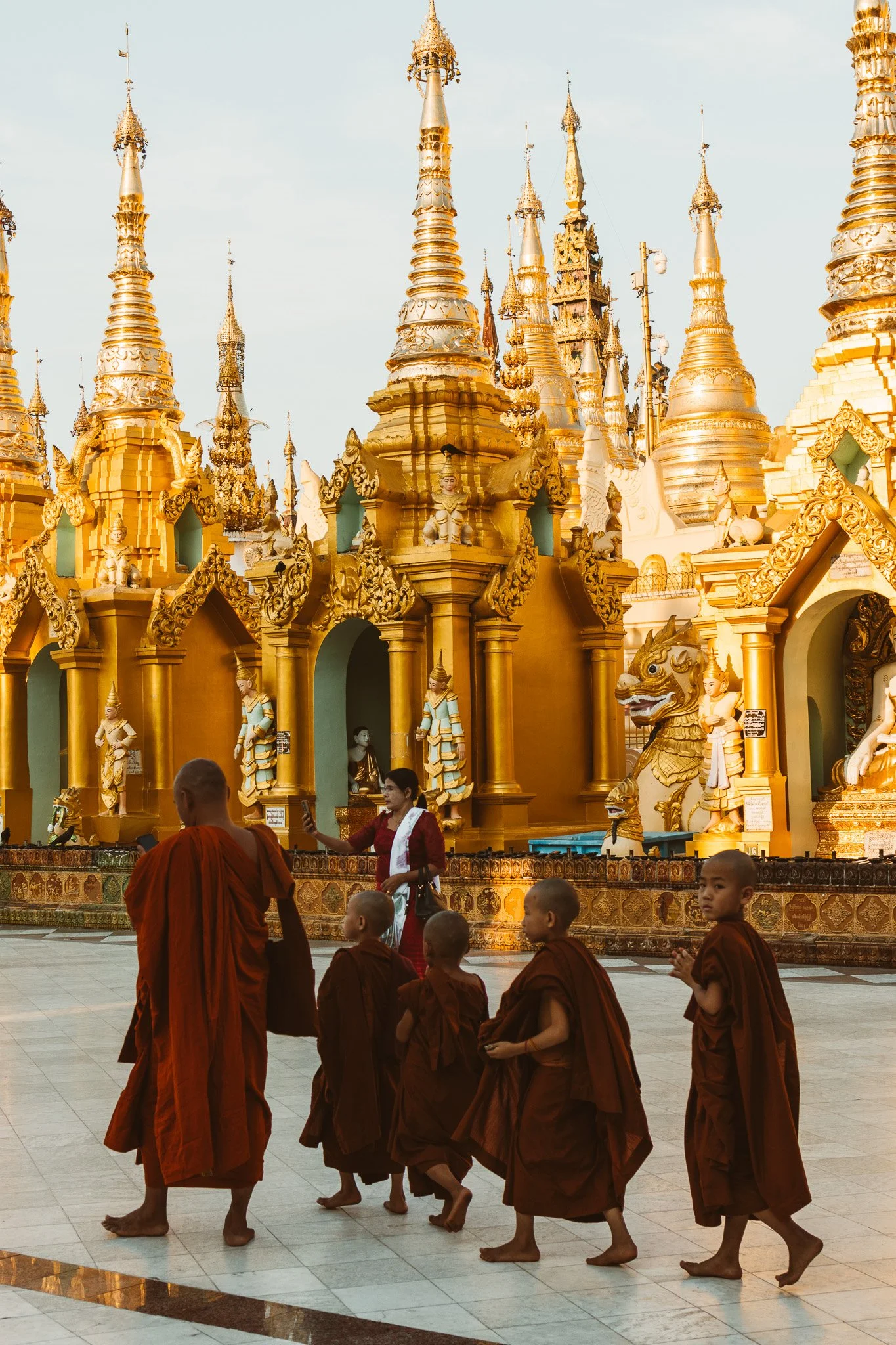
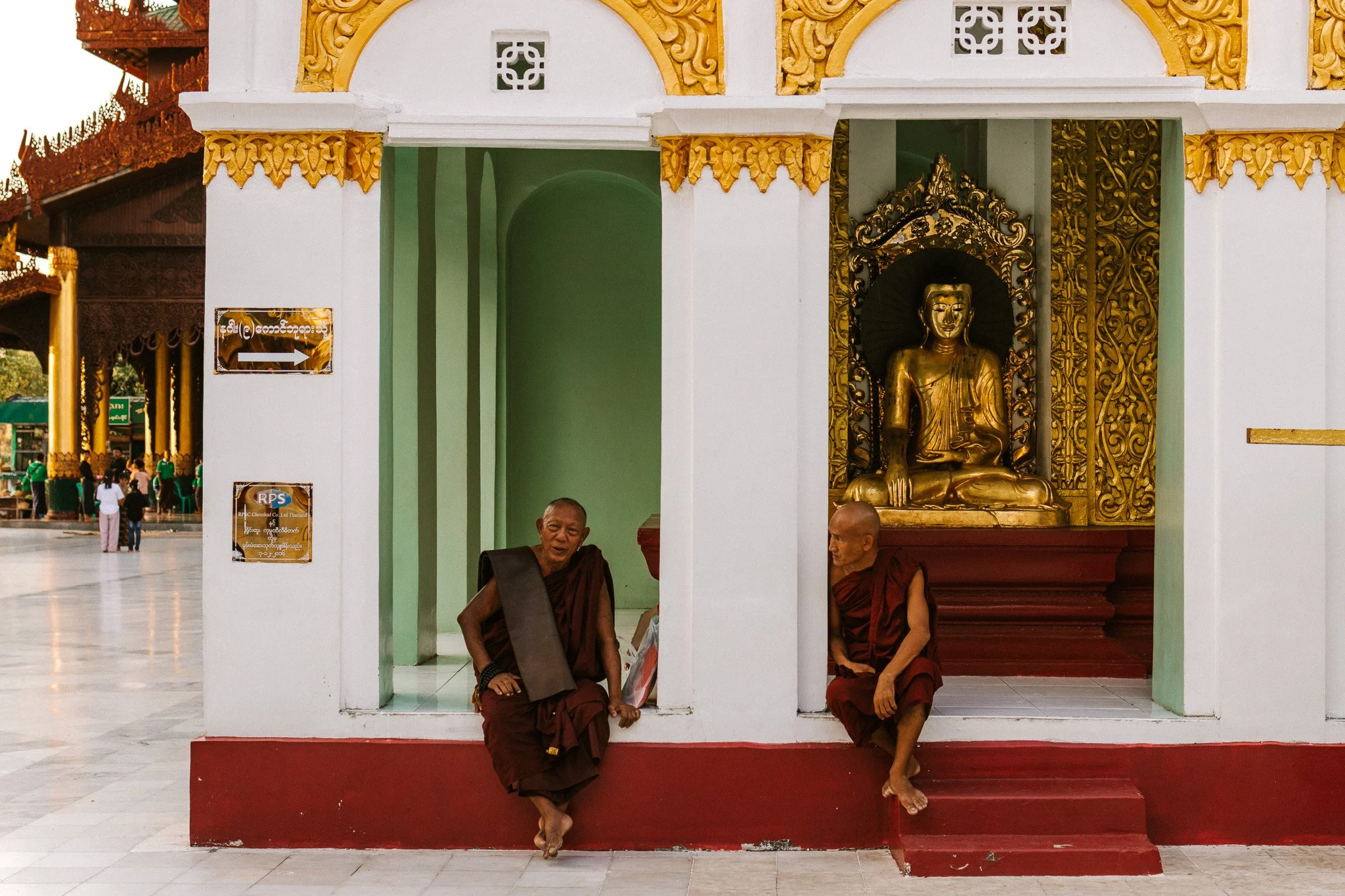
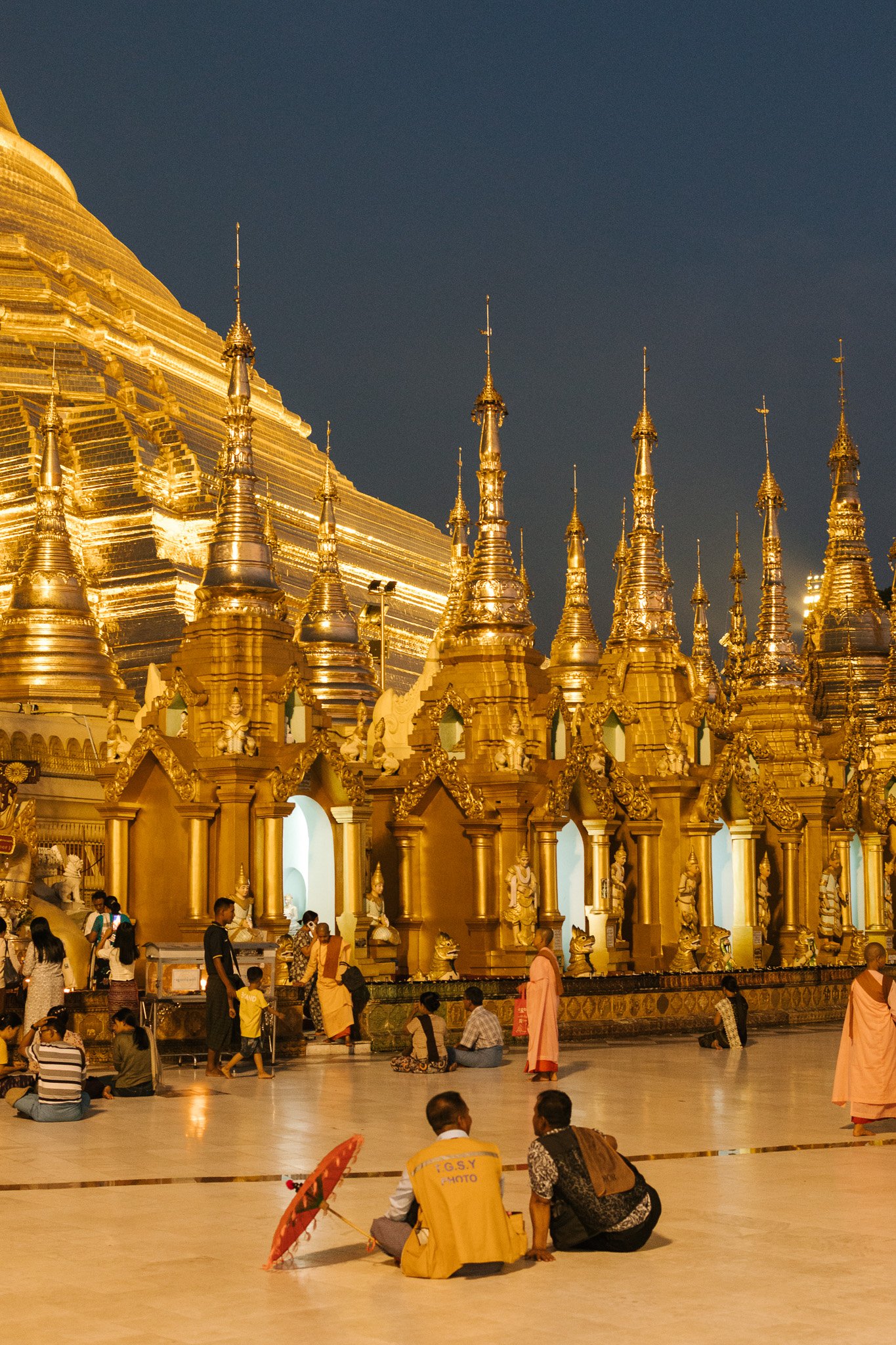
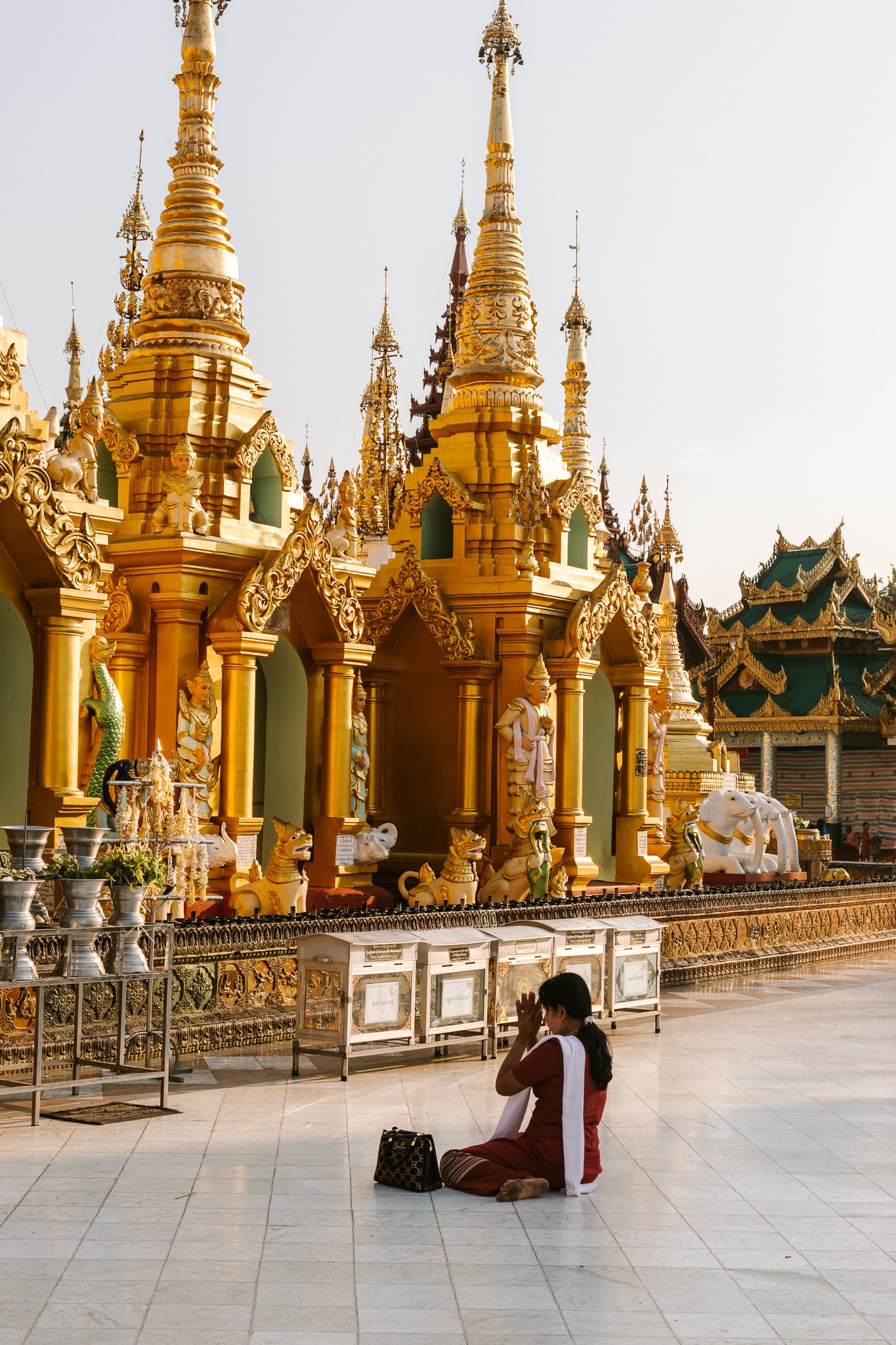
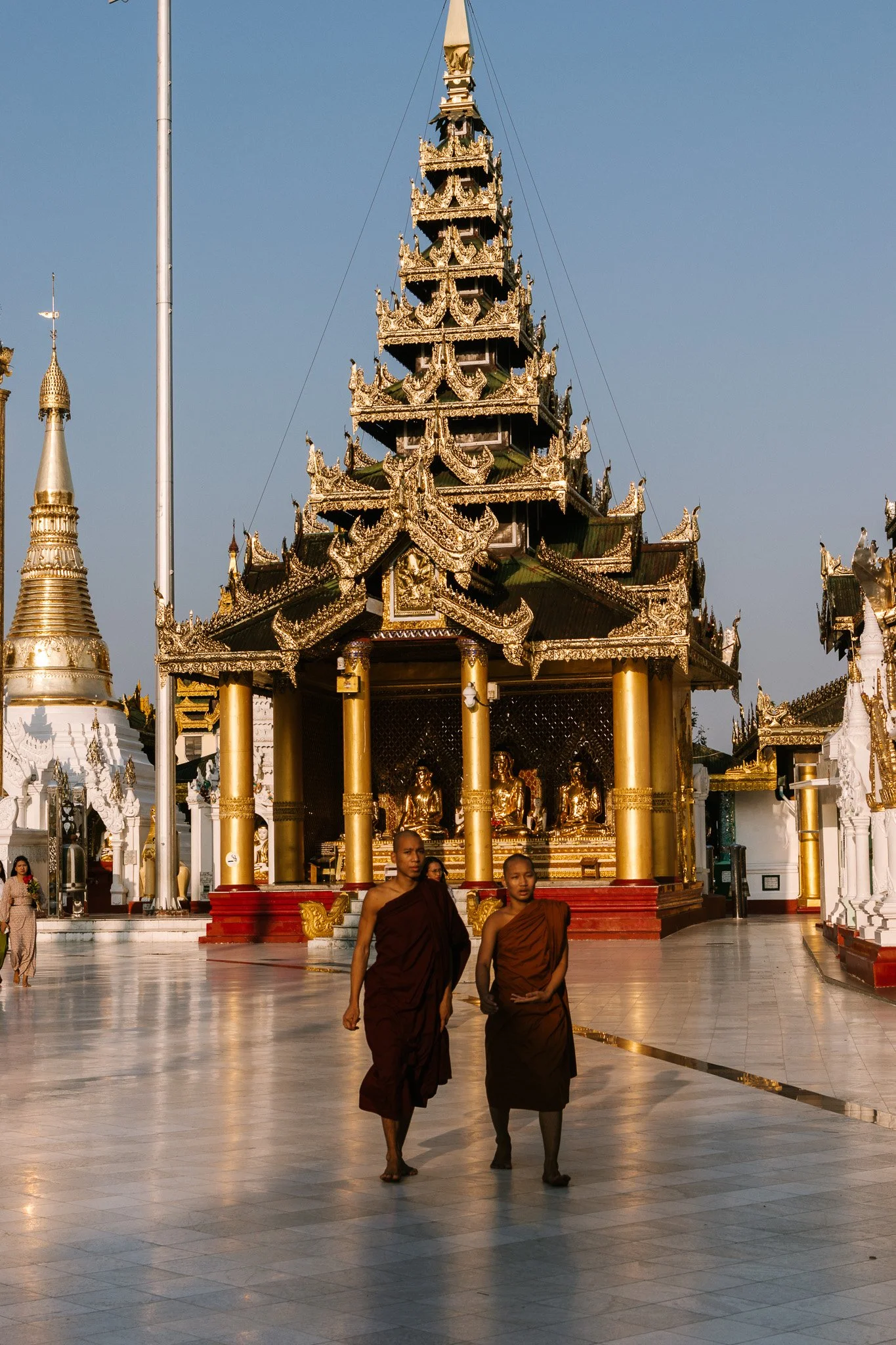
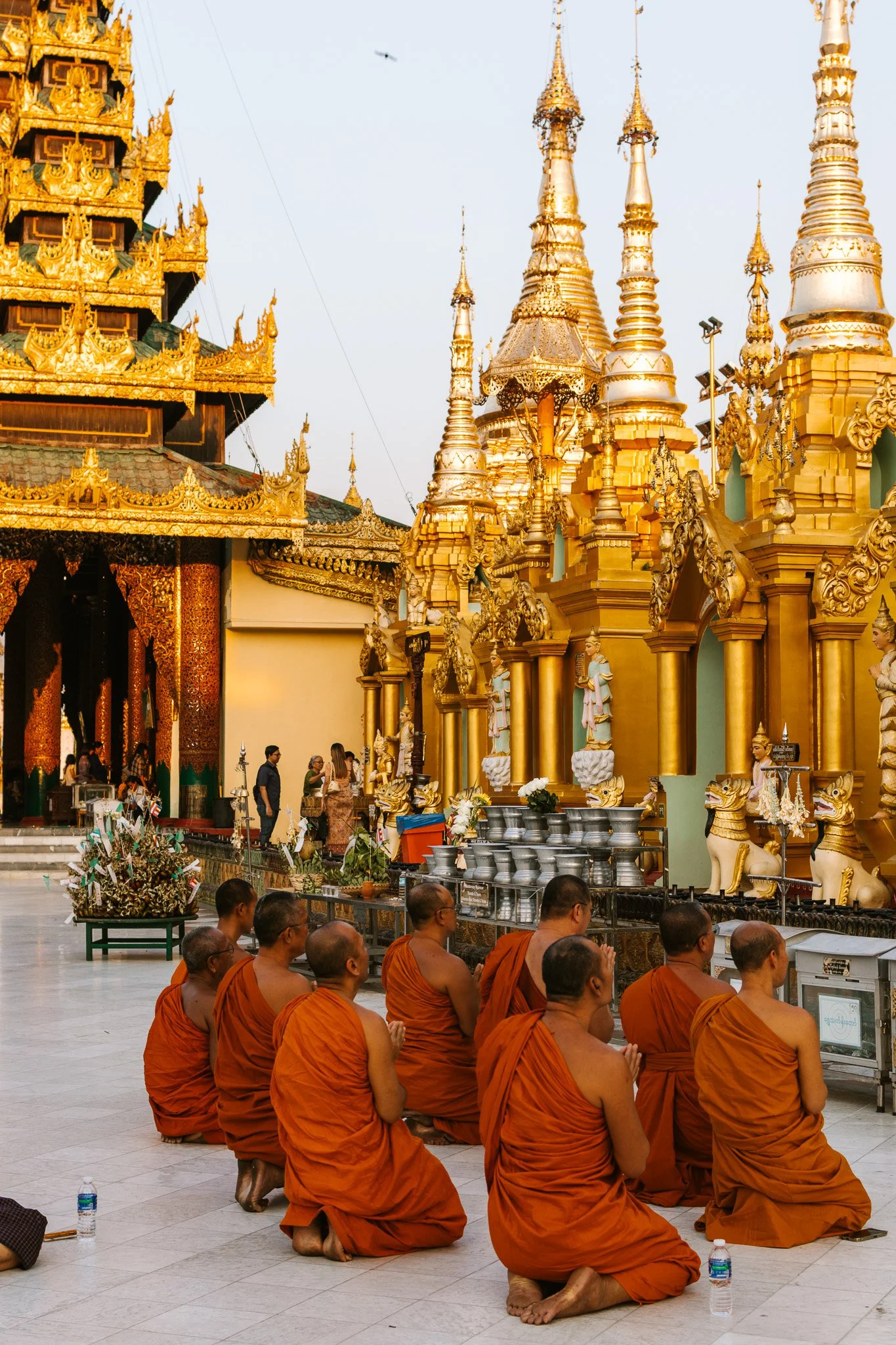
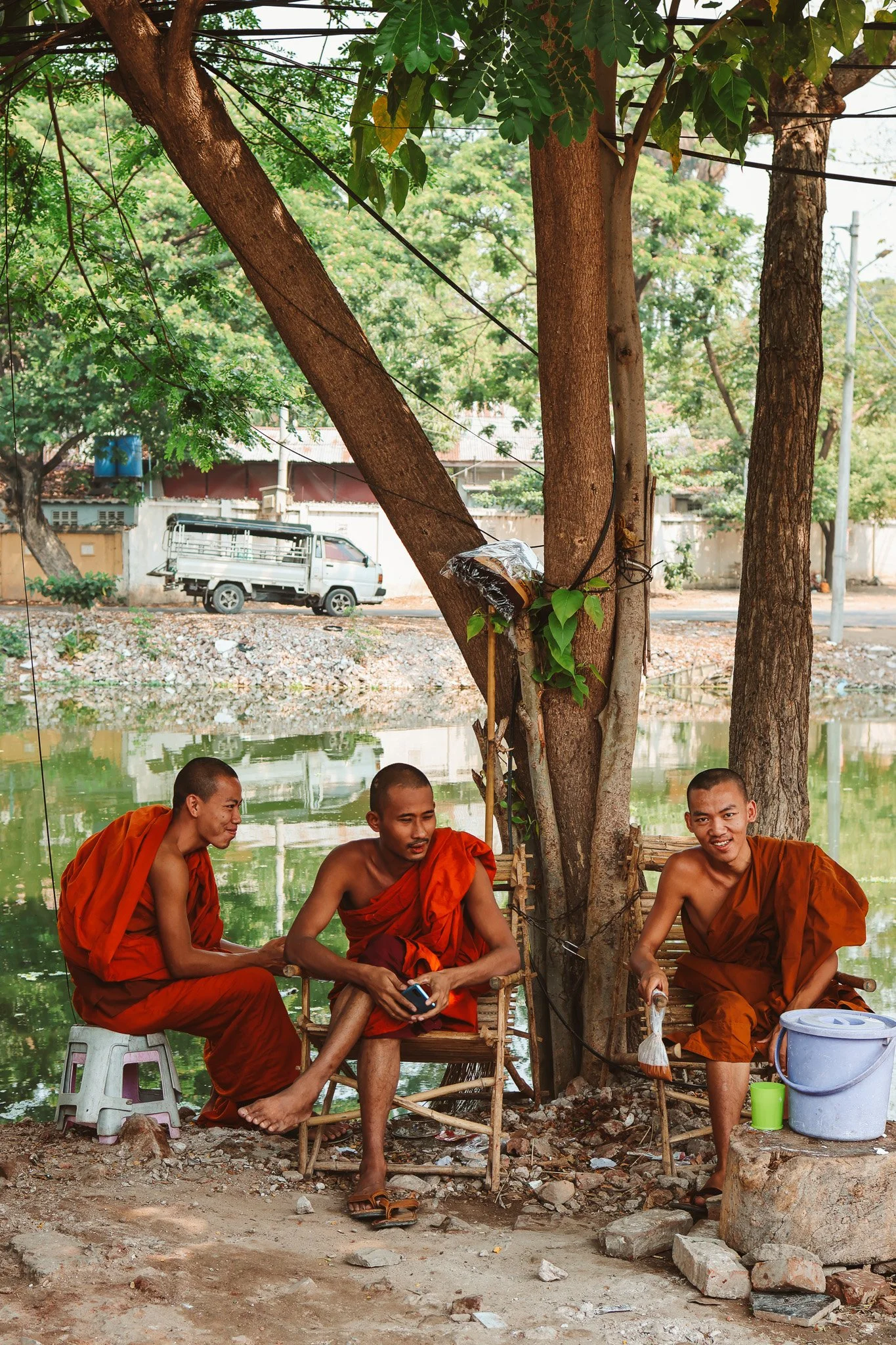
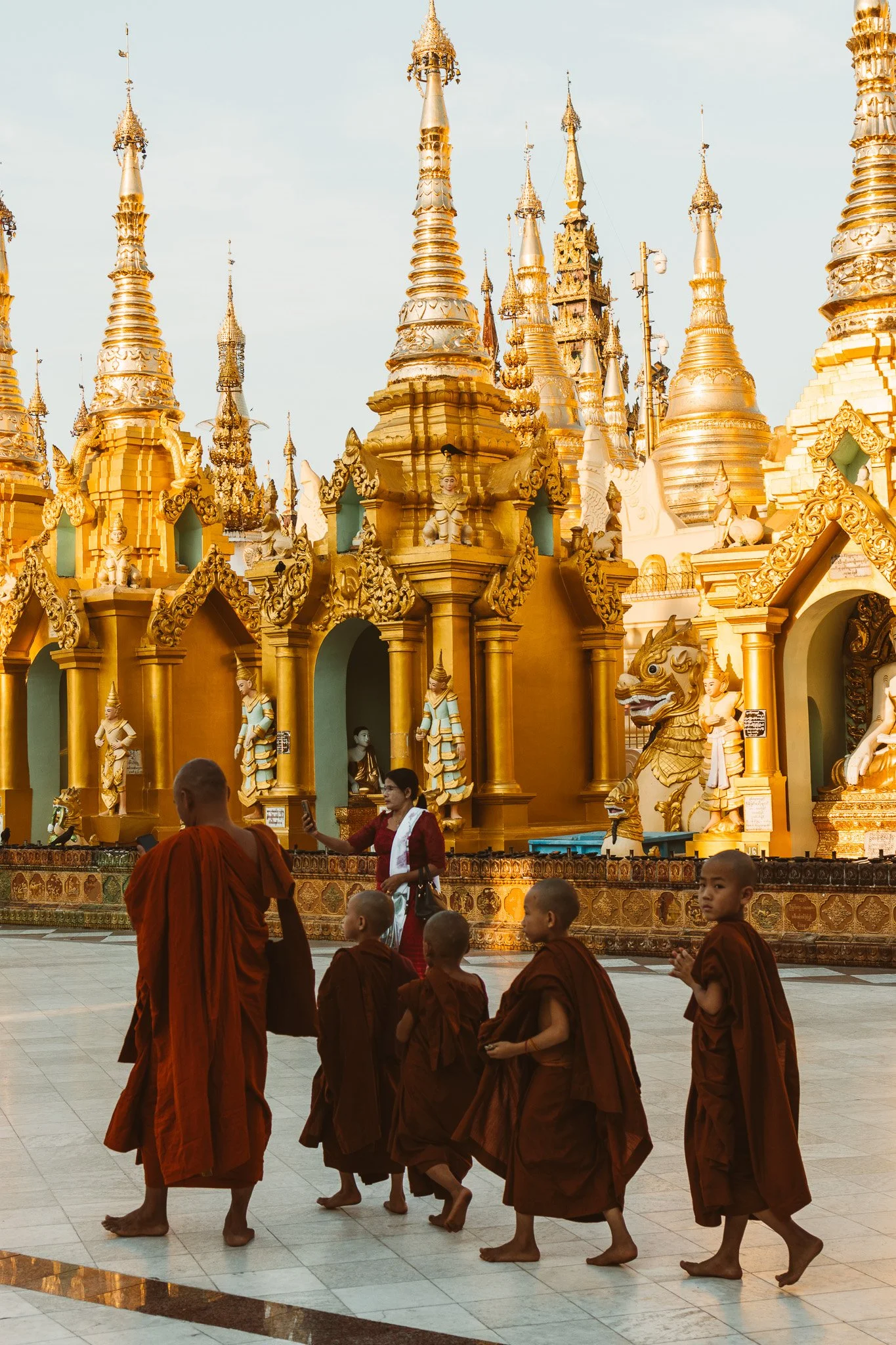
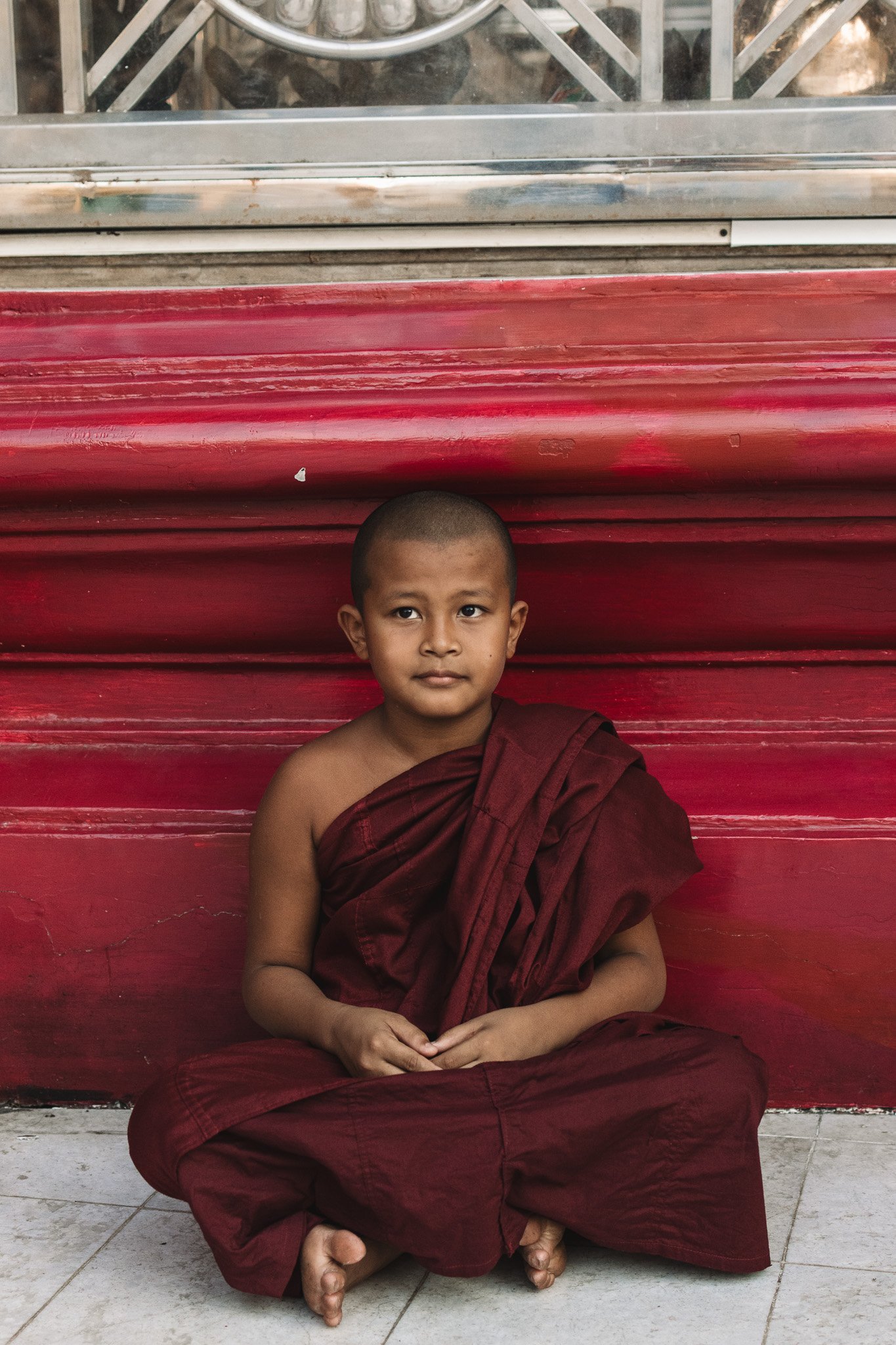
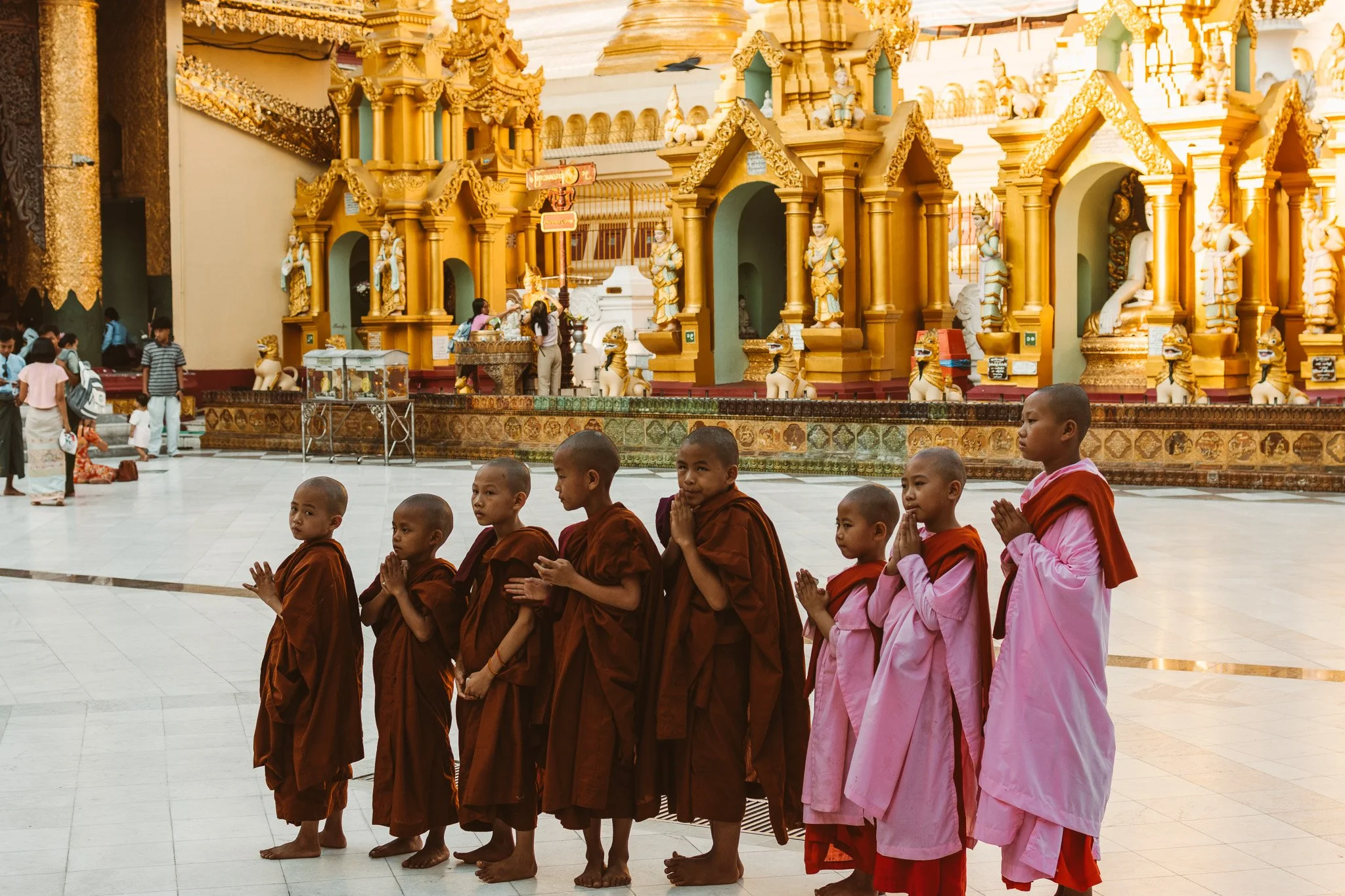
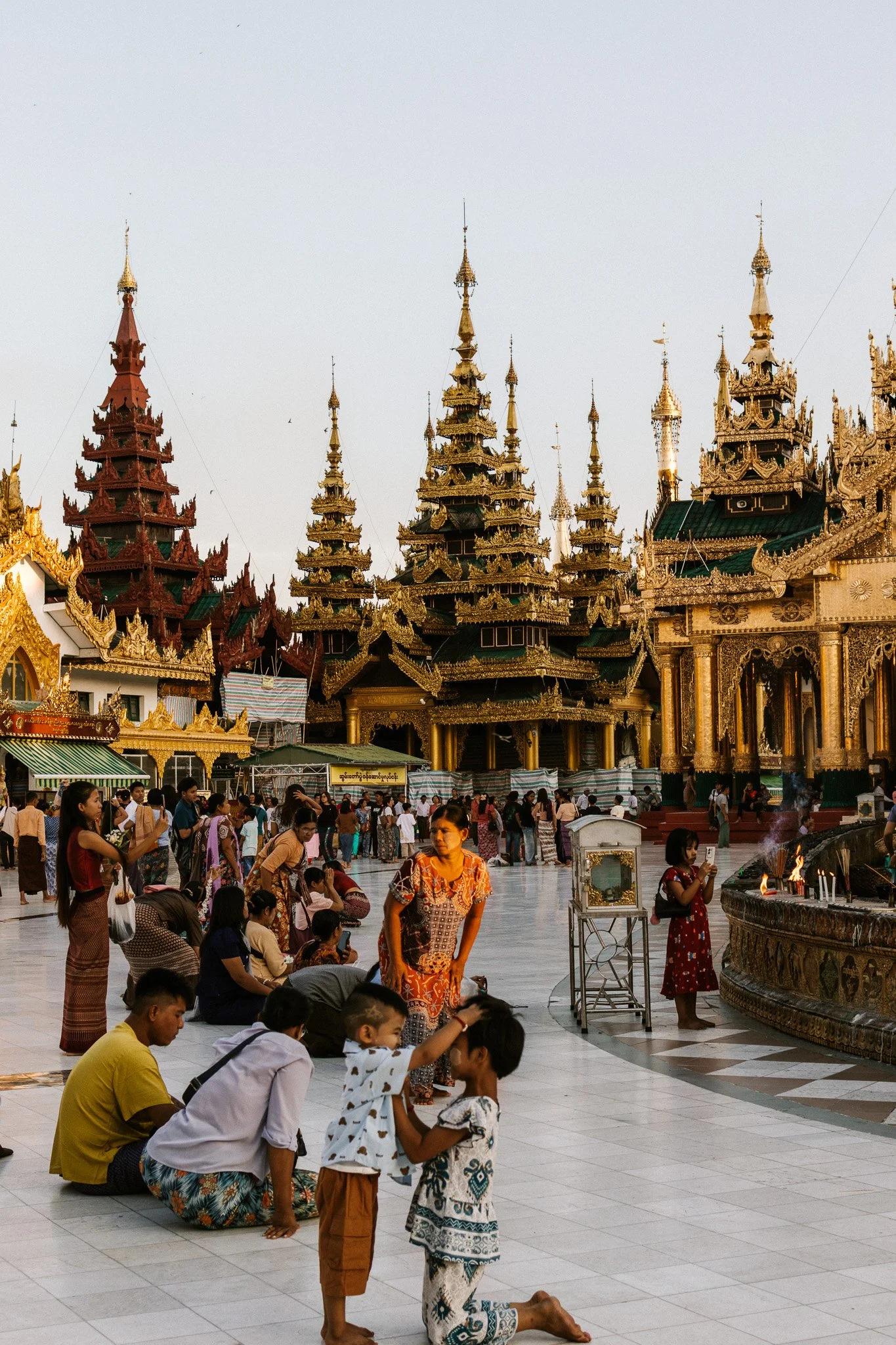
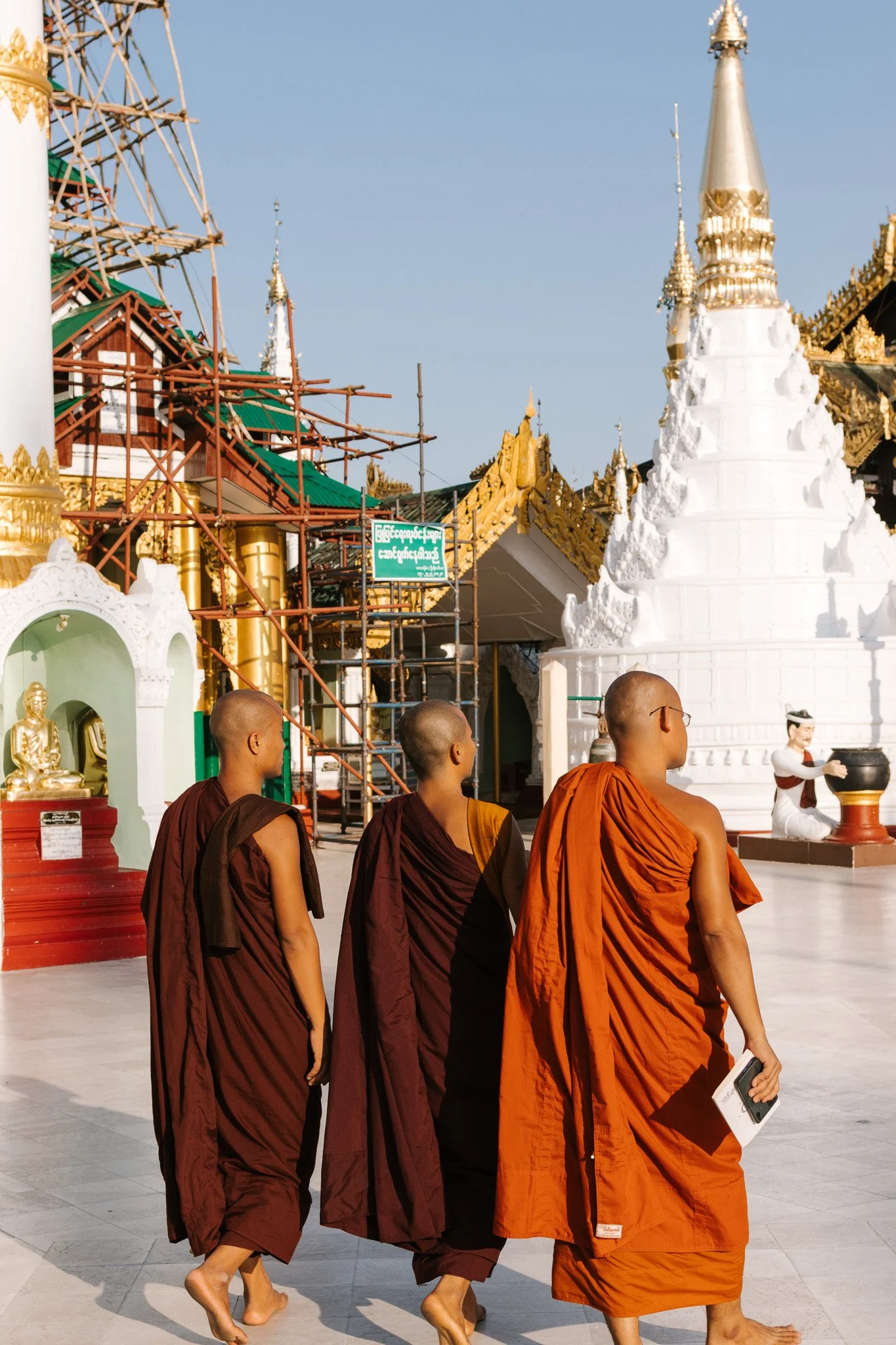
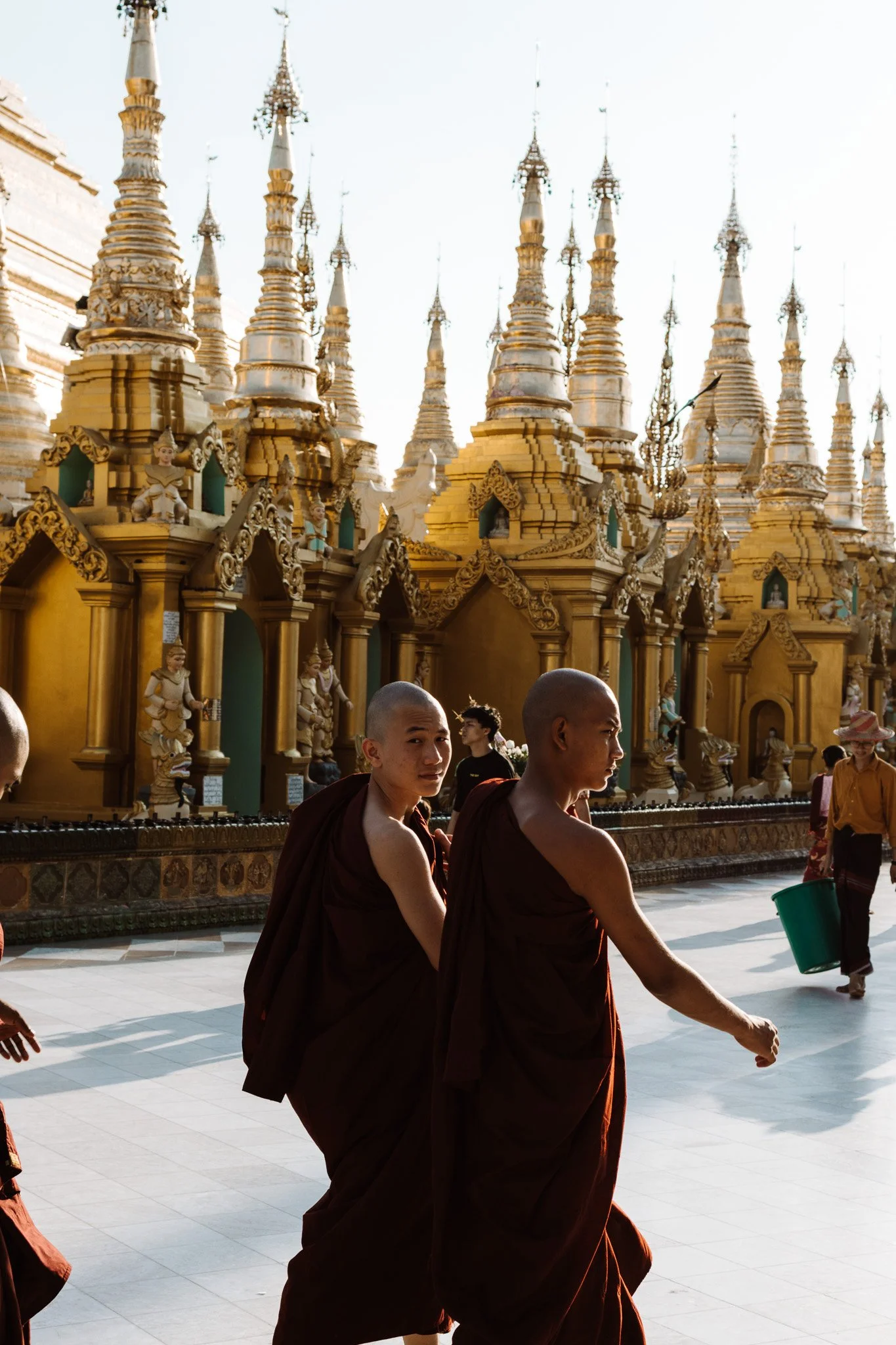
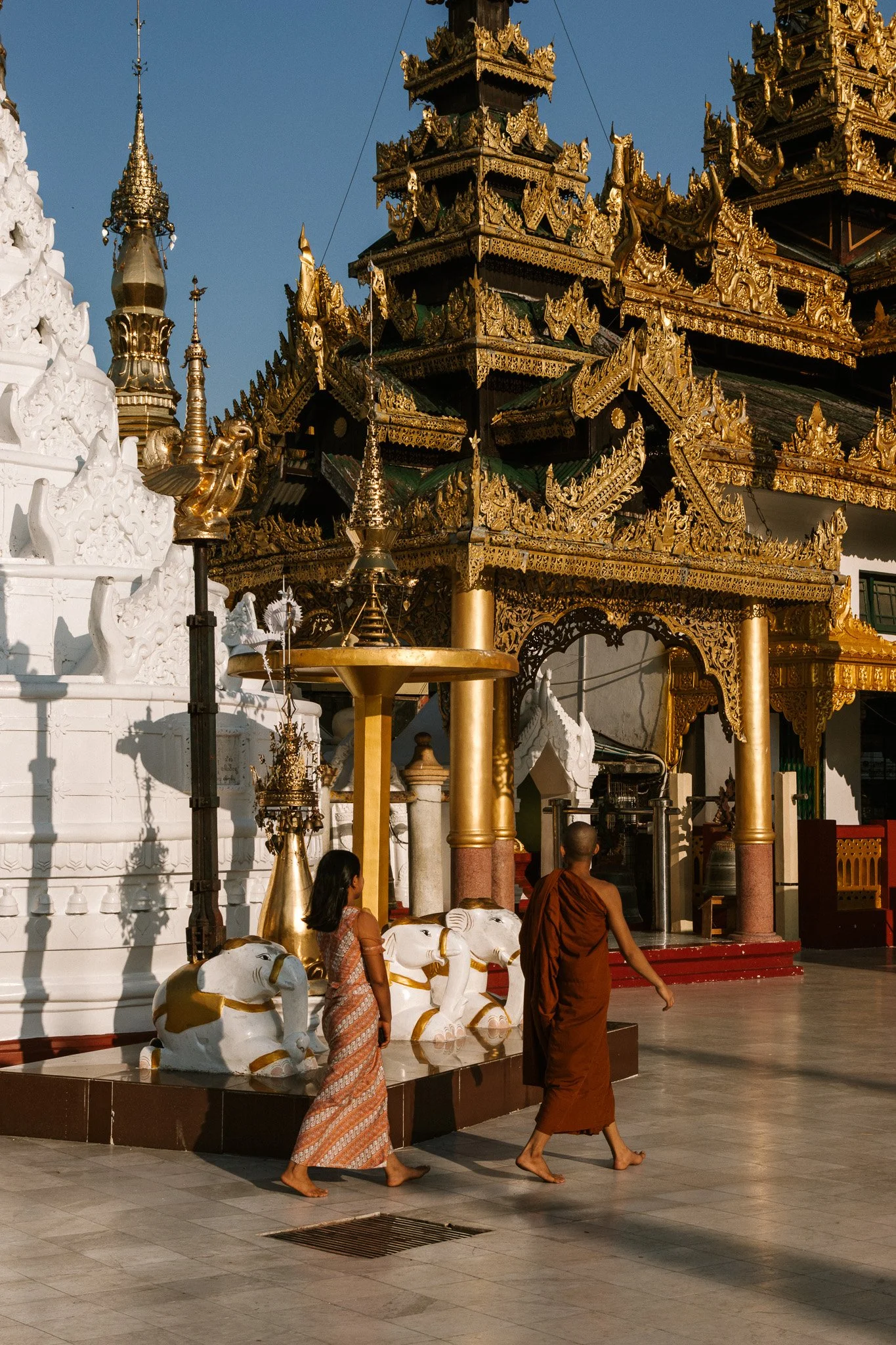
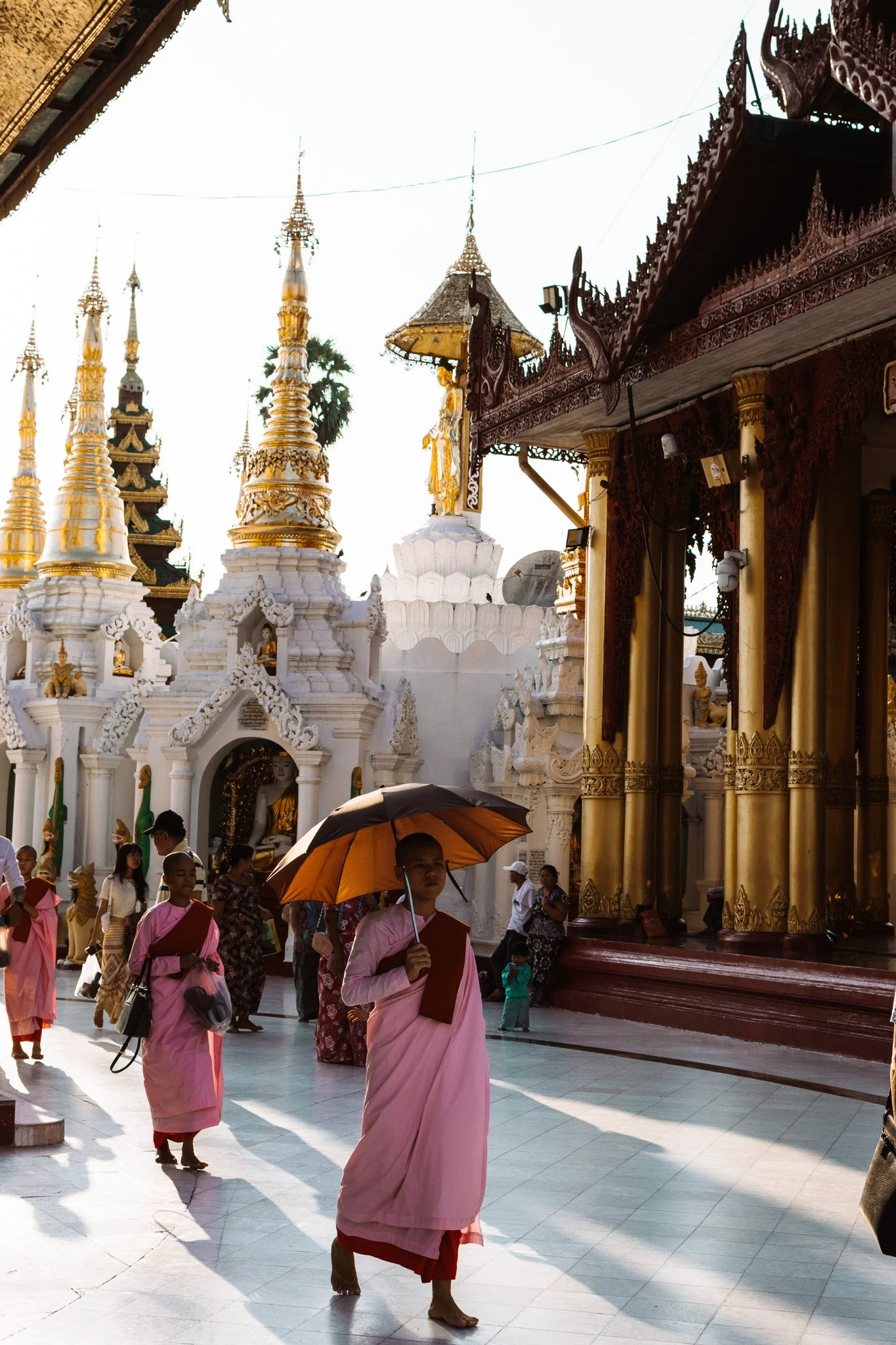
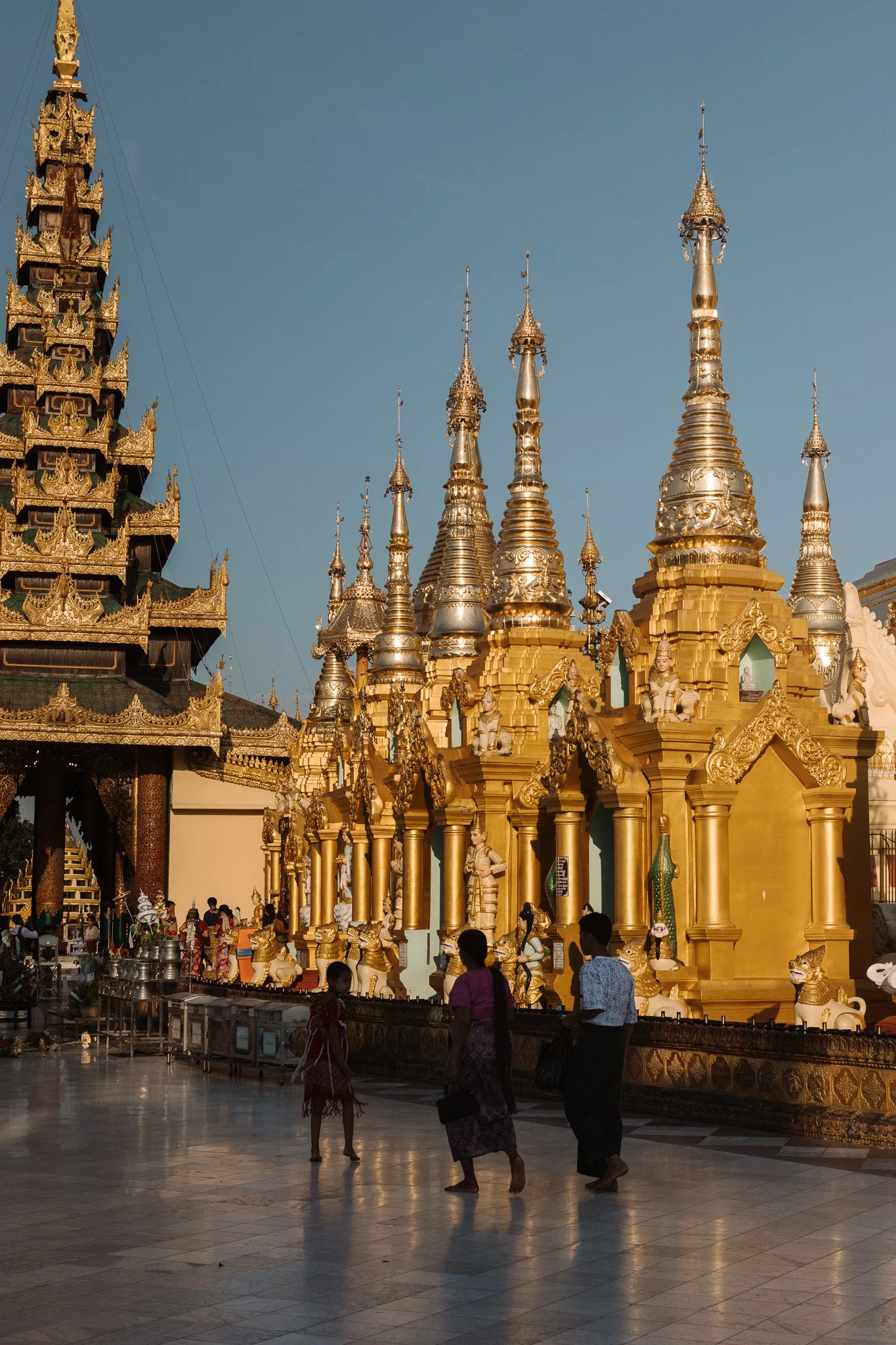
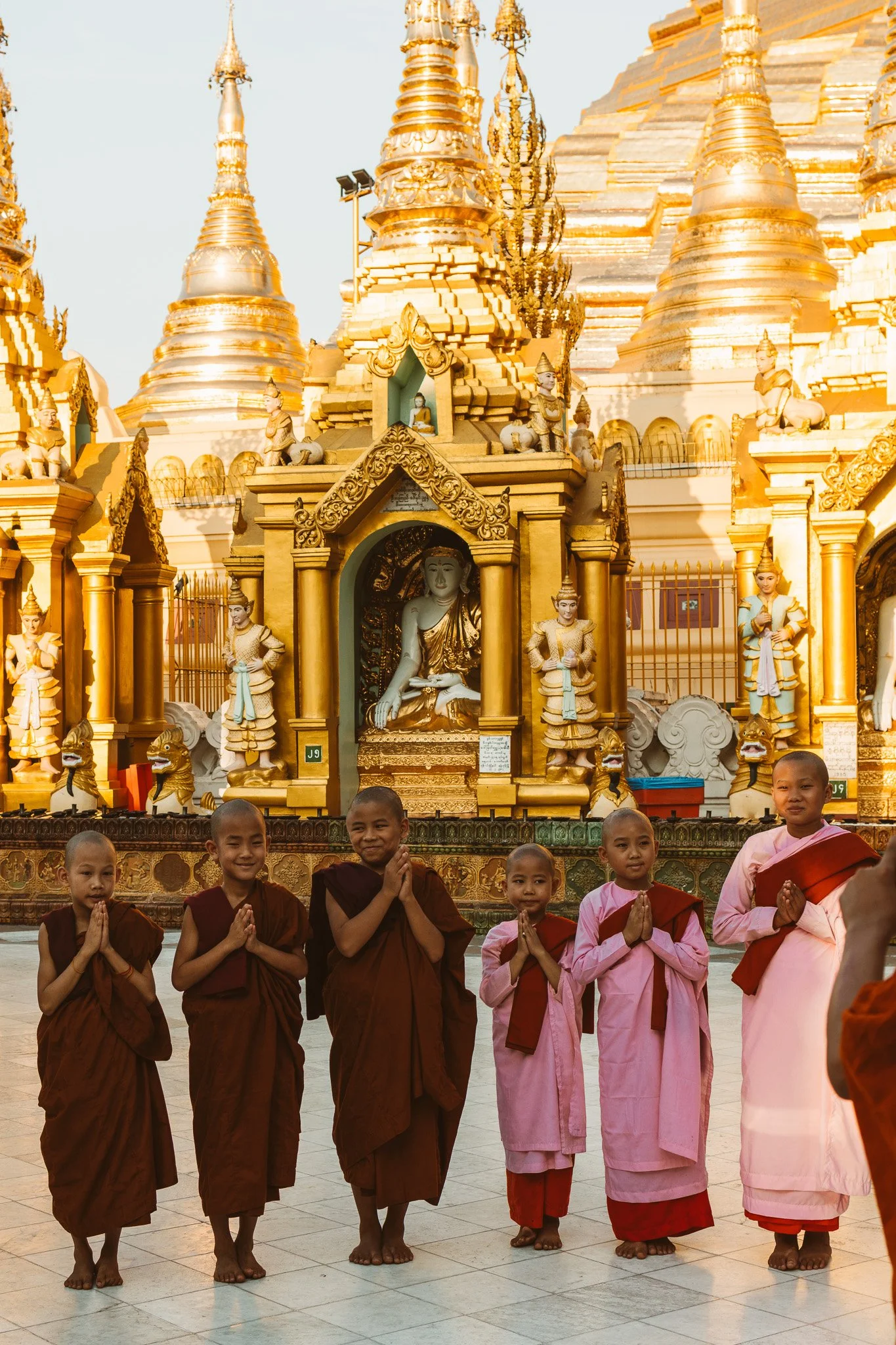
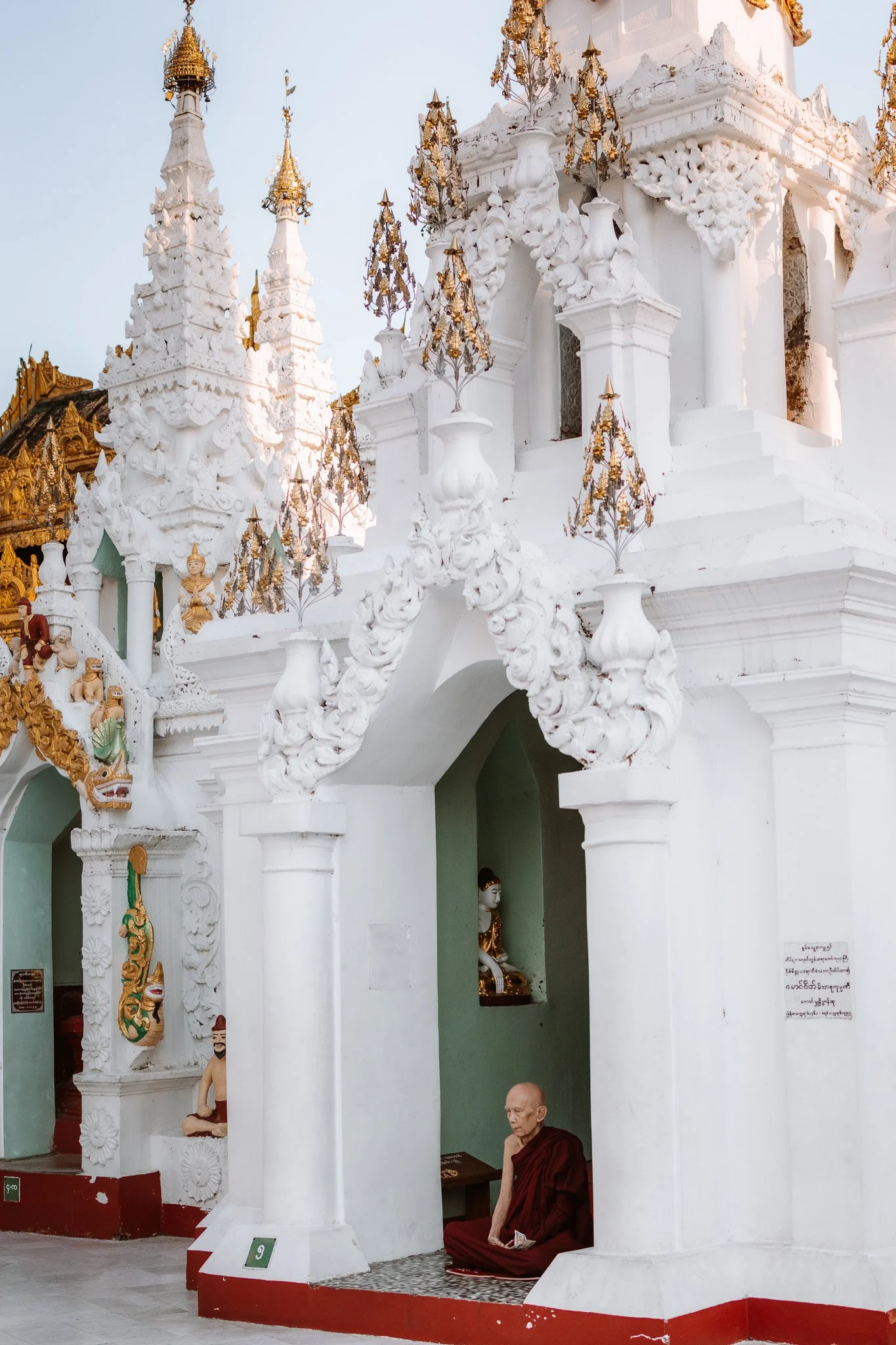
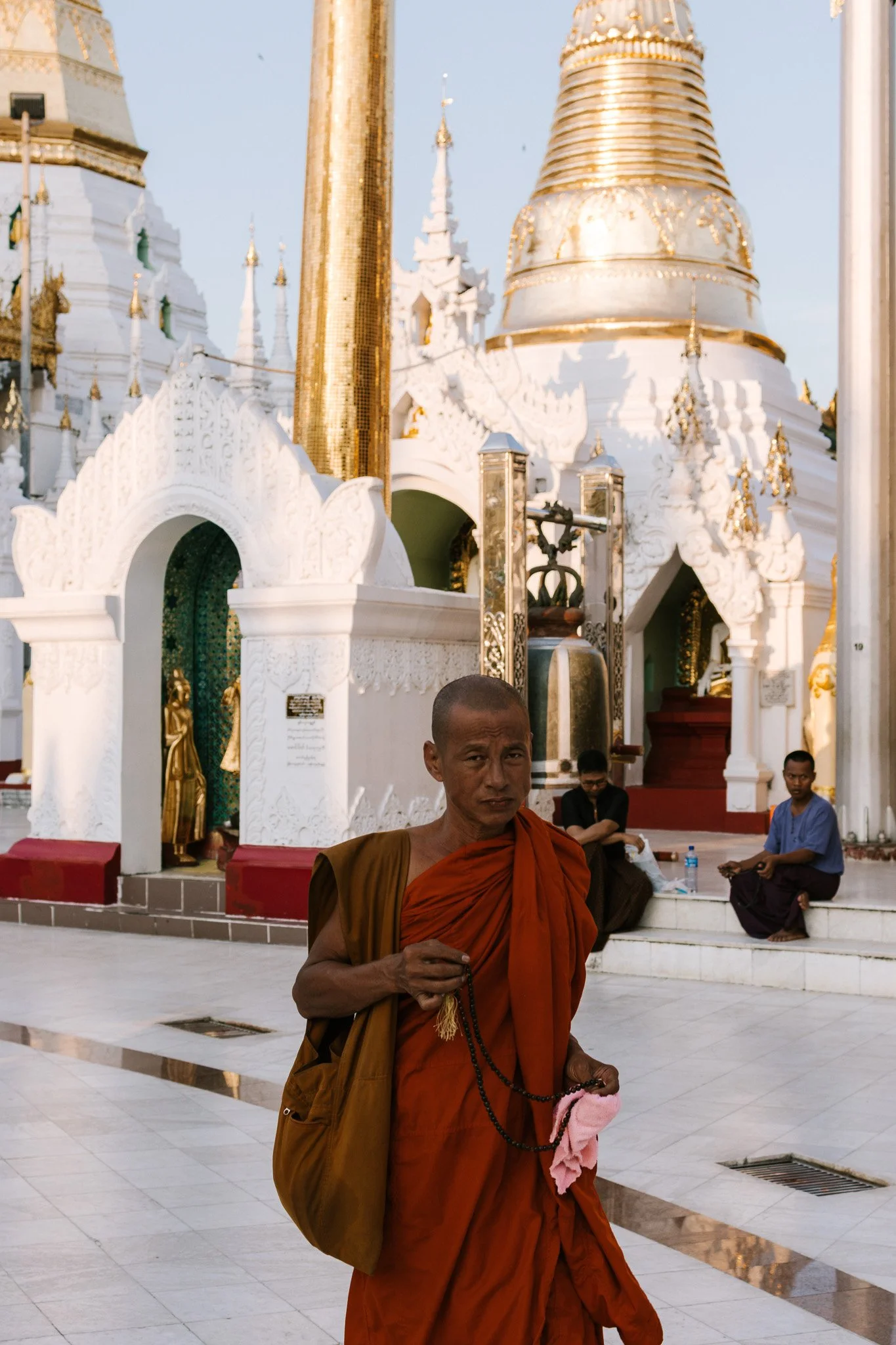
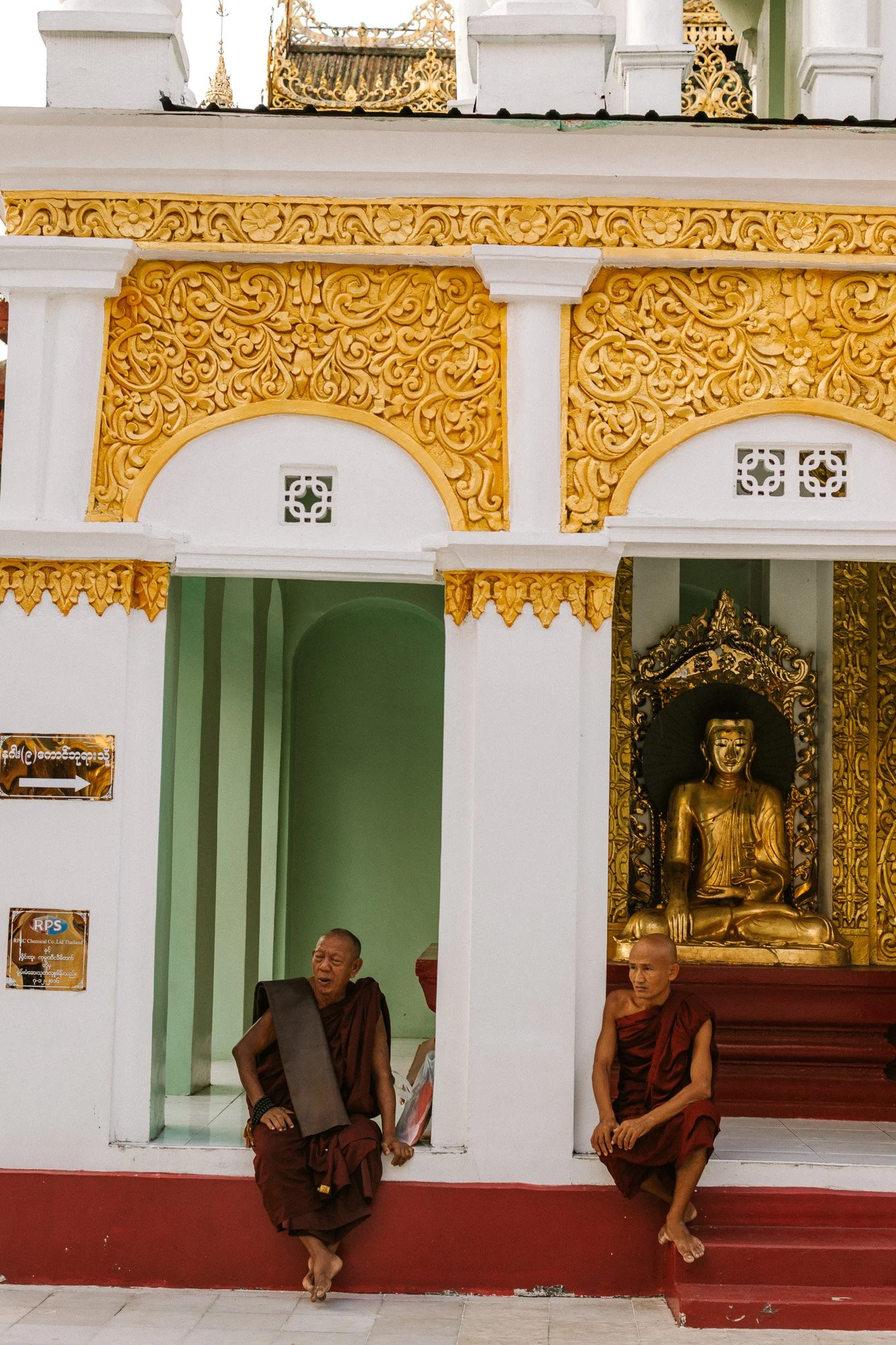
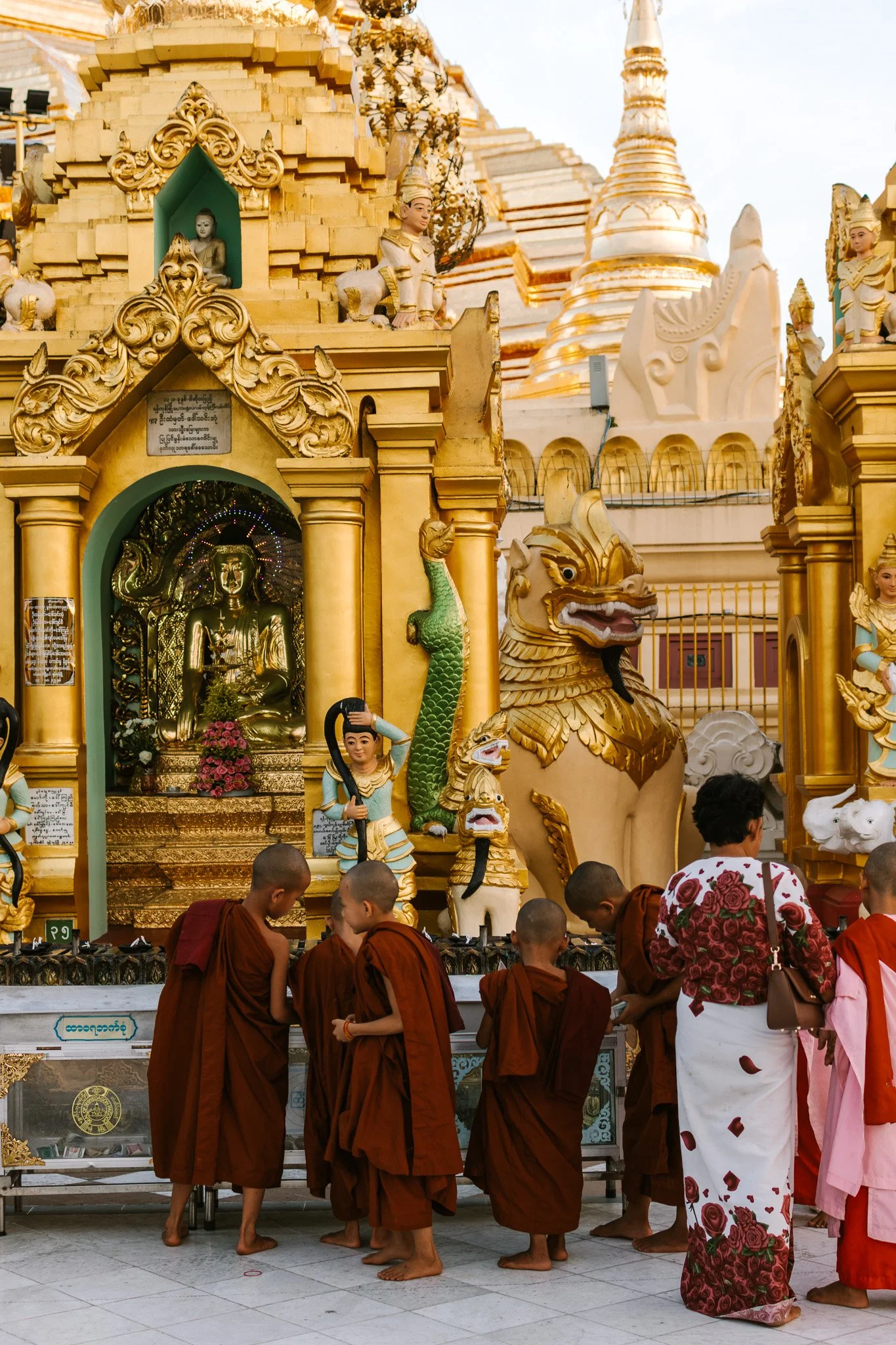
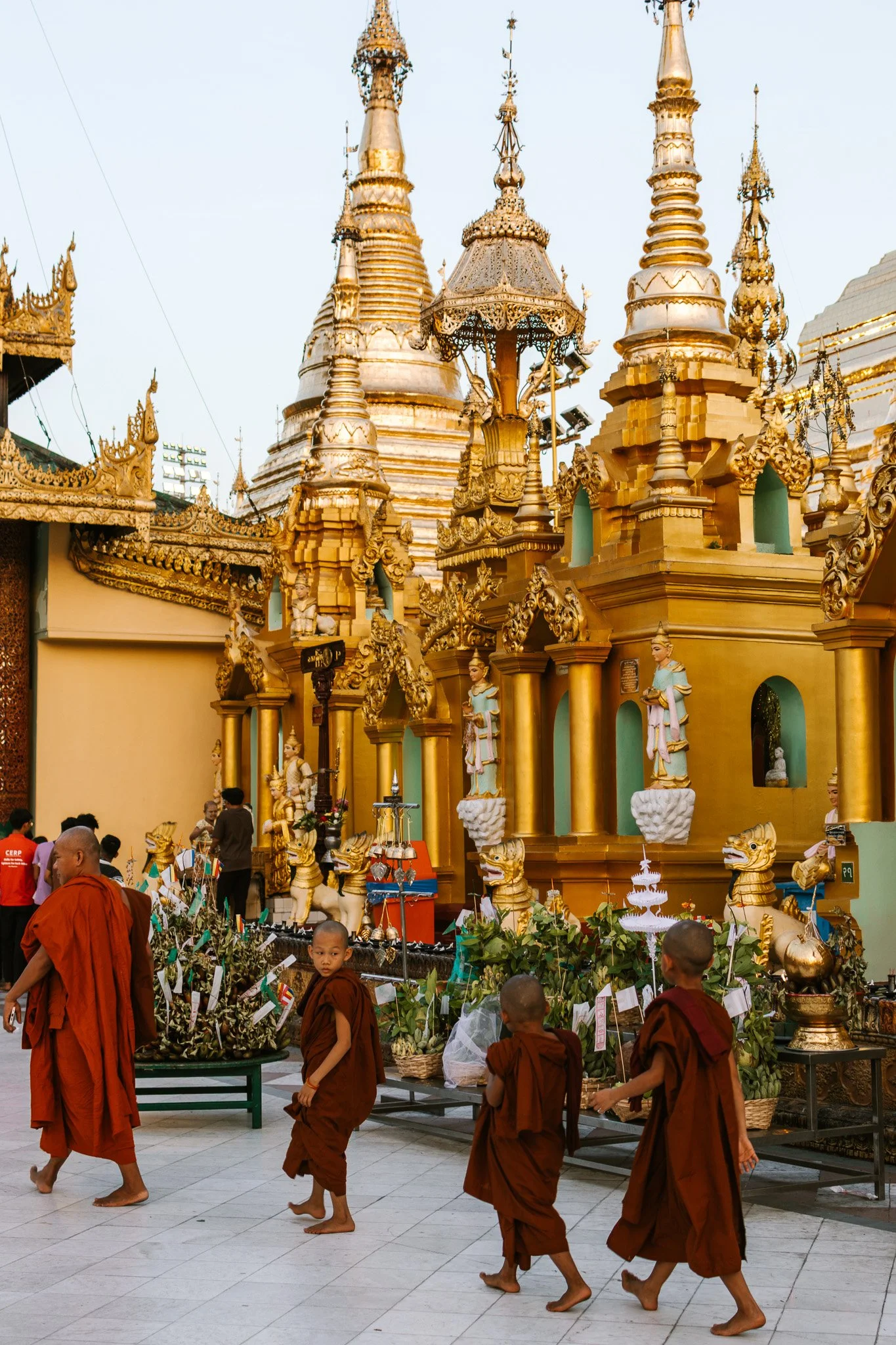
Shwedagon Pagoda (25k entry / $8 aud) - go at sunset. I loved this place so much I went twice and just sat with monks observing everyone. A very cool place.
Chaukhtagyi Buddha Temple - laying down buddha
Gemstones:
If you’re a buyer of gemstones, then you’ll already know that Myanmar has some of the best rubies in the world, known as the Burmese Ruby. You’ll see people frequently selling rubies, sapphires and spinel. On multiple occasions, I saw people sitting at coffee shops with rubies covering the whole table. If you intend on purchasing, then make that decision before you enter, as you’ll need to get a lot of cash out for it. Whilst it’s unlikely to buy a fake, it is possible, try and find someone trustworthy. Also, at Scott Market a lot of sellers will say it’s unheated, when really it has been heated.
I have a very good contact, if you’re in Yangon and want the contact, DM me.
The stones should be set in jewellery for them to leave the country.
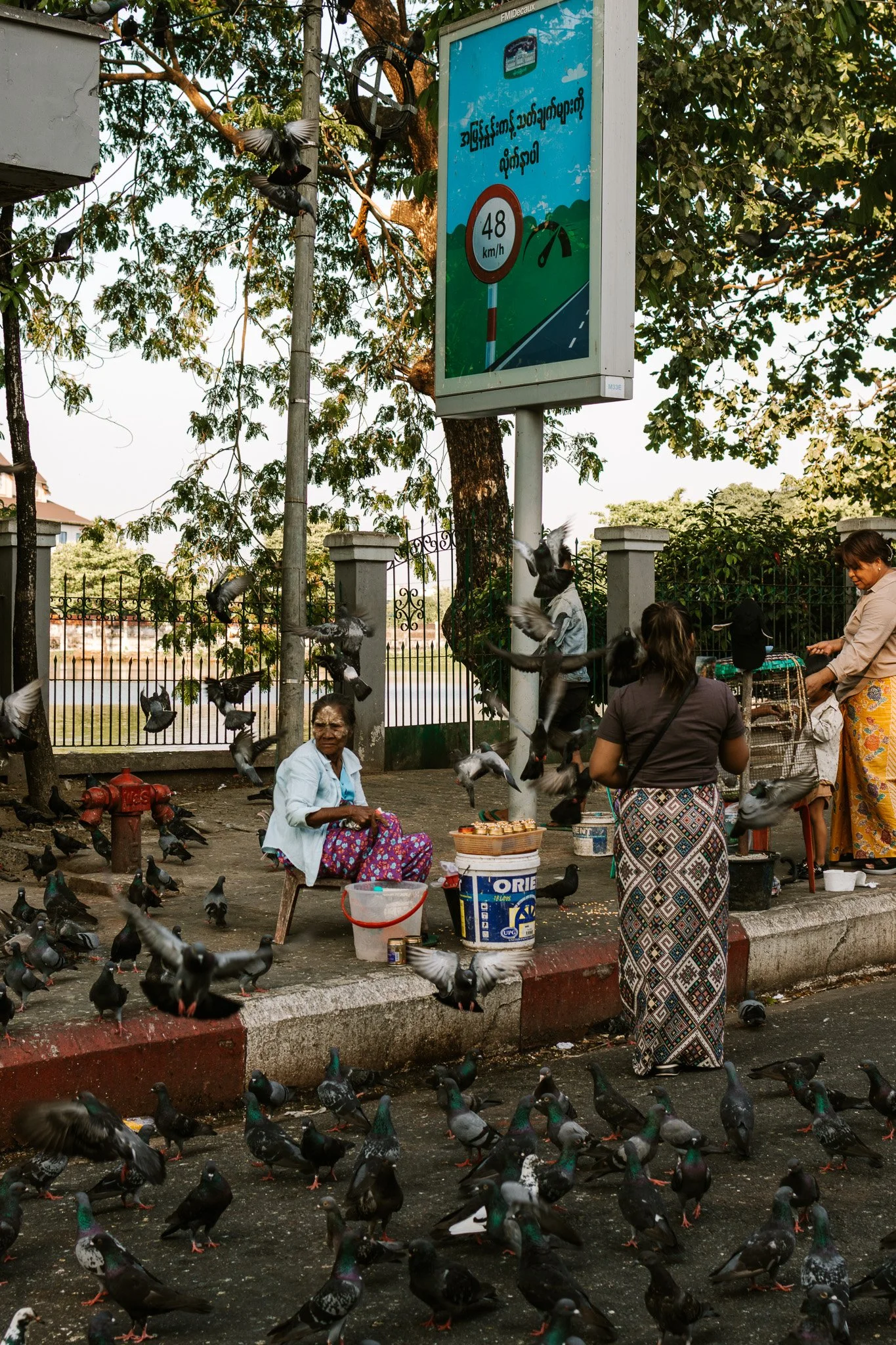
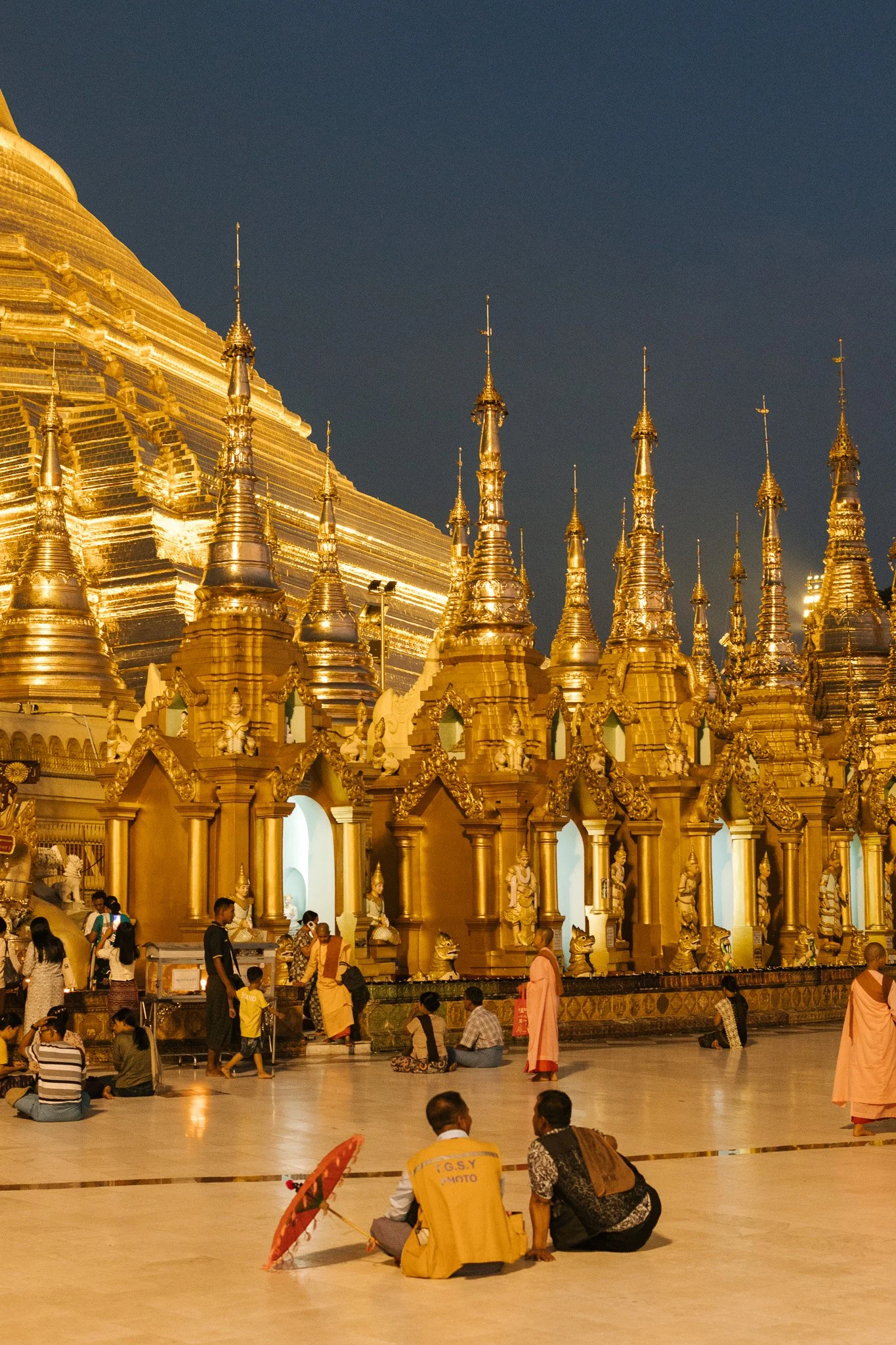
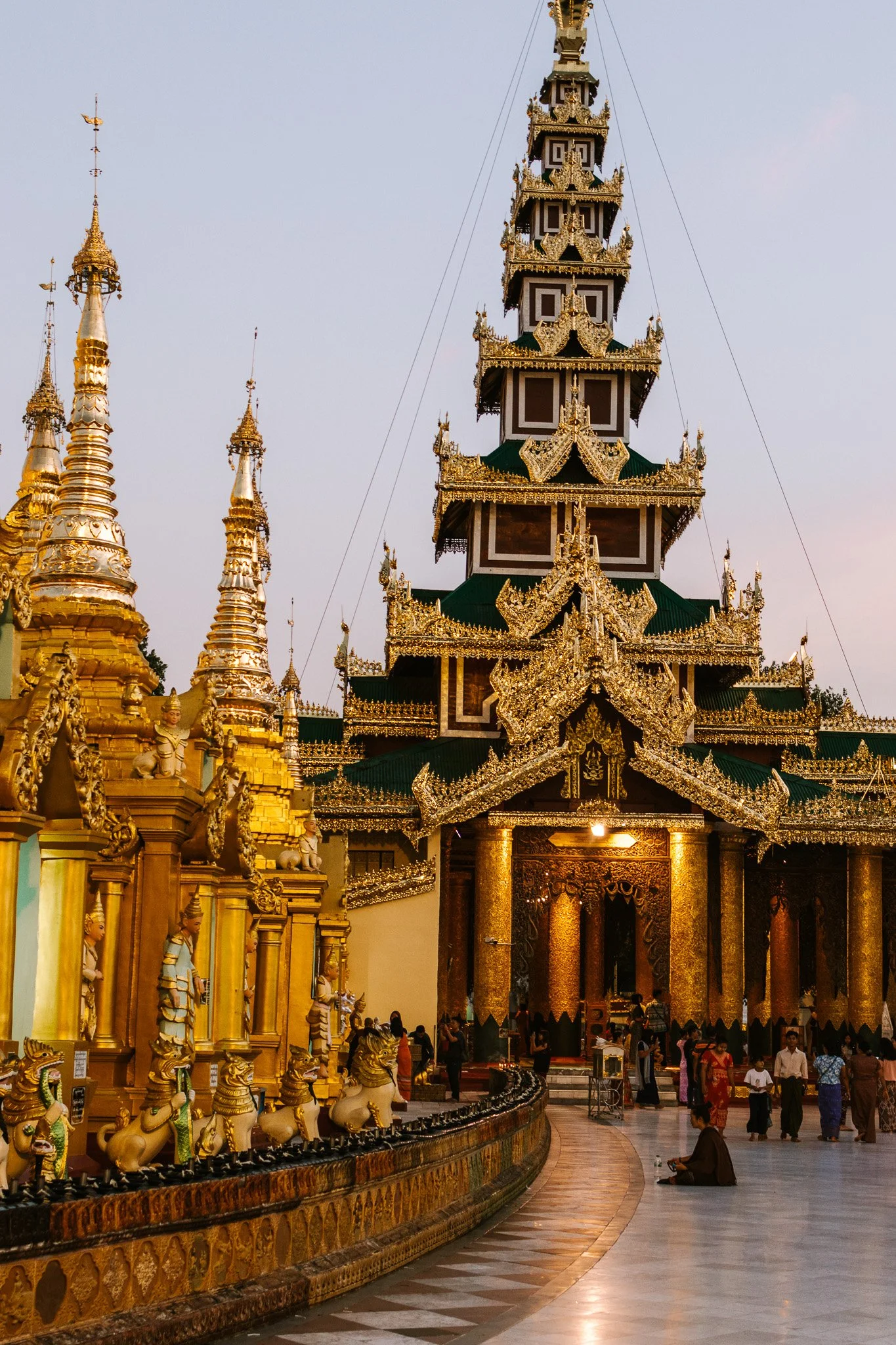
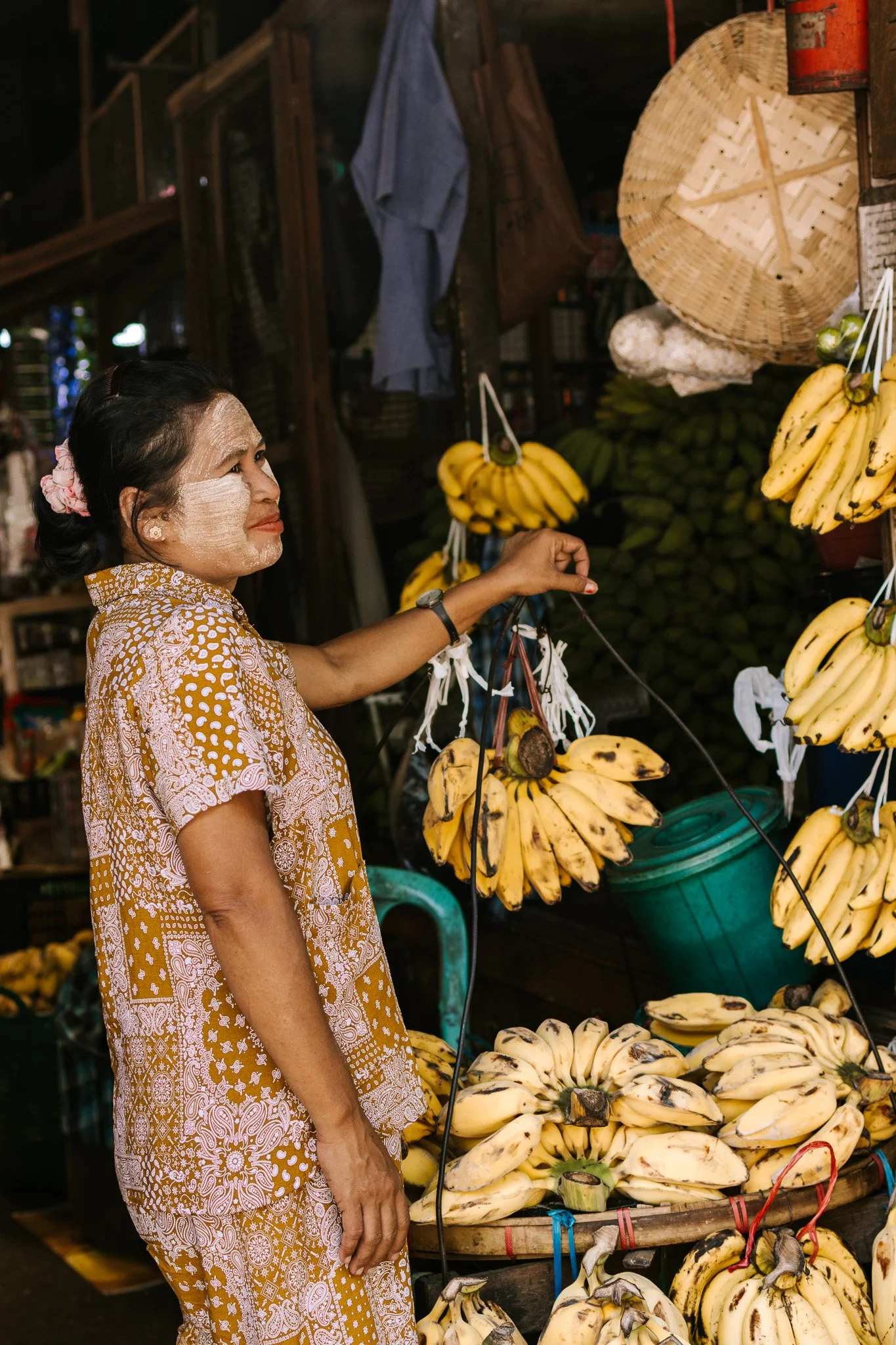
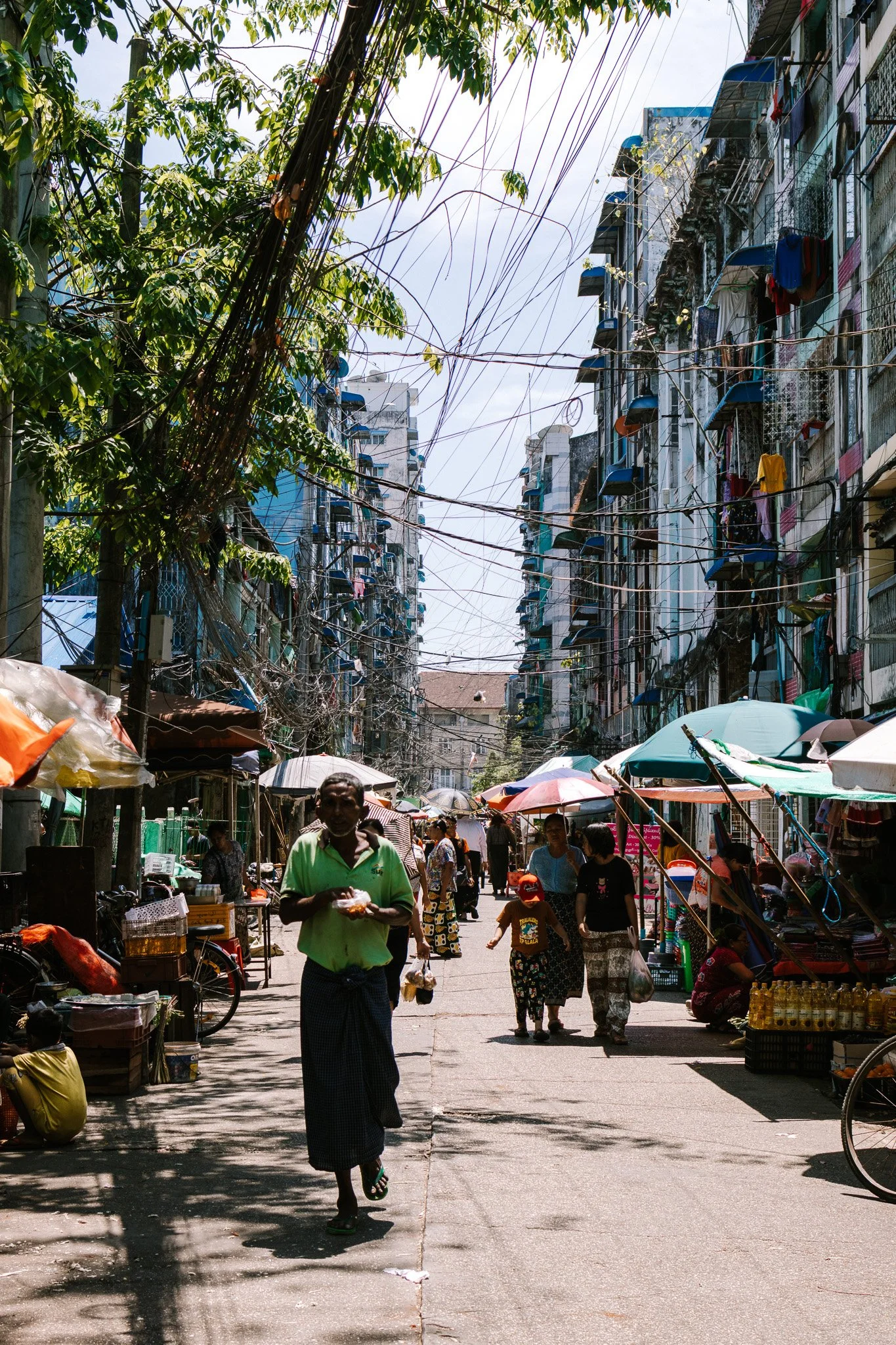
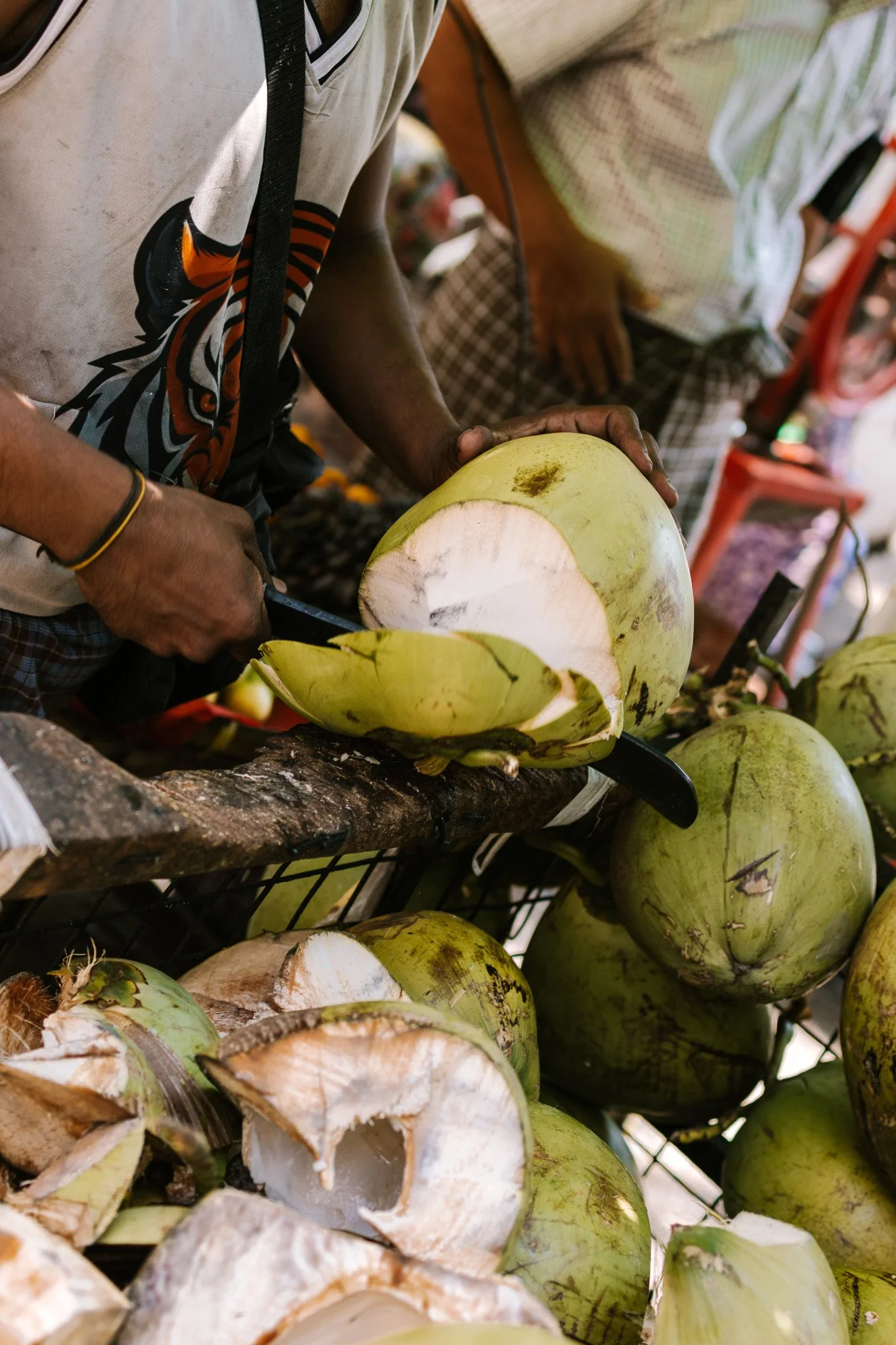
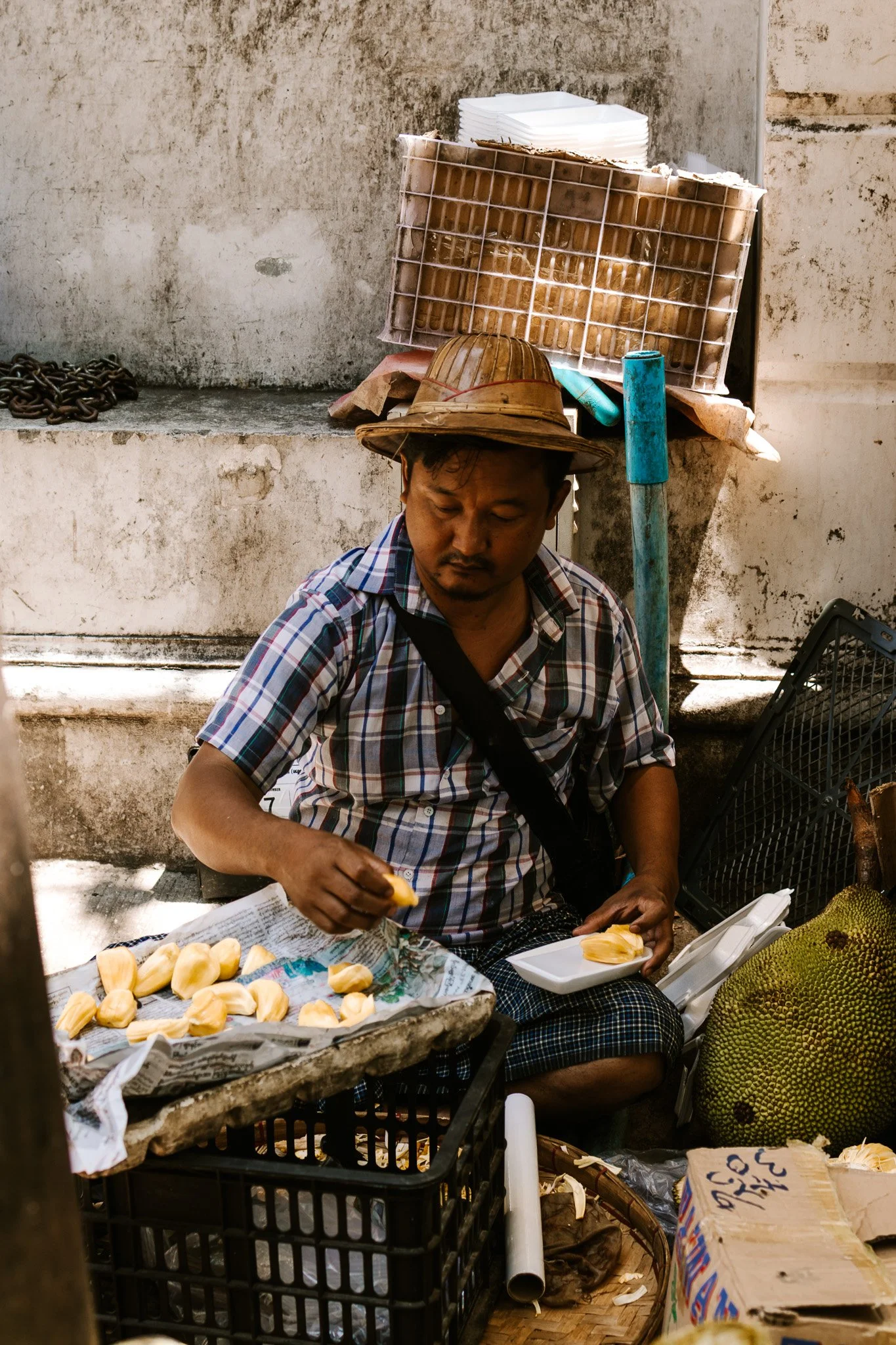
Day 3 - Overnight Bus from Yangon to Bagan
Take an overnight bus from Yangon to Bagan. Your hotel will be able to book this for you, I recommend booking the VIP one (70k kyat / $24 aud). The bus station is 90 minutes away from Yangon city and leaves at 6.30pm. It can take anywhere from 8 to 16 hours with military checkpoints. It took me 10 hours. The vip bus is super comfortable.
Bagan - 3 x Days
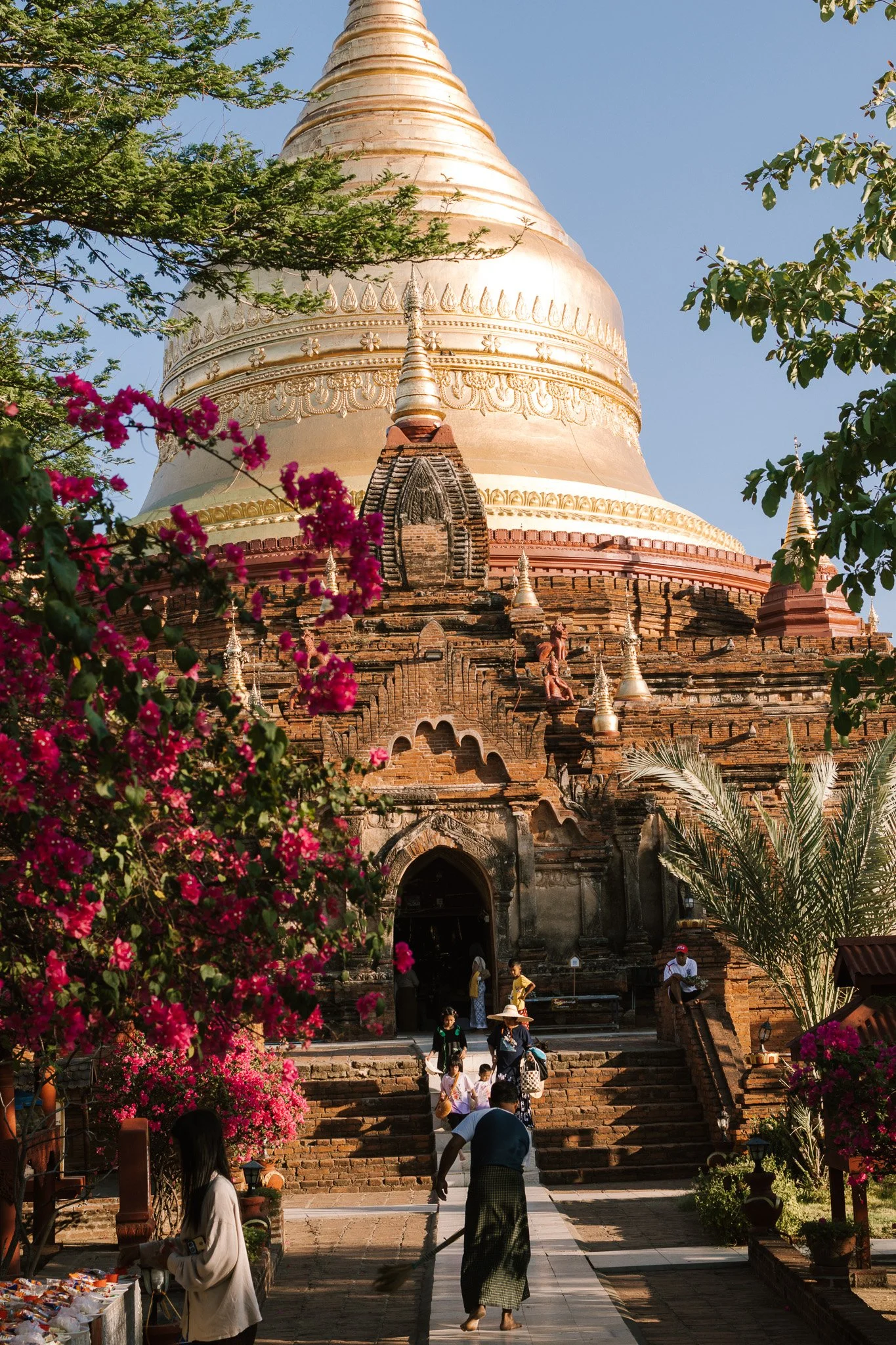
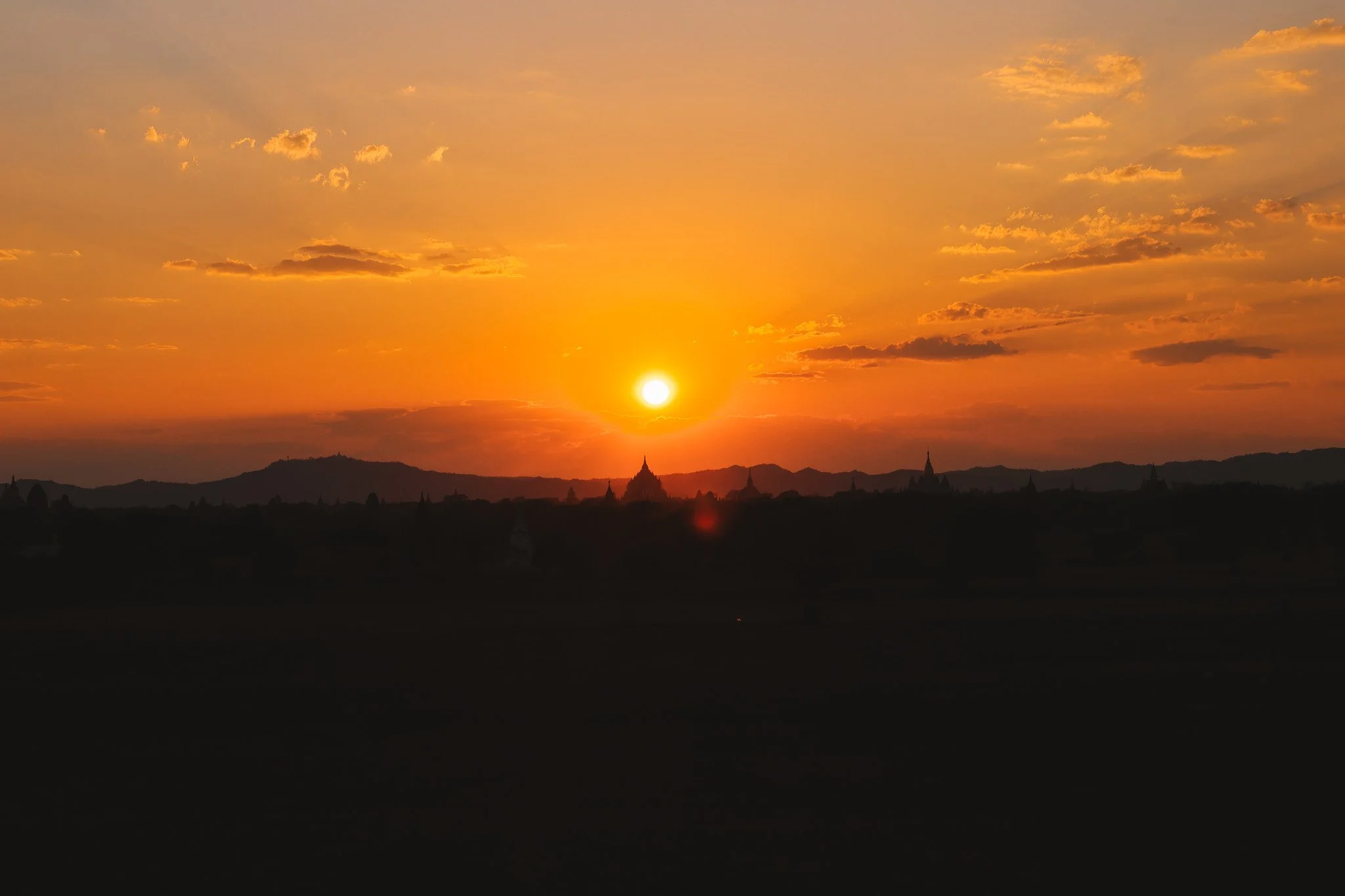
Bagan is an incredible place and the pictures (for once), really don’t do it justice because it doesn’t capture the “feeling” this place has. It’s calm, peaceful and pretty magical. With that, the impacts of no tourism can really be seen and felt here. People are struggling a lot, one artist just hung his head in defeat and said to me “there are just no tourists”. Yangon doesn’t really give a good insight into what’s happening too much, however once you get to Bagan, things start to click more. By the end of my time in Bagan, I was feeling very emotional and helpless.
Guide:
+95 9 259 100 684
Stay:
I stayed at the Cottage Boutique Hotel for $35 usd a night. You will want to make sure your hotel has a pool as it gets so hot during the day. I loved my stay at the Cottage, again, the staff really looked out for me and it always felt like coming home after being out on my scooter.
Getting Around:
You can rent an e-bike from your hotel, mine was 25k kyat / $8 aud a day
Eat:
Min Nan Thu Kitchen
The Village House
Coffee Day - loved my iced mocha from here
To Do:
Hot Air Balloons - during the peak tourism years of 2015 - 2019 around 15 balloons would go up a day, now there’s only one a day. The price is now $130 USD instead of $400 USD (what it was during the peak). Book in for your first day, in case weather doesn’t permit flying, so you can reattempt the next day. Unfortunately this is what happened to me. Everyone says it’s one of their highlights though so I recommend trying. You have better chances from November to February that they will fly every day.
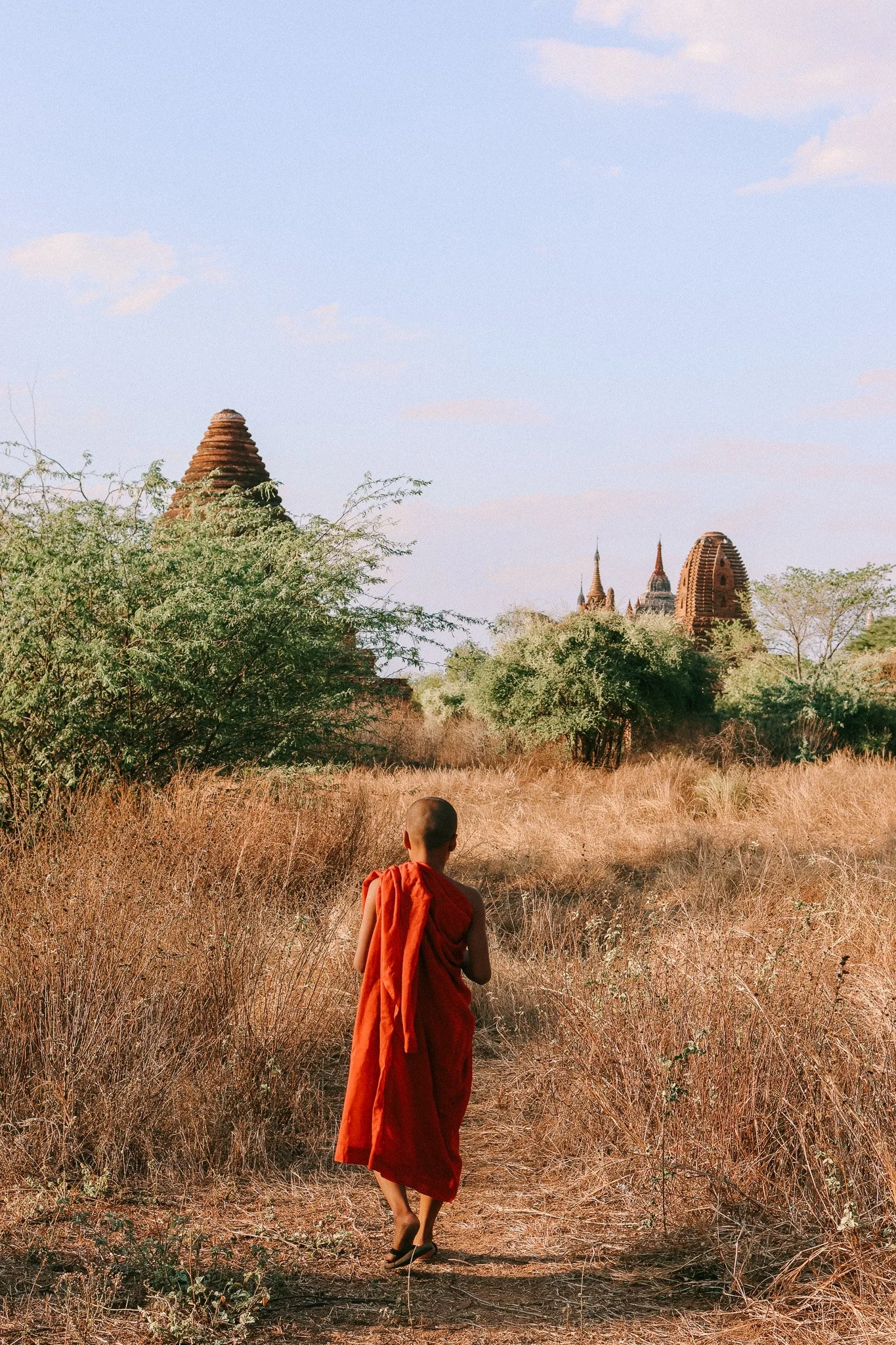
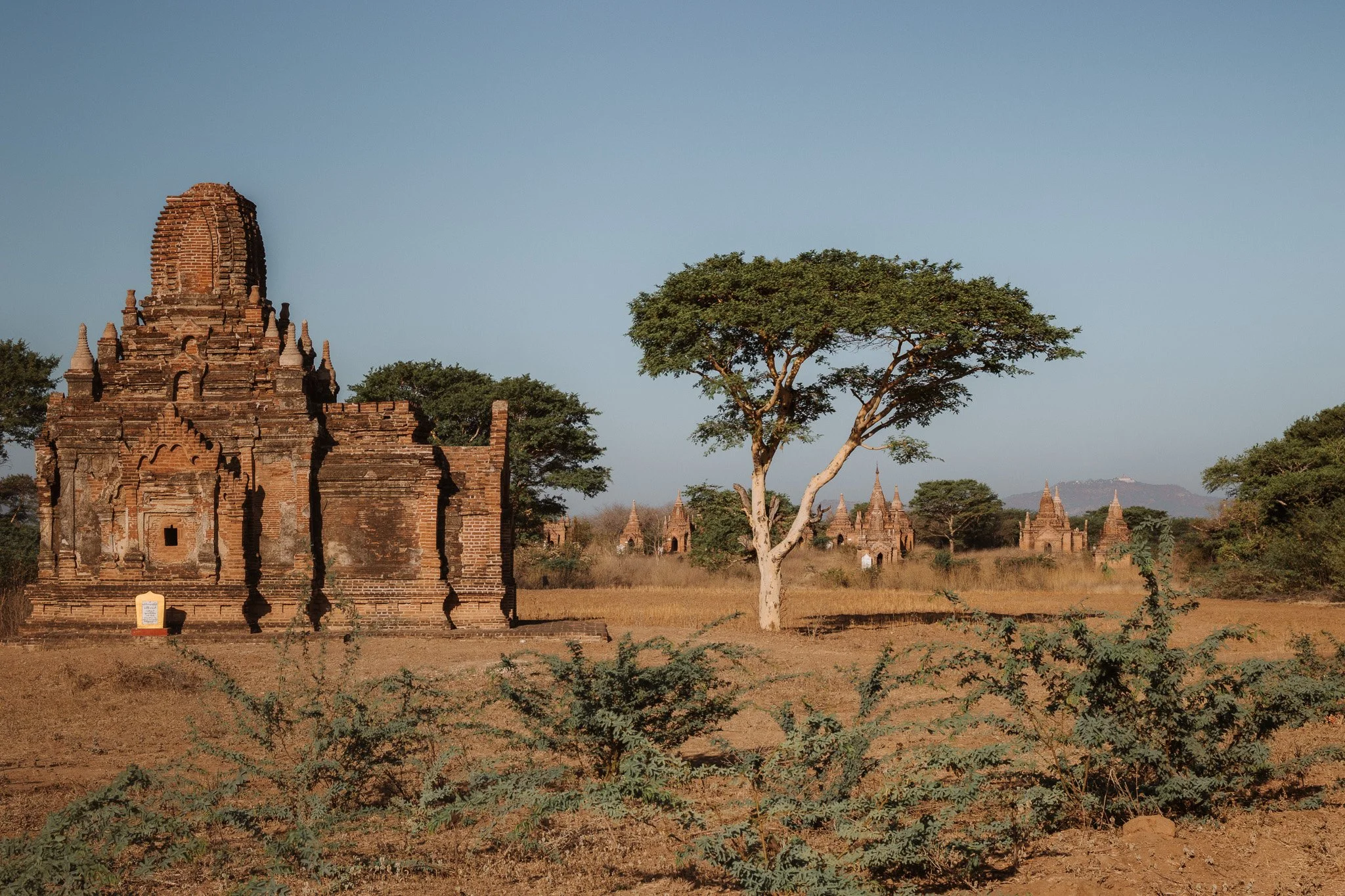
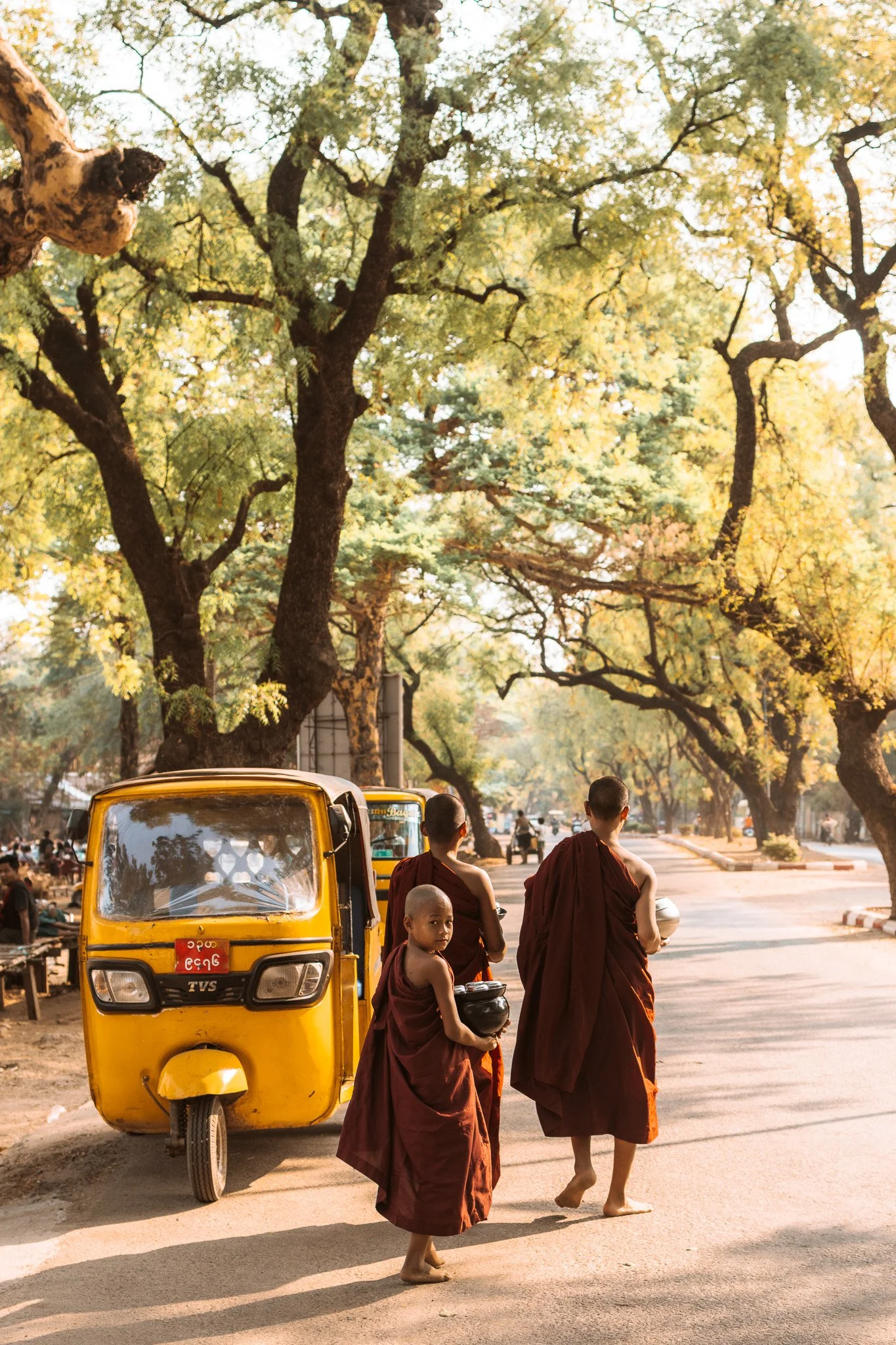
The best thing to do is to just jump on your e-bike and explore all the hidden dirt paths, which lead to these amazing temples and stupas. You’ll have the whole place to yourself, there are truly no words. And if you’re thinking, ugh more temples, this place is different just trust me - it’s like Angkor Wat on steroids, there is something so magical about this place.
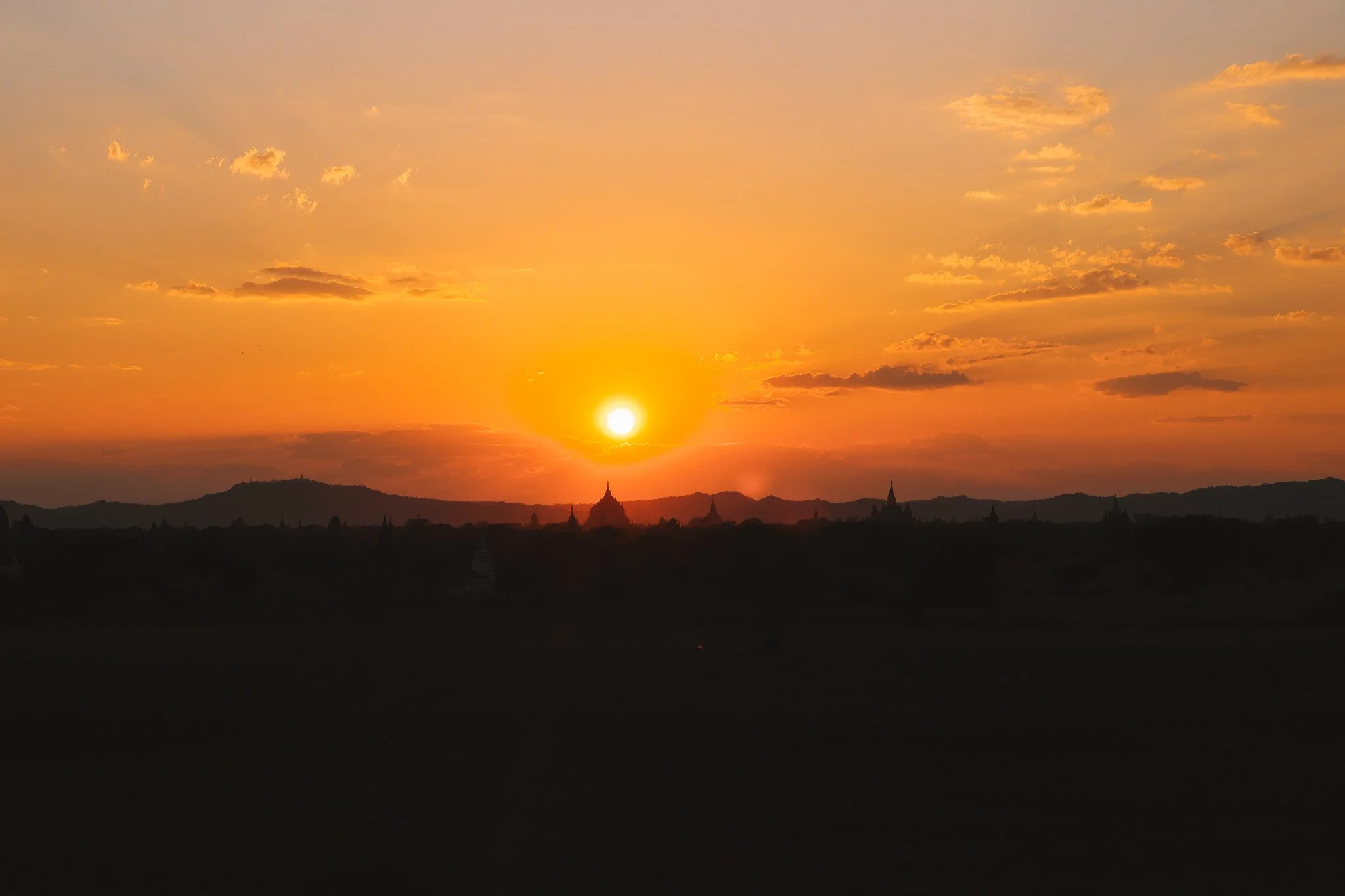
Sunrise and Sunset - your day will be dictated by sunrise and sunset, there are different viewing points for each time of day. You can no longer climb onto the stupas or temples, so you can view sunrise and sunset from set hills, or from the viewing tower. The viewing tower is okay, I think seeing it from the hill is better tbh, but nothing would beat being in a hot air balloon.
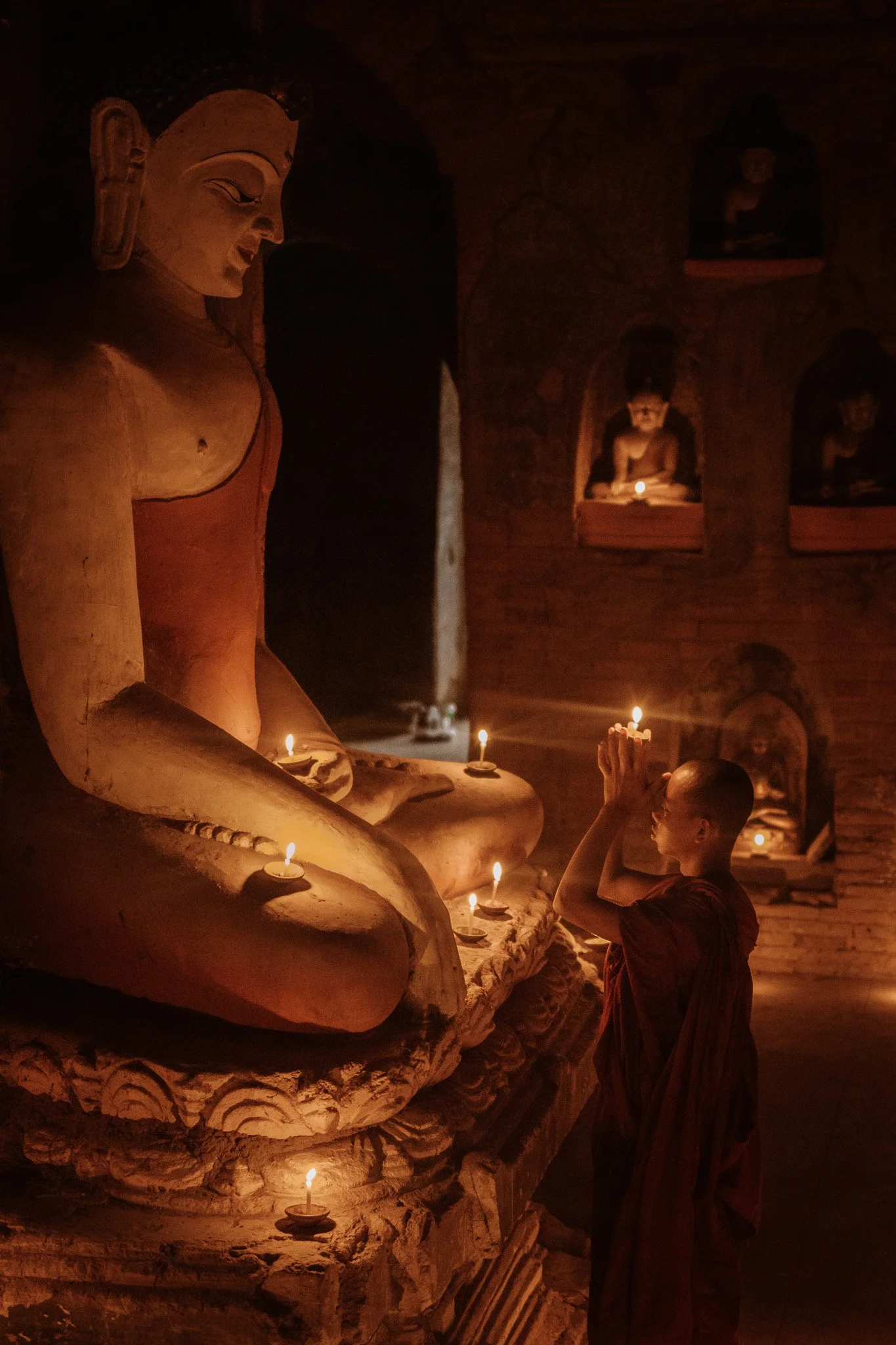
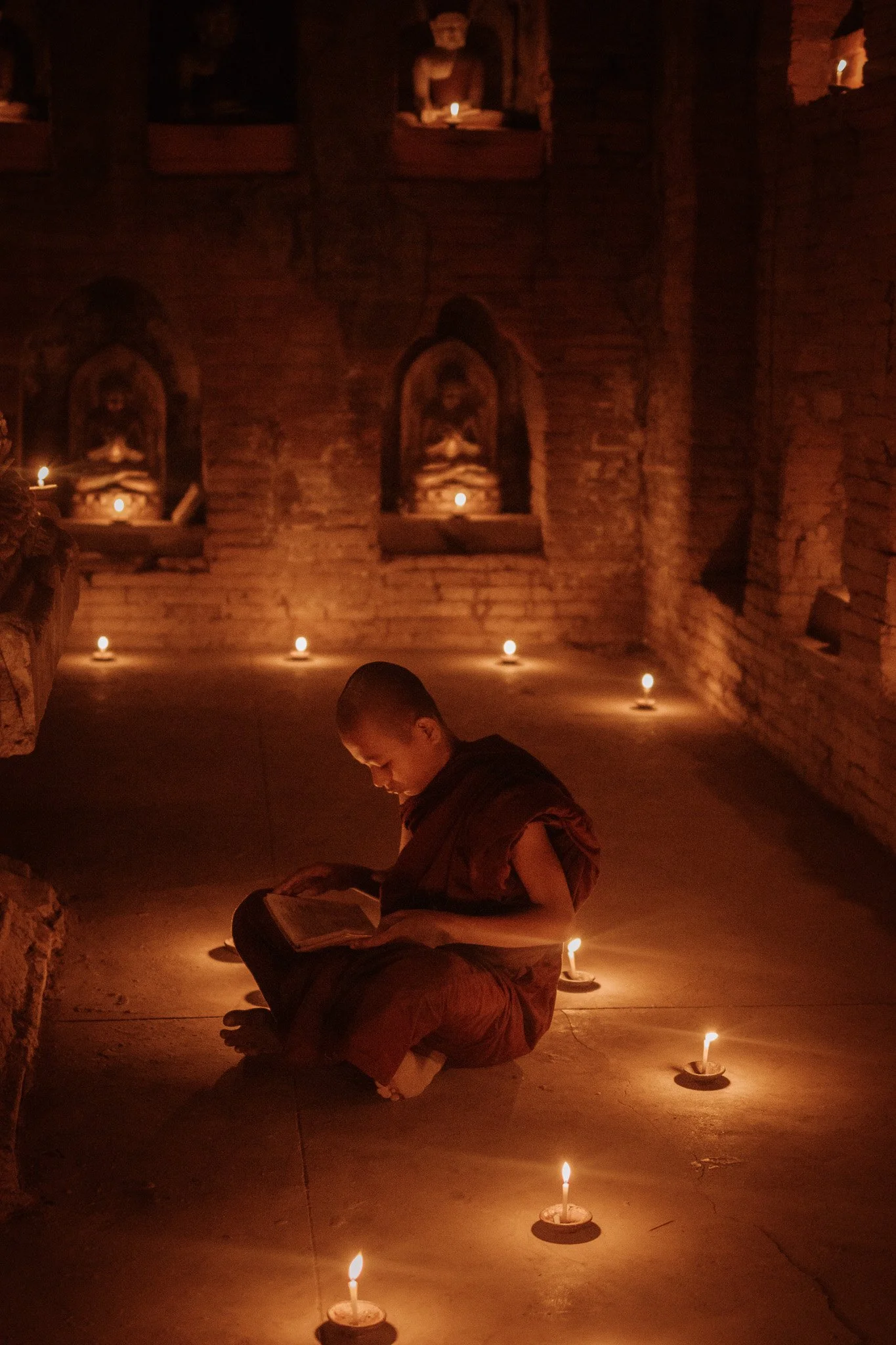
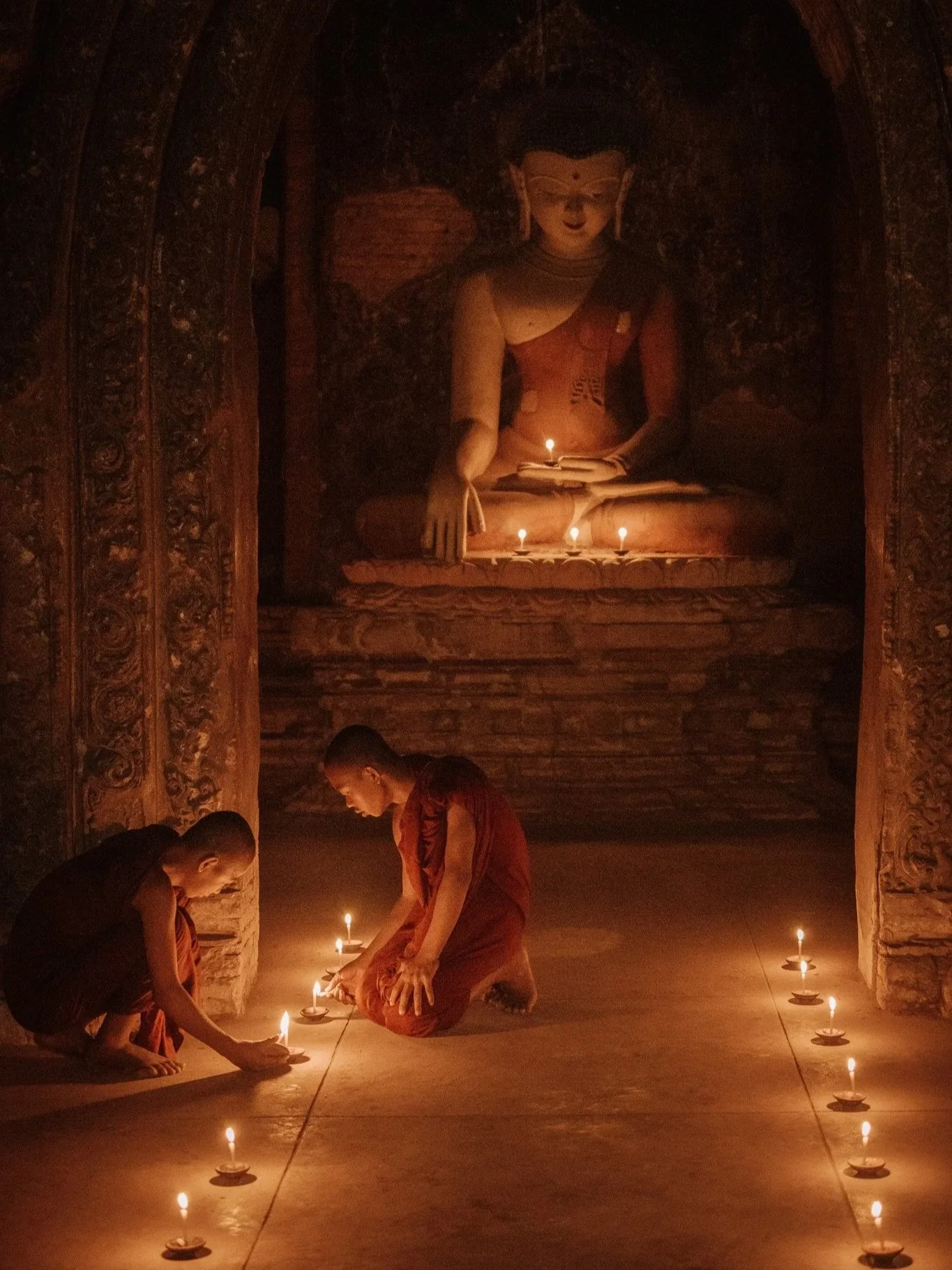
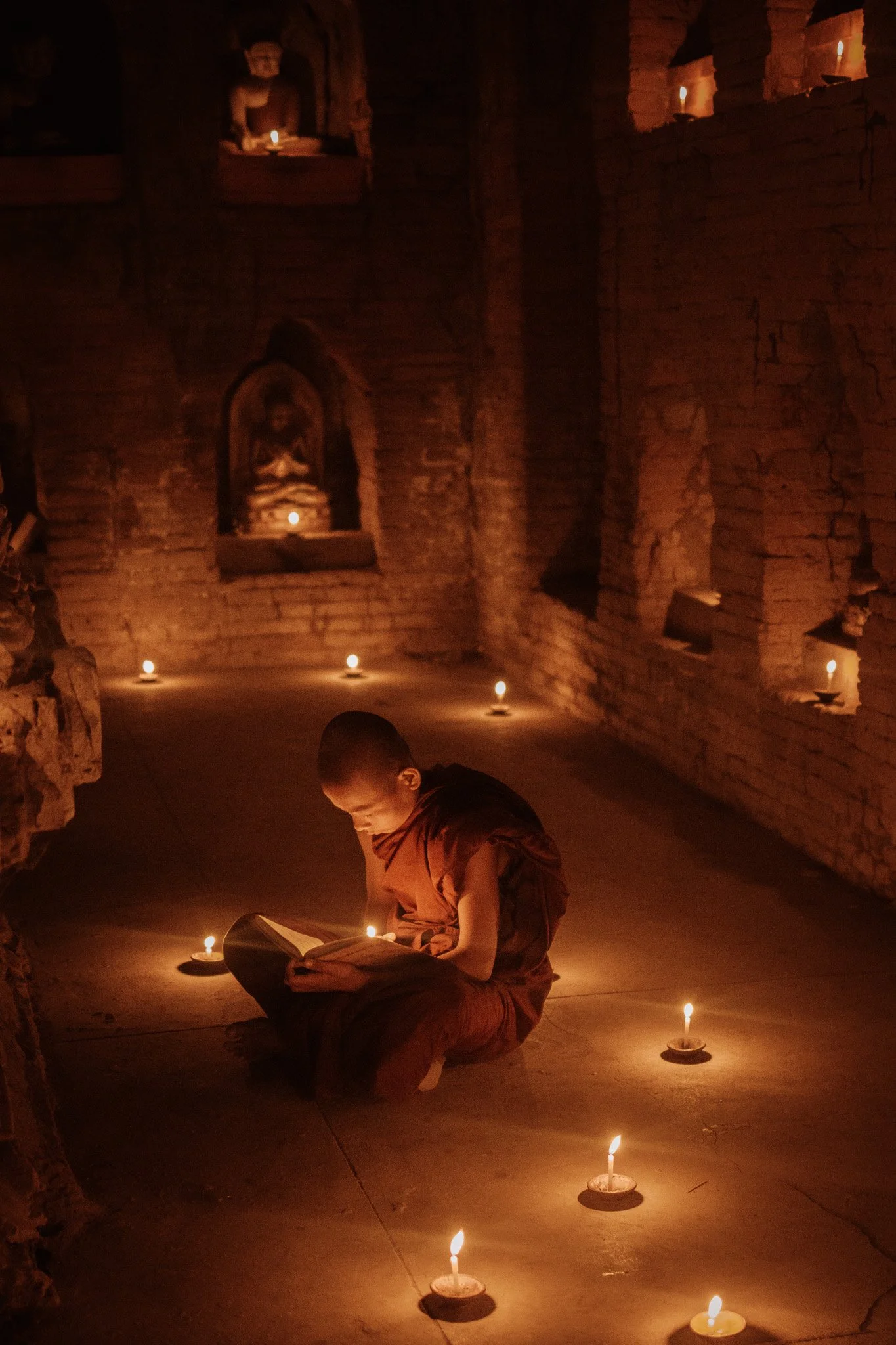
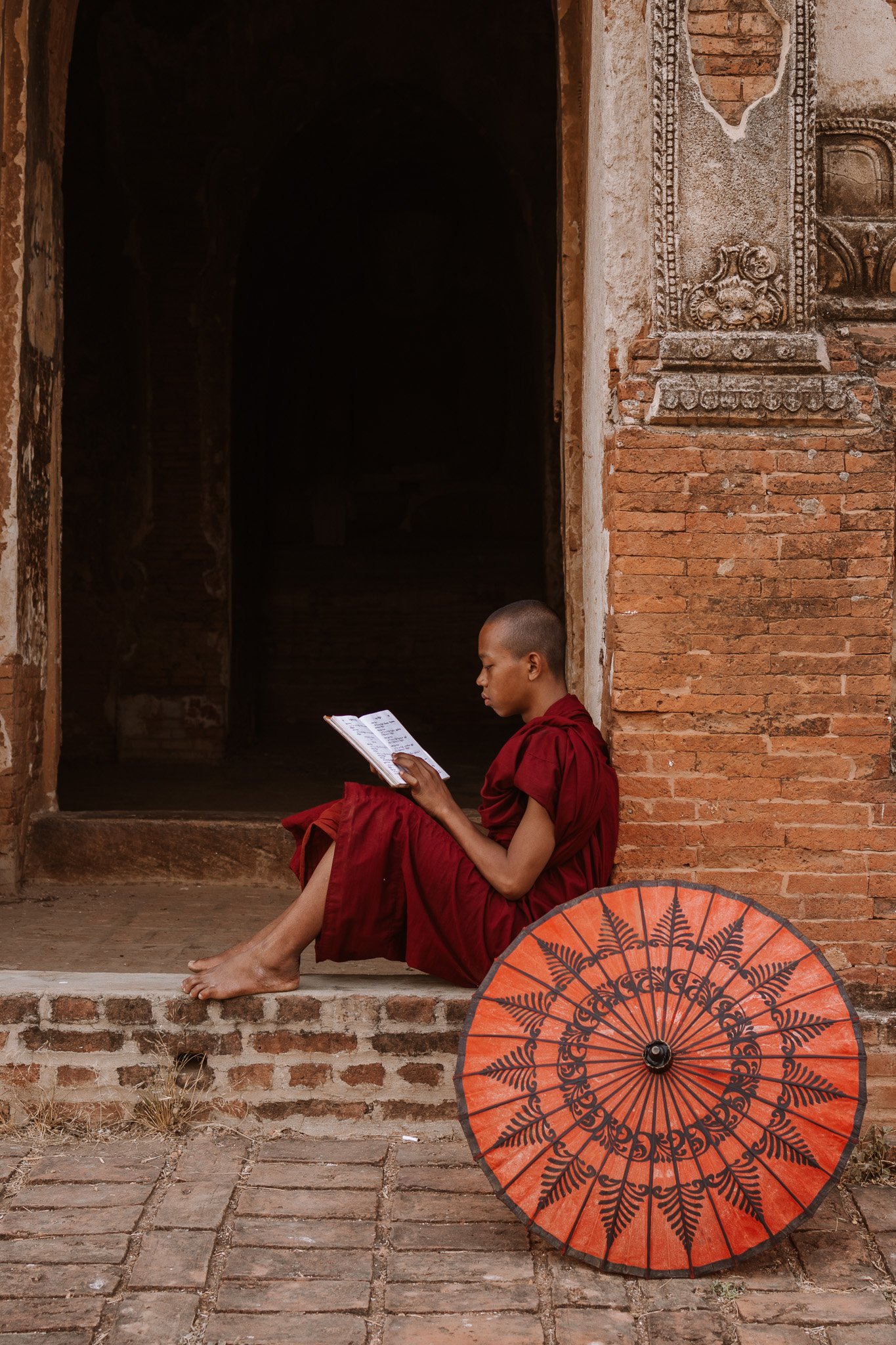
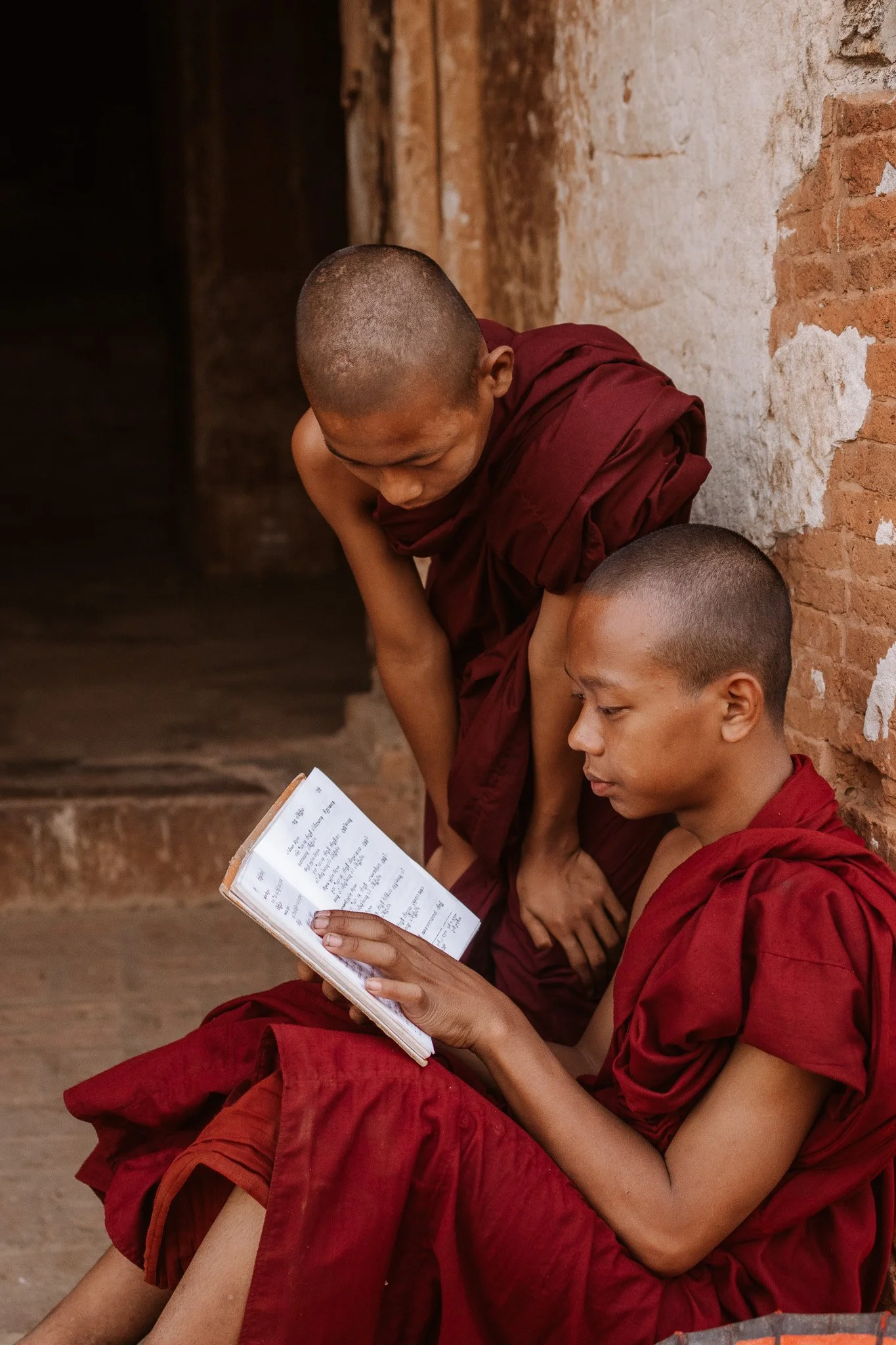
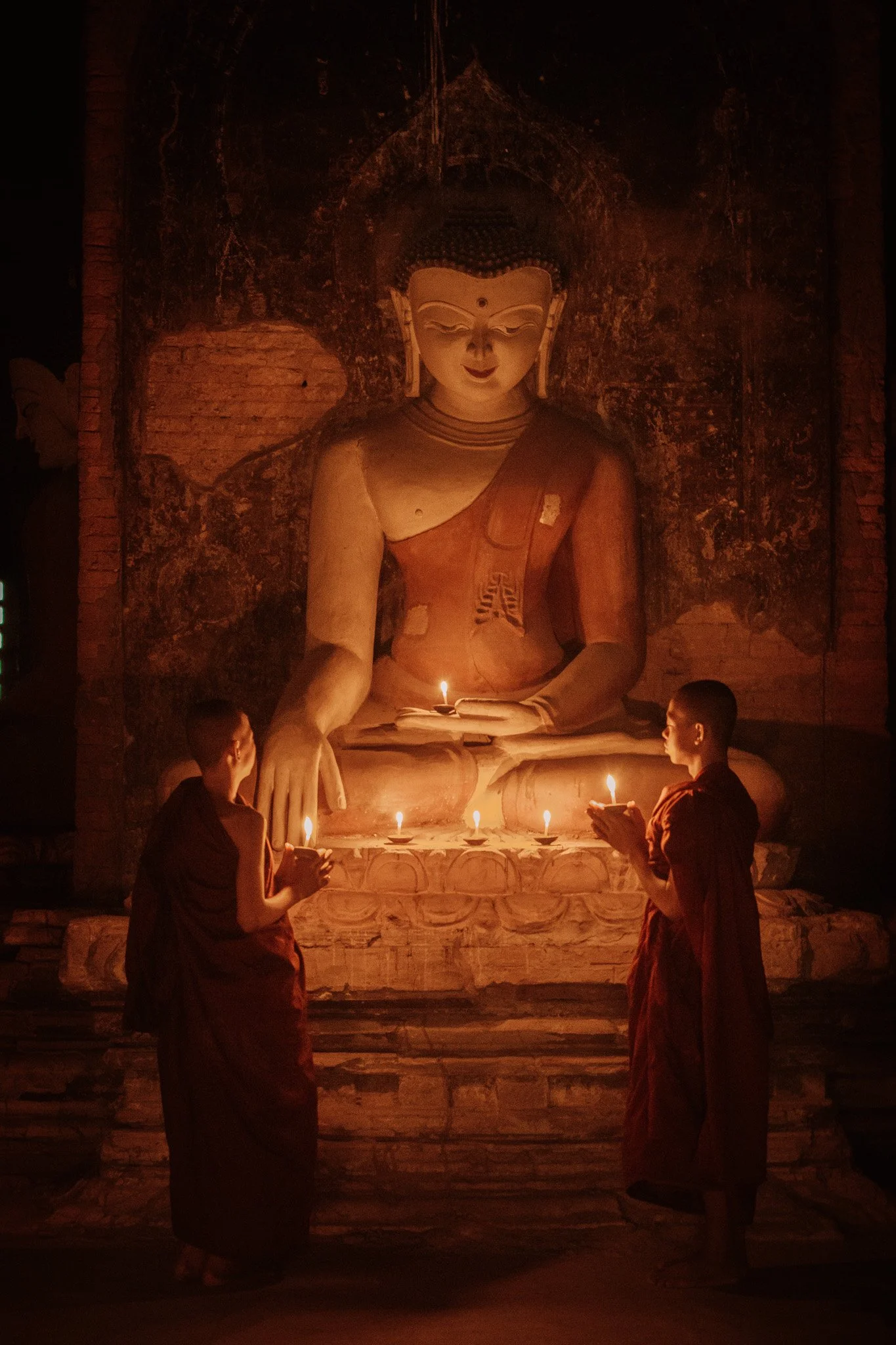
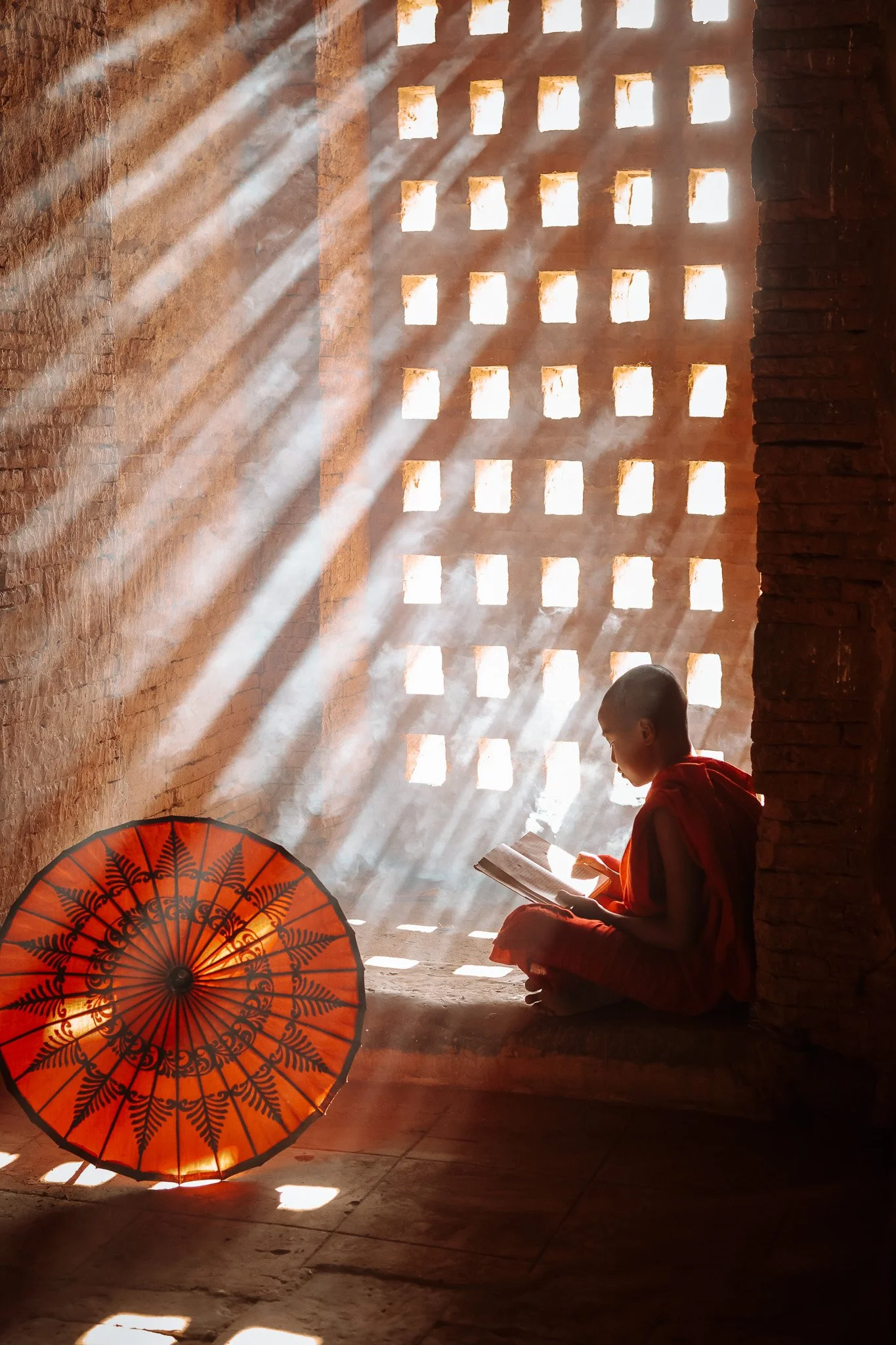
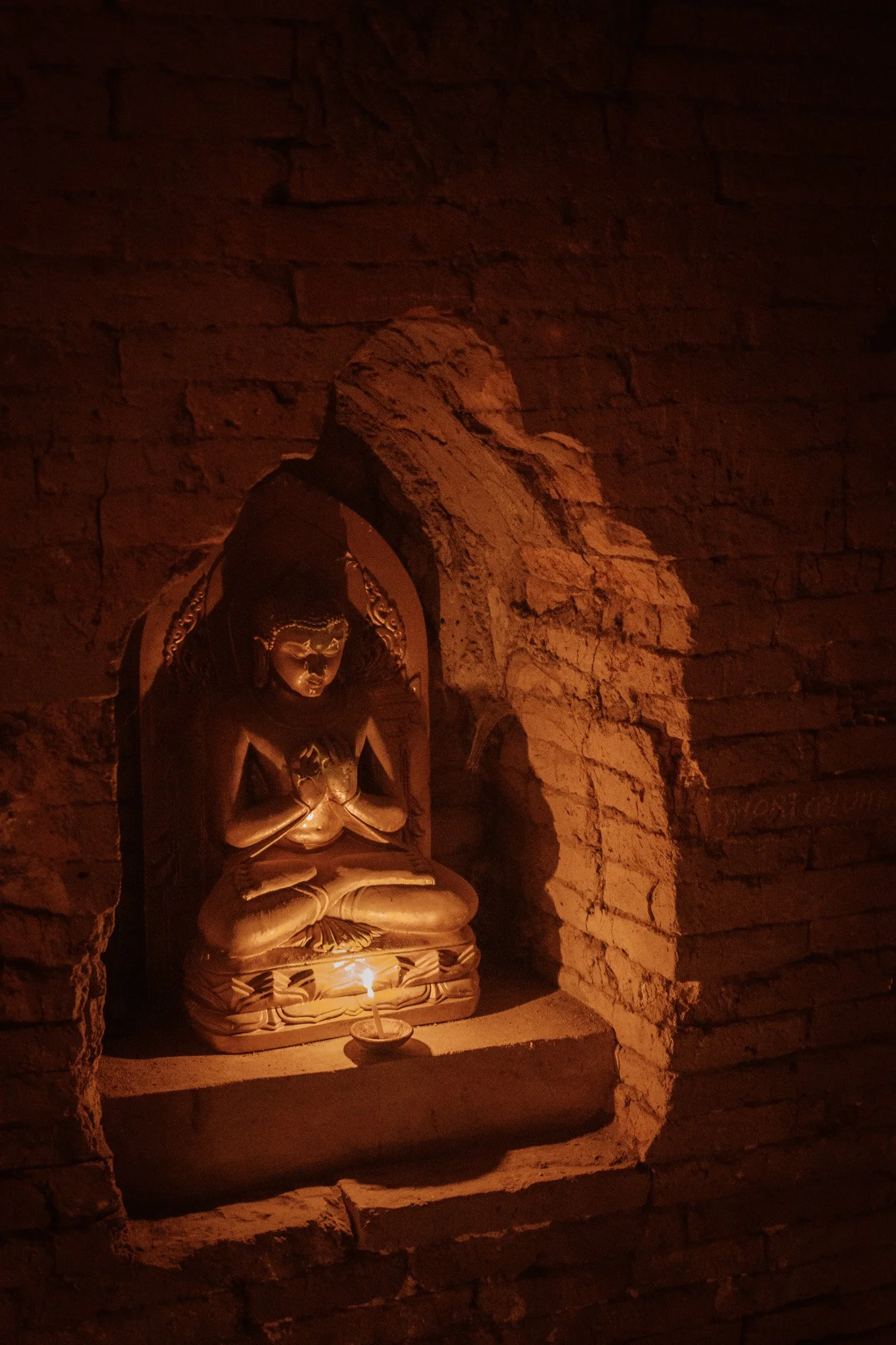
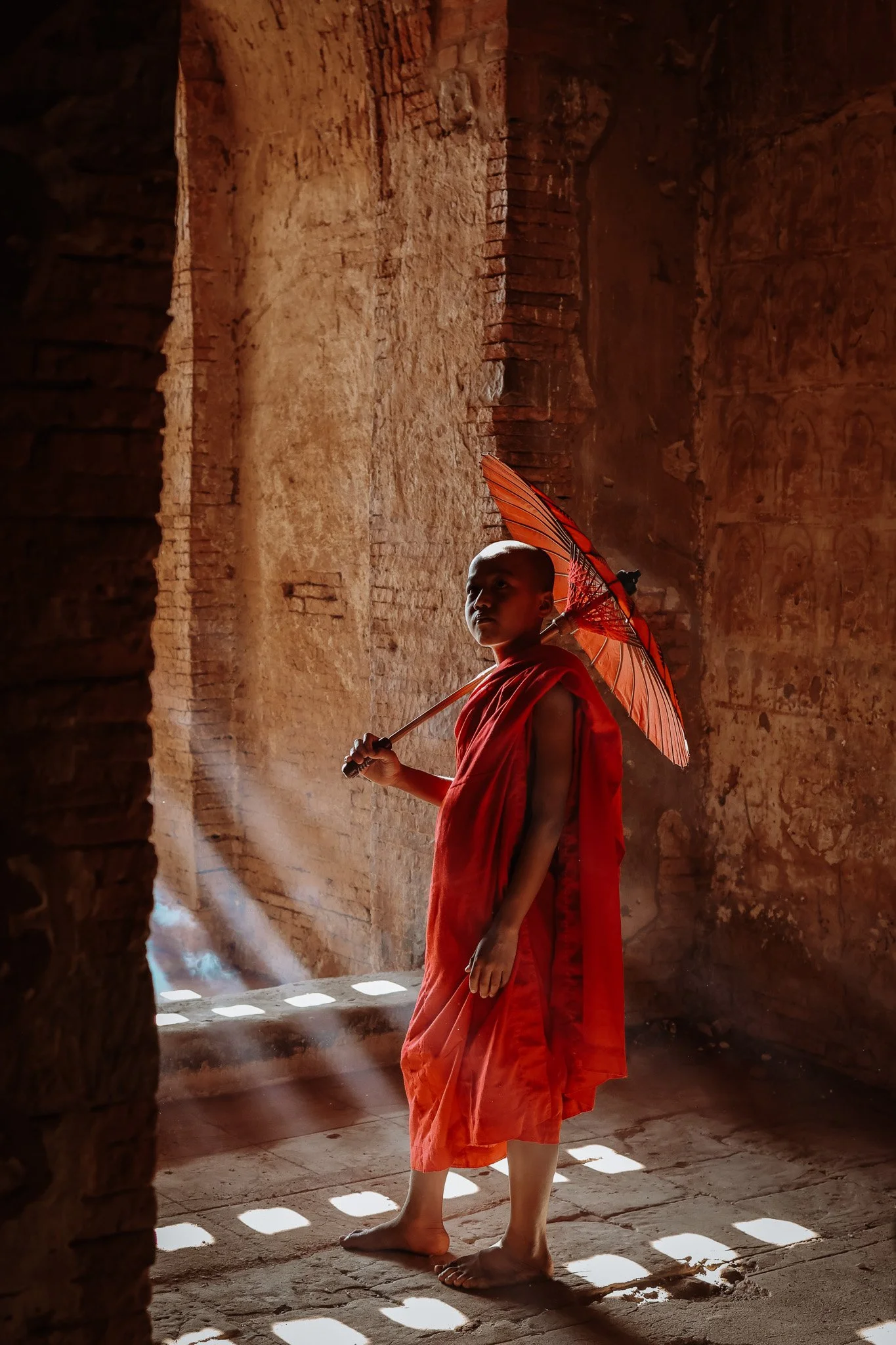
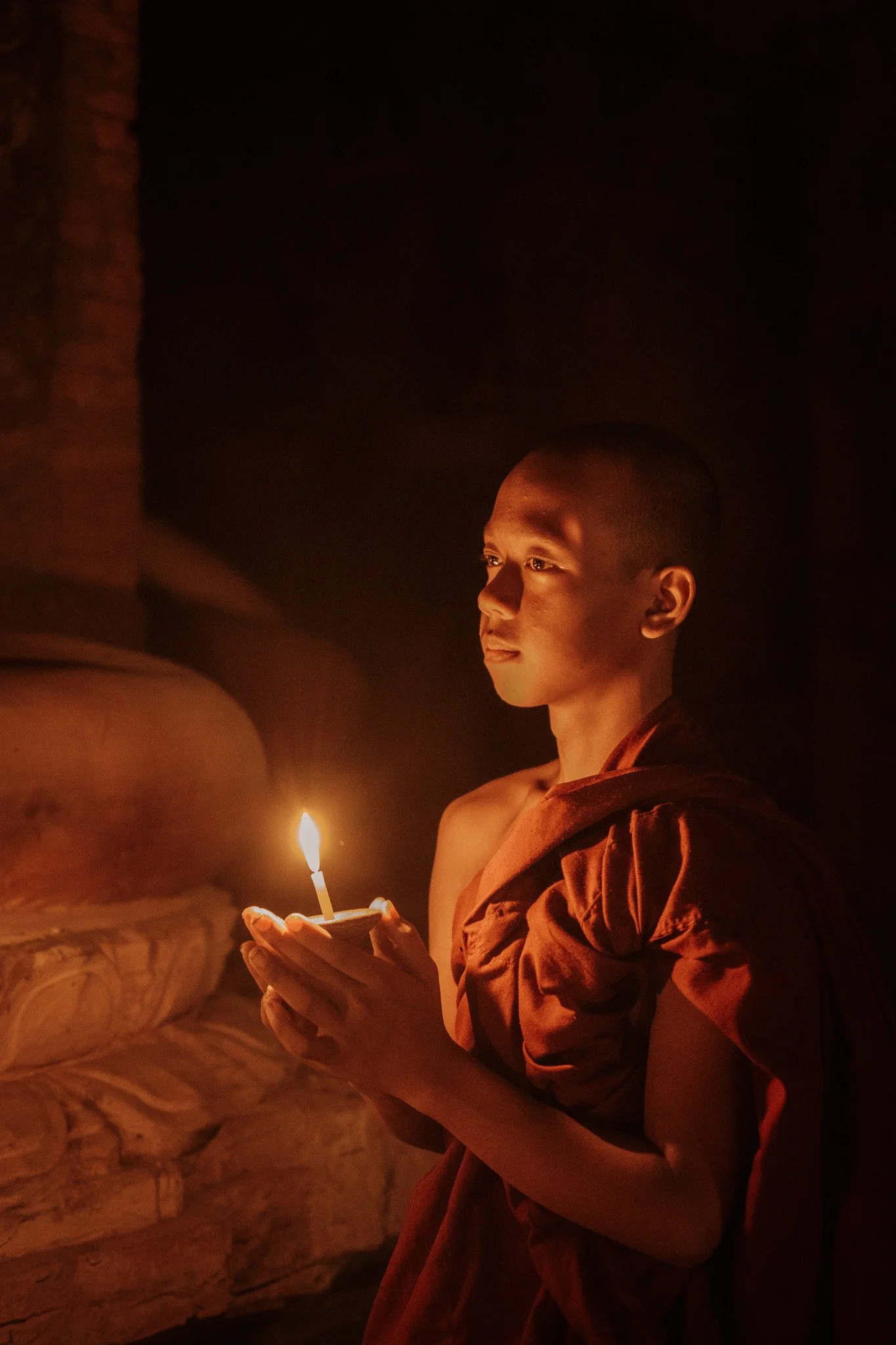
Photo guide - I met a guy who is a “photo-guide”, he’s not cheap but he will light all the candles in the temple so you can take photos plus he BYO monks lol. His whatsapp is +95 9 45135 4263
Day 7 - Bus from Bagan to Kalaw
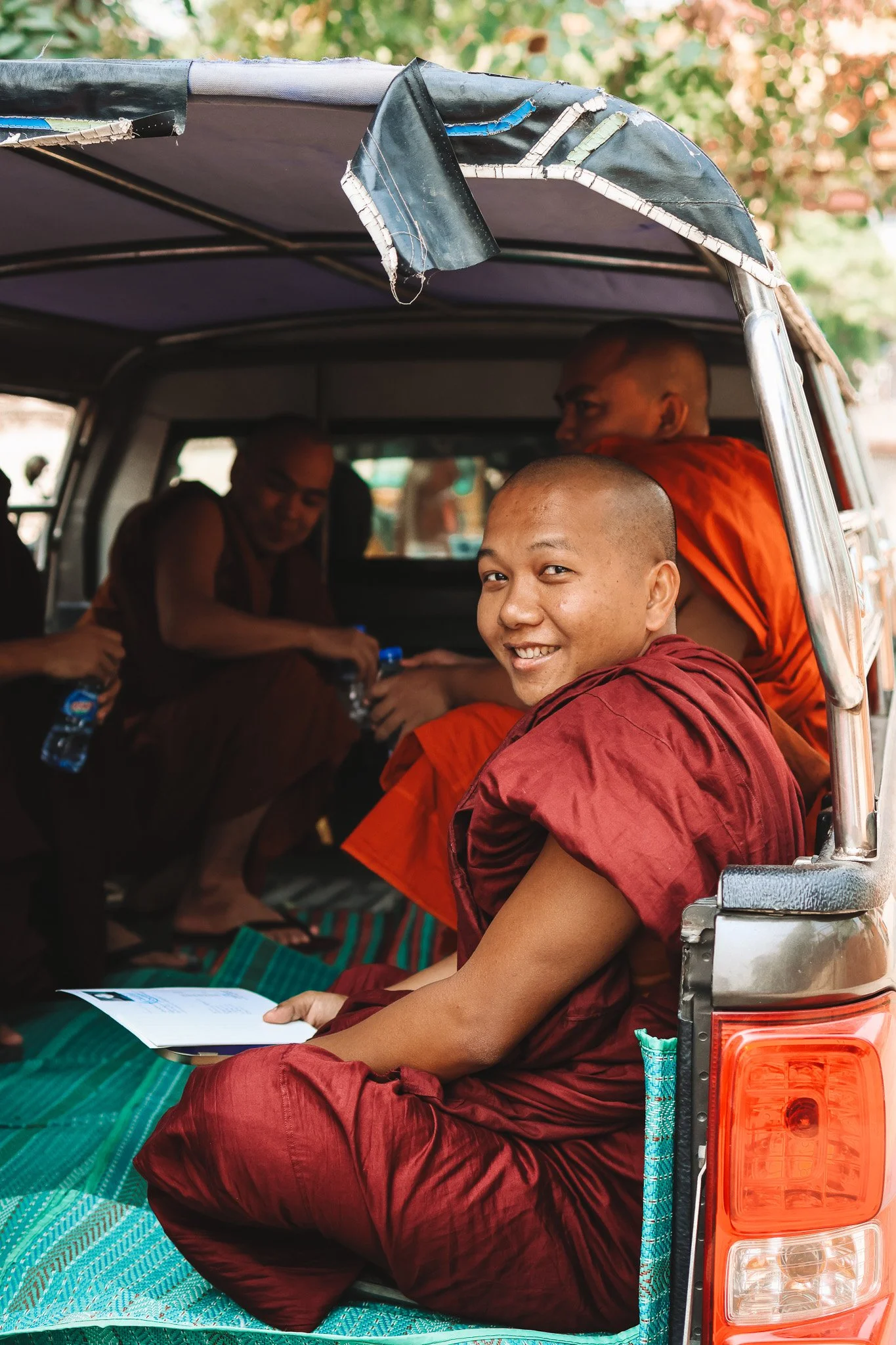
Today isn’t going to be super fun, to get to Kalaw to start the multi-day trek, you need to take a minivan bus from Bagan to Kalaw (50k kyat). The bus can take anywhere from 6 to 10 hours, again, depending on checkpoints but also how long is spent looking for petrol. It fits 16 people, but they obviously cram a lot of people in and the aircon isn’t usually on.
Kalaw - 1 x night
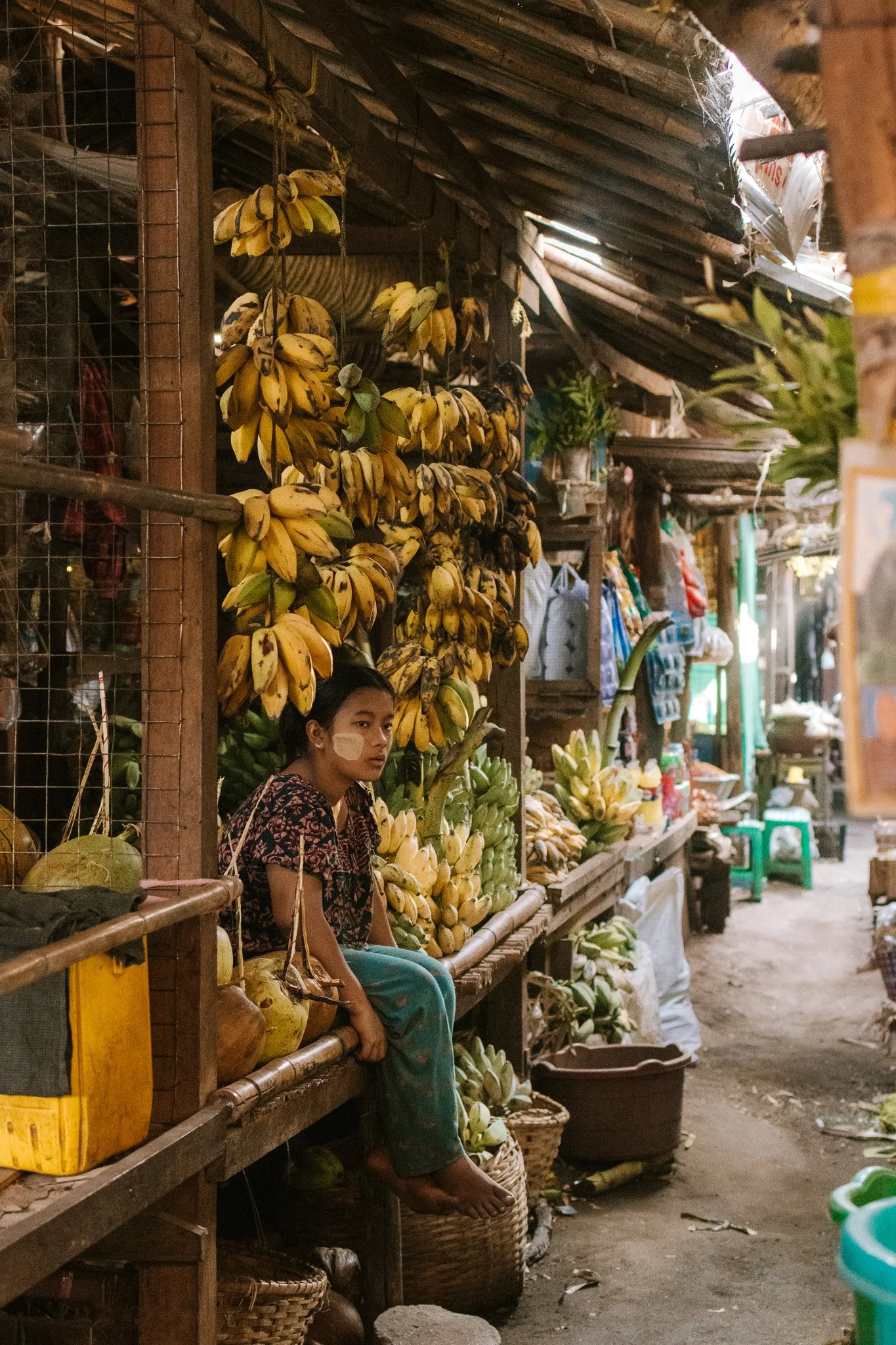
Known as Myanmar’s mountain town, you’ll get some reprieve from the heat in Kalaw. It has a cool vibe, lots of coffee shops and pretty walkable. I purchased some gifts for the family I was going to be staying with here and prepped for my hike the next day.
Stay:
Hillock Bed and Breakfast for 100k kyat / $35 aud
Eat:
I was only in Kalaw for a night so I ate at Pine Hub Cafe, I liked it.
Kalaw to Inle Lake (2-days / 1-night)
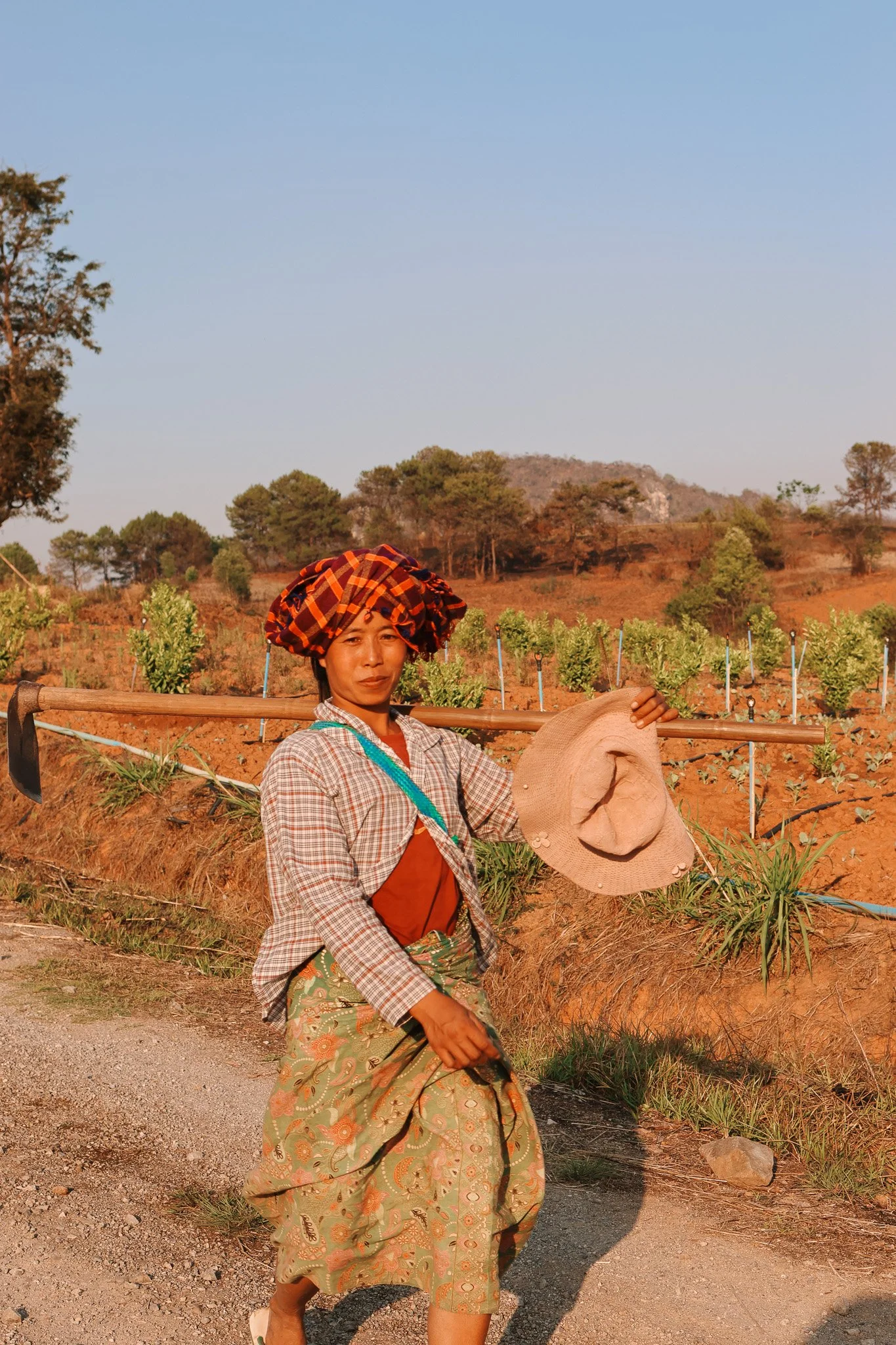
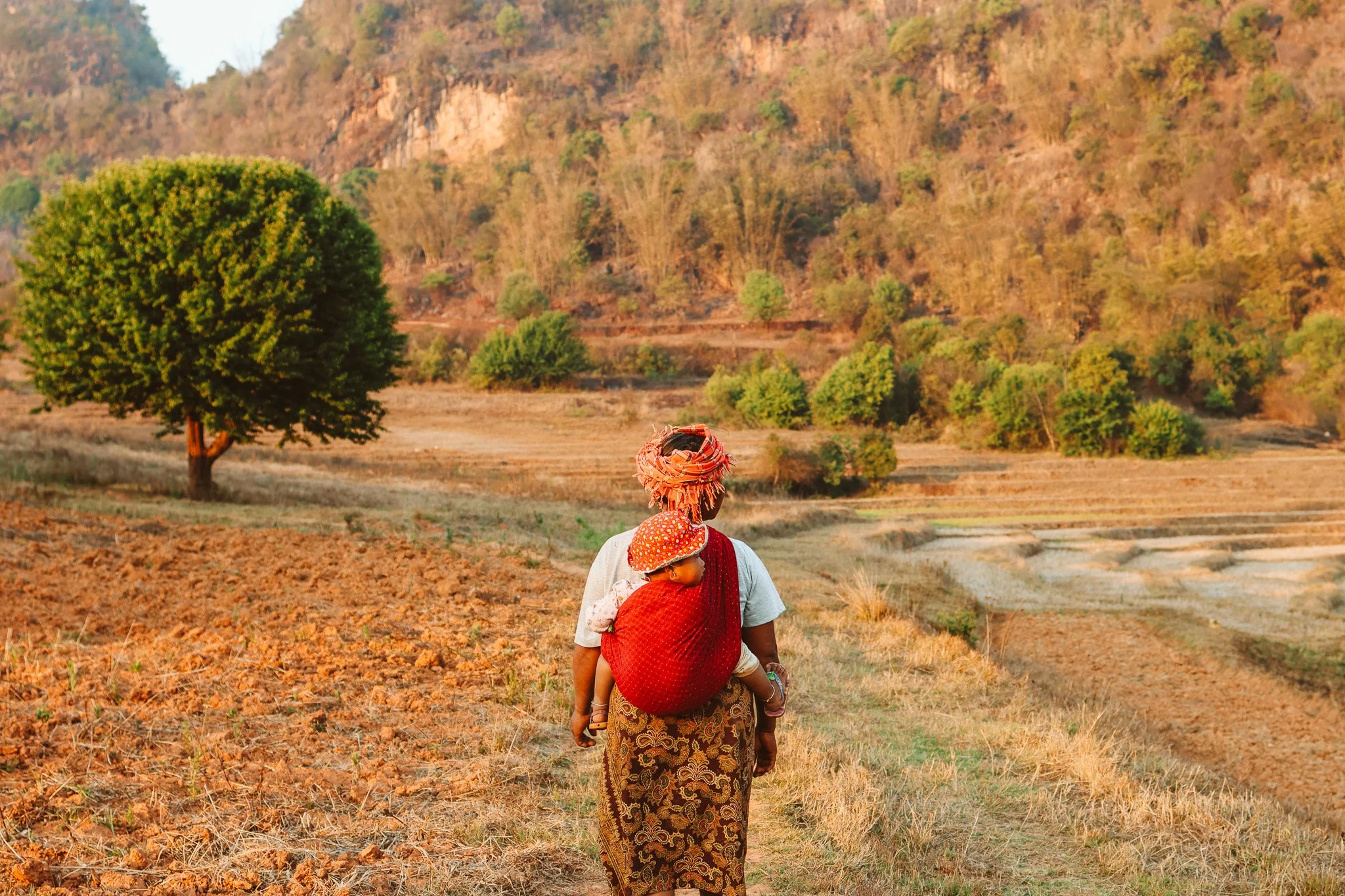
This by far was the highlight of the trip and something I added on last minute. The trek goes between villages and ends in Inle Lake. Initially, I was under the impression that this area was too dangerous as it’s in Khan State. Khan State has fighting but the specific area I was going to was safe. For this part of the trip you need to do it with a guide, I went with Eversmile Trekking, you can DM them on Instagram and I can’t recommend them enough. Typically, you do a 3-day / 2-night trek however I was short on money so did a 2-day / 1-night trek, which was 380k kyat / $125 aud.
Day 1
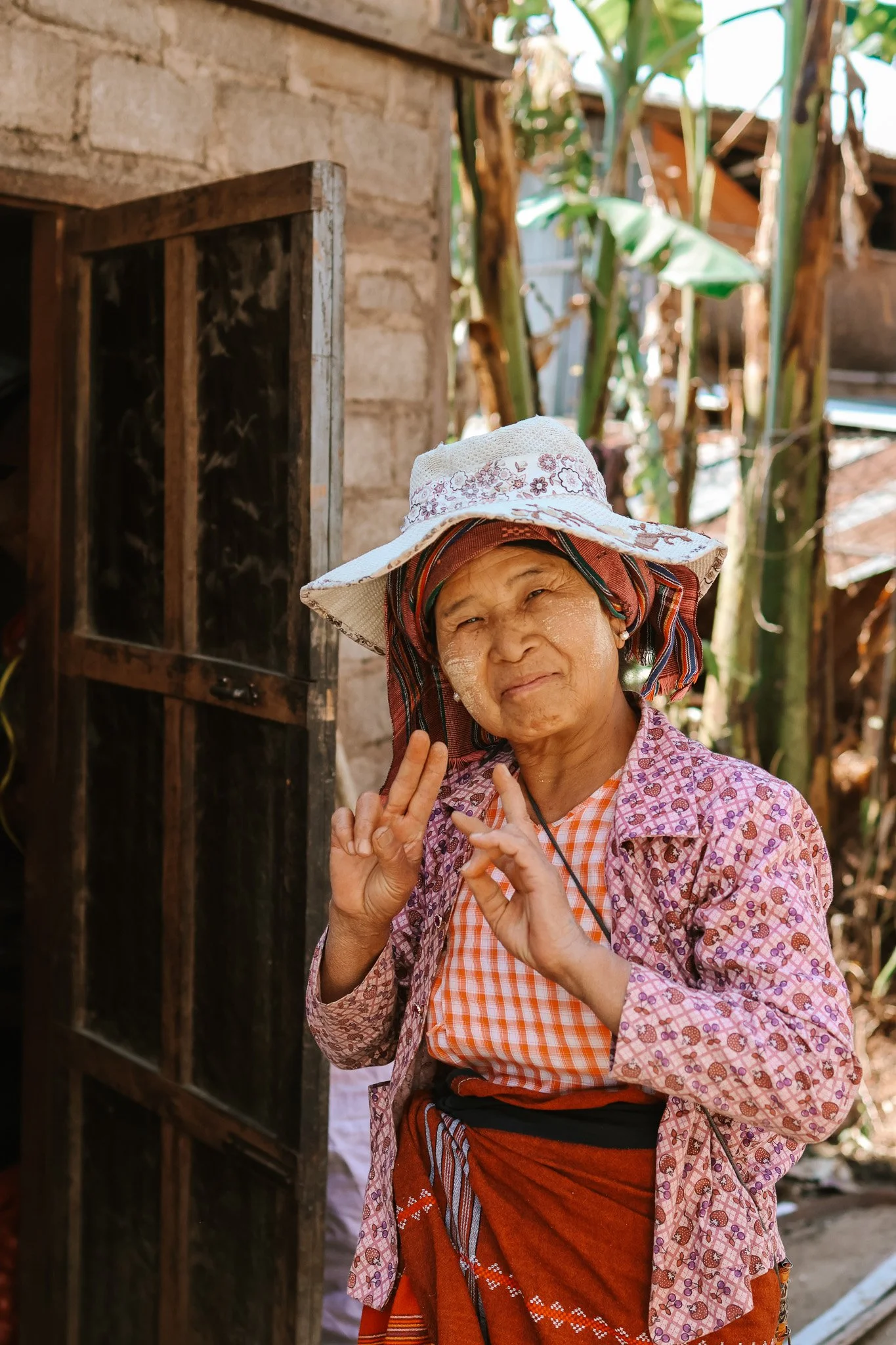
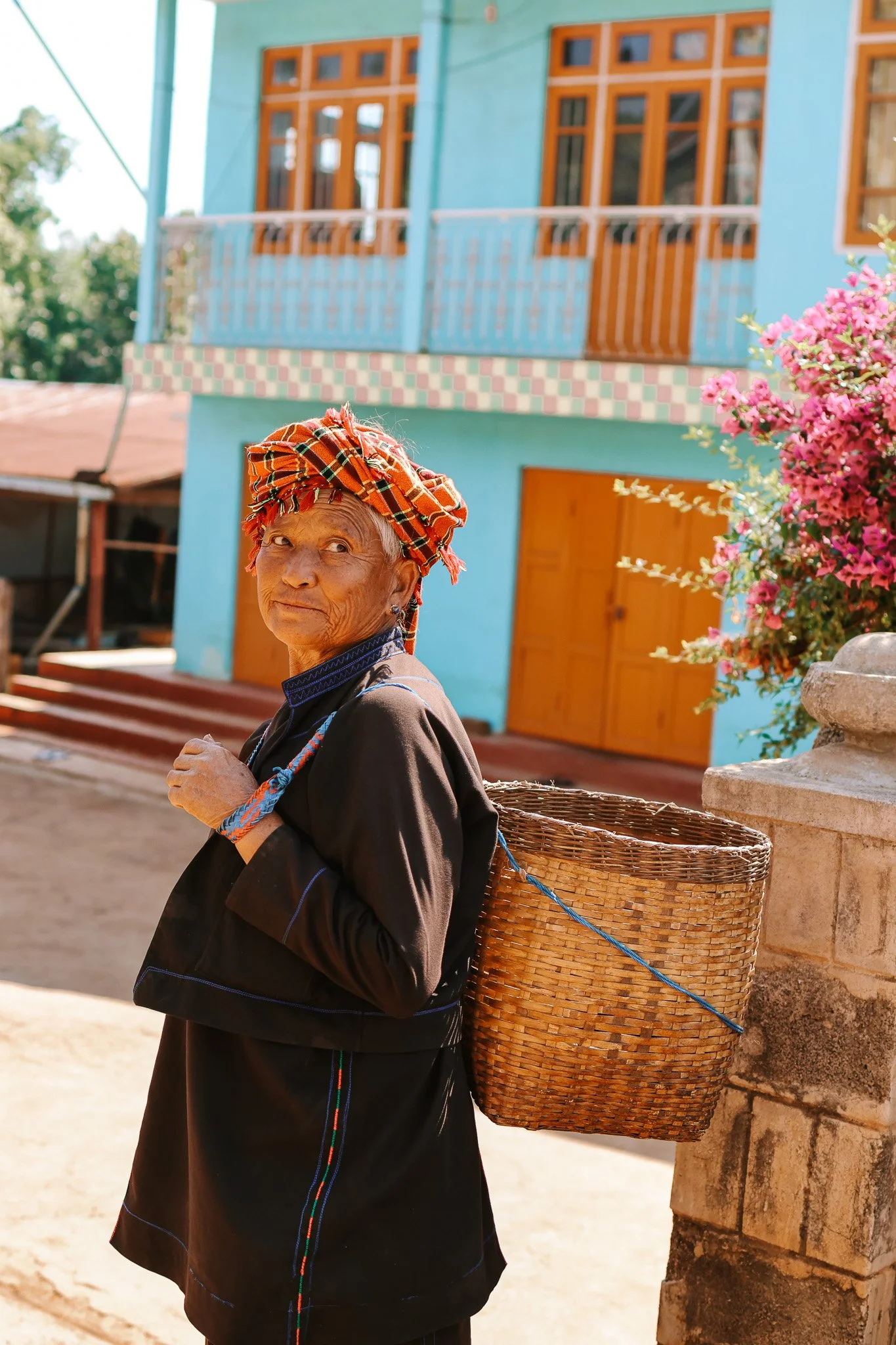
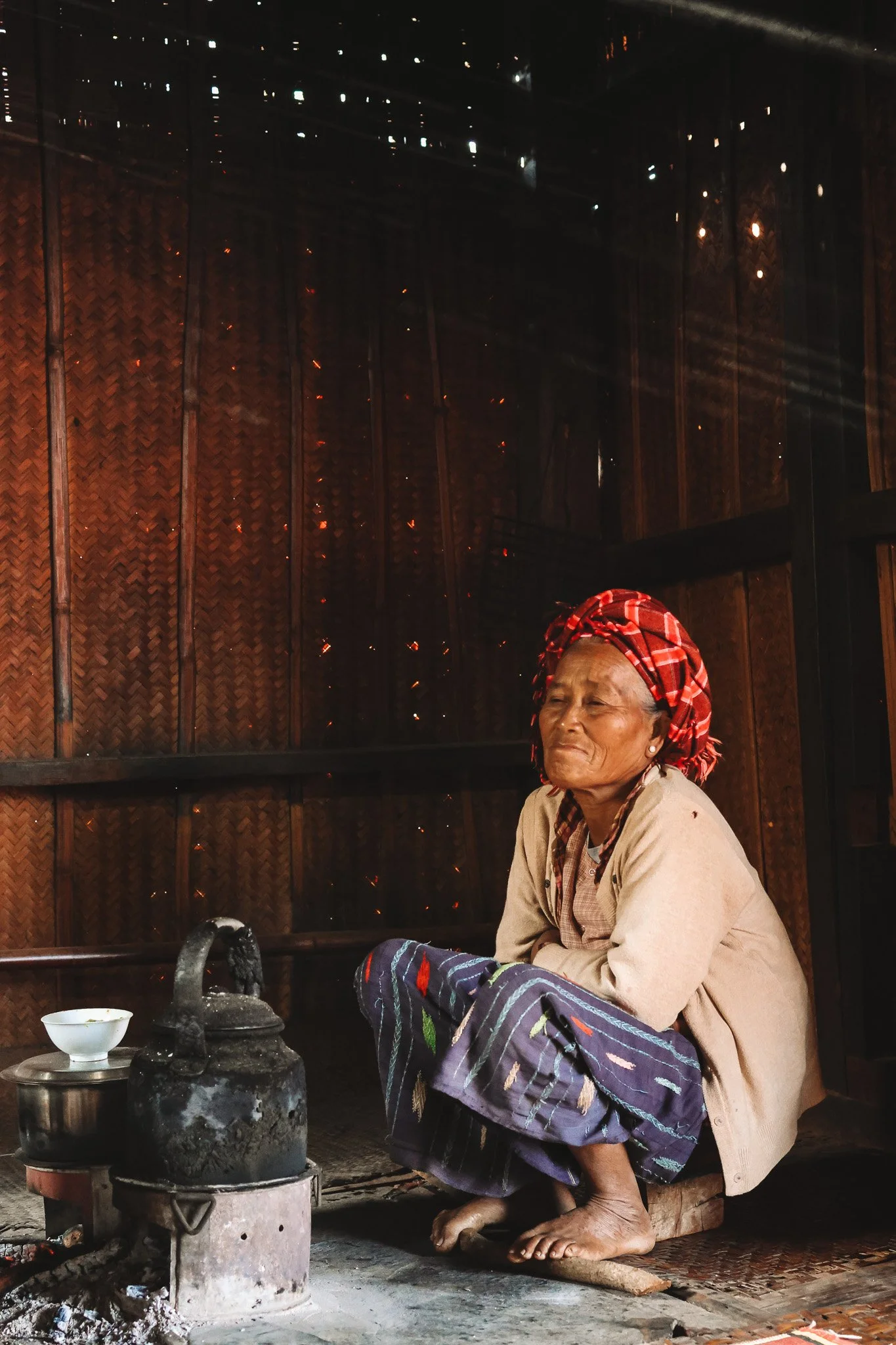
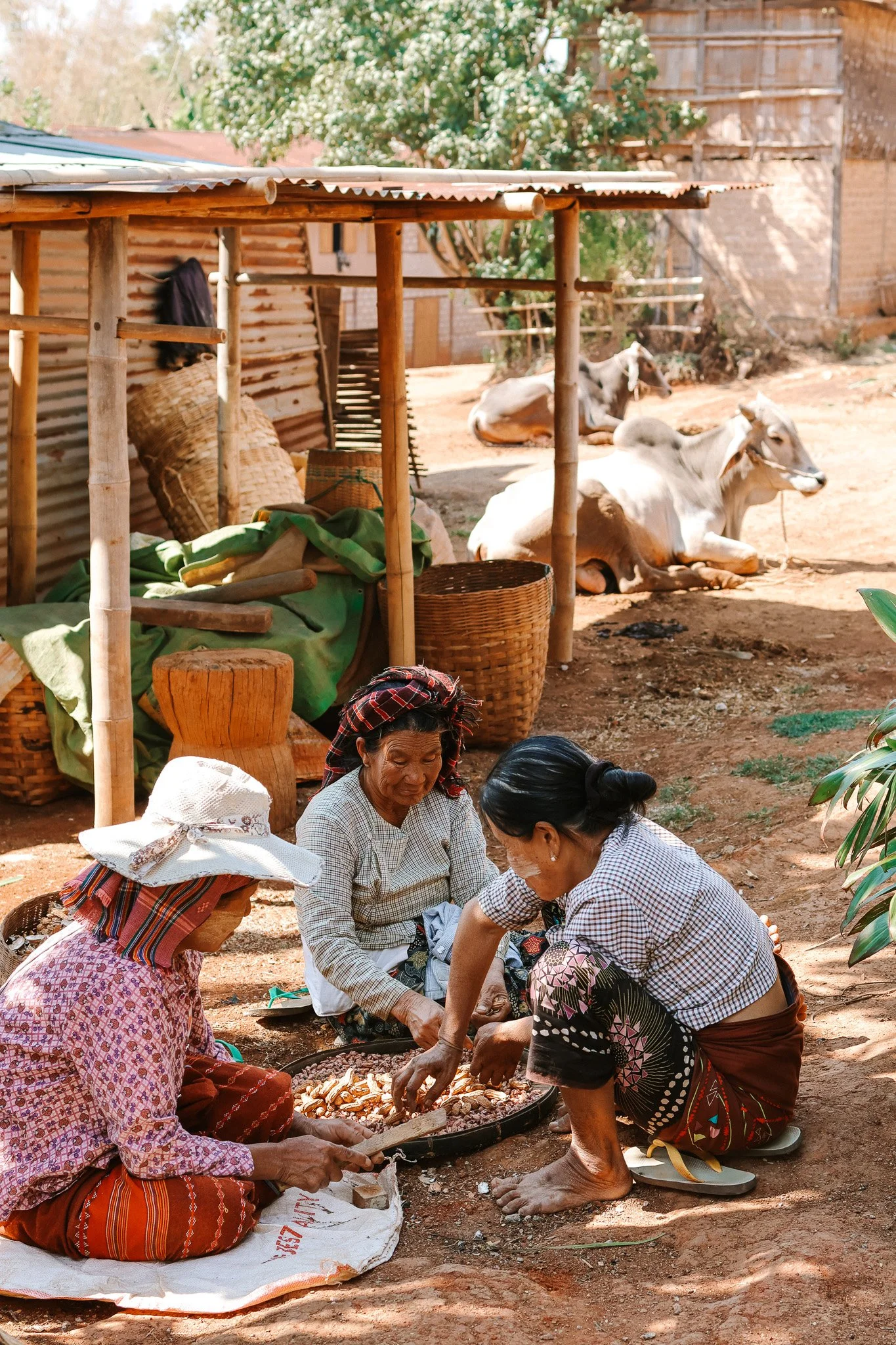
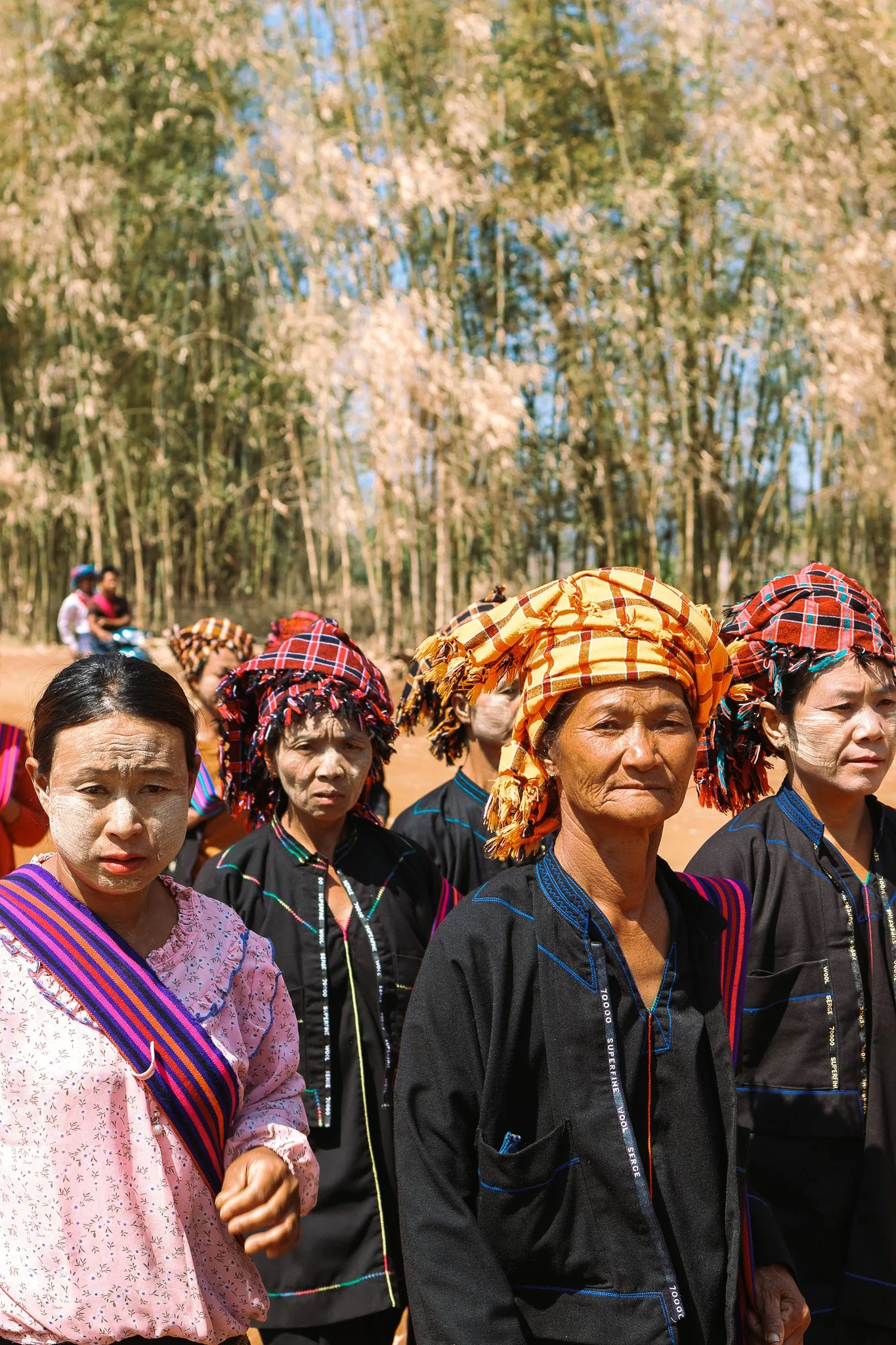
The first day is around 22km’s however it’s mostly flat and not strenuous. We had tea at a monastery with monks, tea with an elderly grandmother and tea at another family’s home. All tea spots were unplanned but in true Burmese hospitality, no one would let us walk far without asking if we wanted tea.
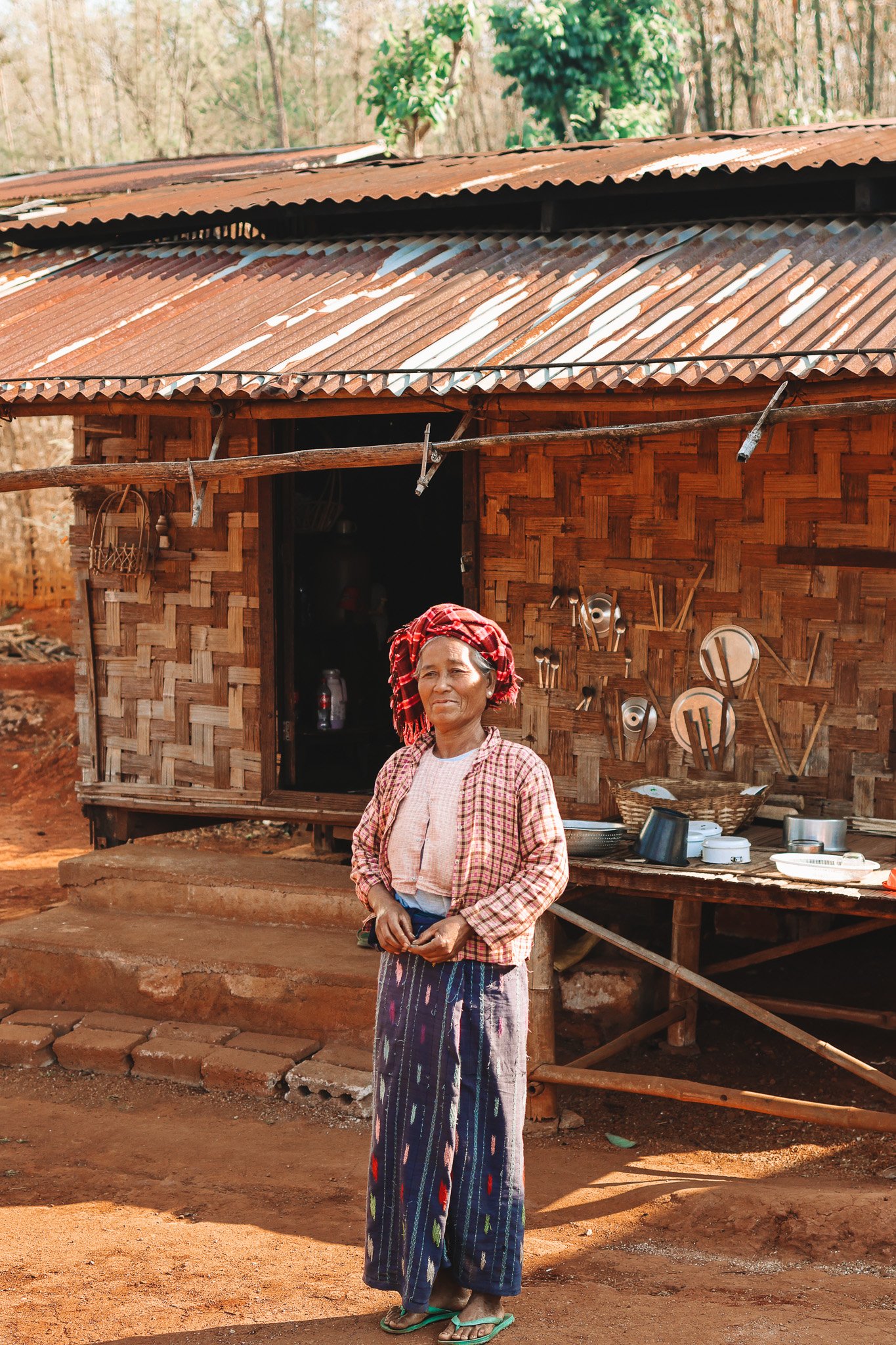
There was also a local festival going on in one of the villages, so of course, we were invited to that also and offered lunch. At this point I was so full from all the tea and snack breaks offered but couldn’t turn down the offer. A few hours later, we arrived at our lunch spot, which was at a family’s home in a different village. By 6pm we arrived at the village we were staying in, I hitch hiked the last few km’s with one of the few motorbikes that passed us. We were staying with the sweetest family at their home. Things were simple but I was very comfortable and the dinner was delicious. I think I was the first one in the village to go to bed and the last one to wake up.
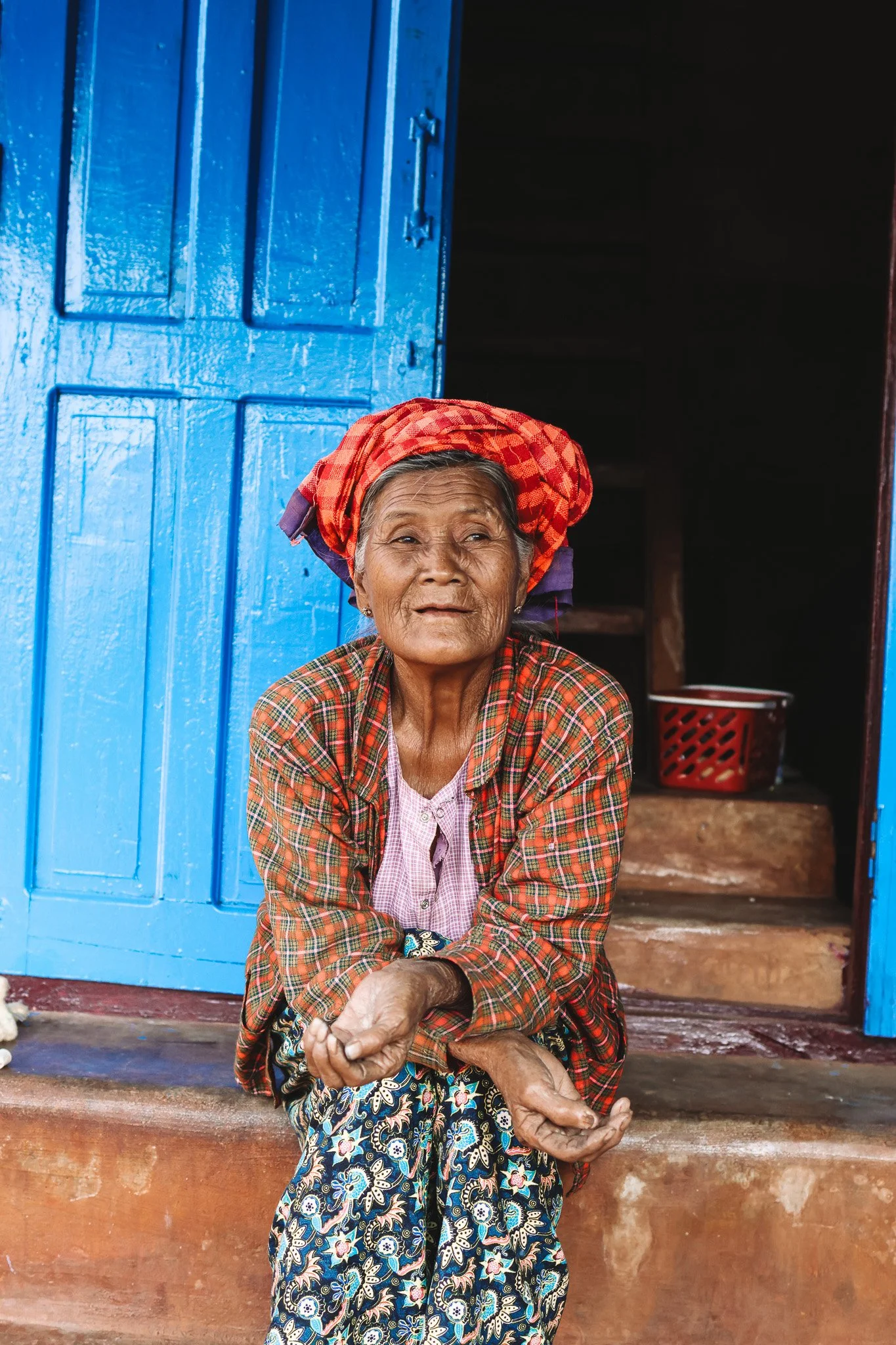
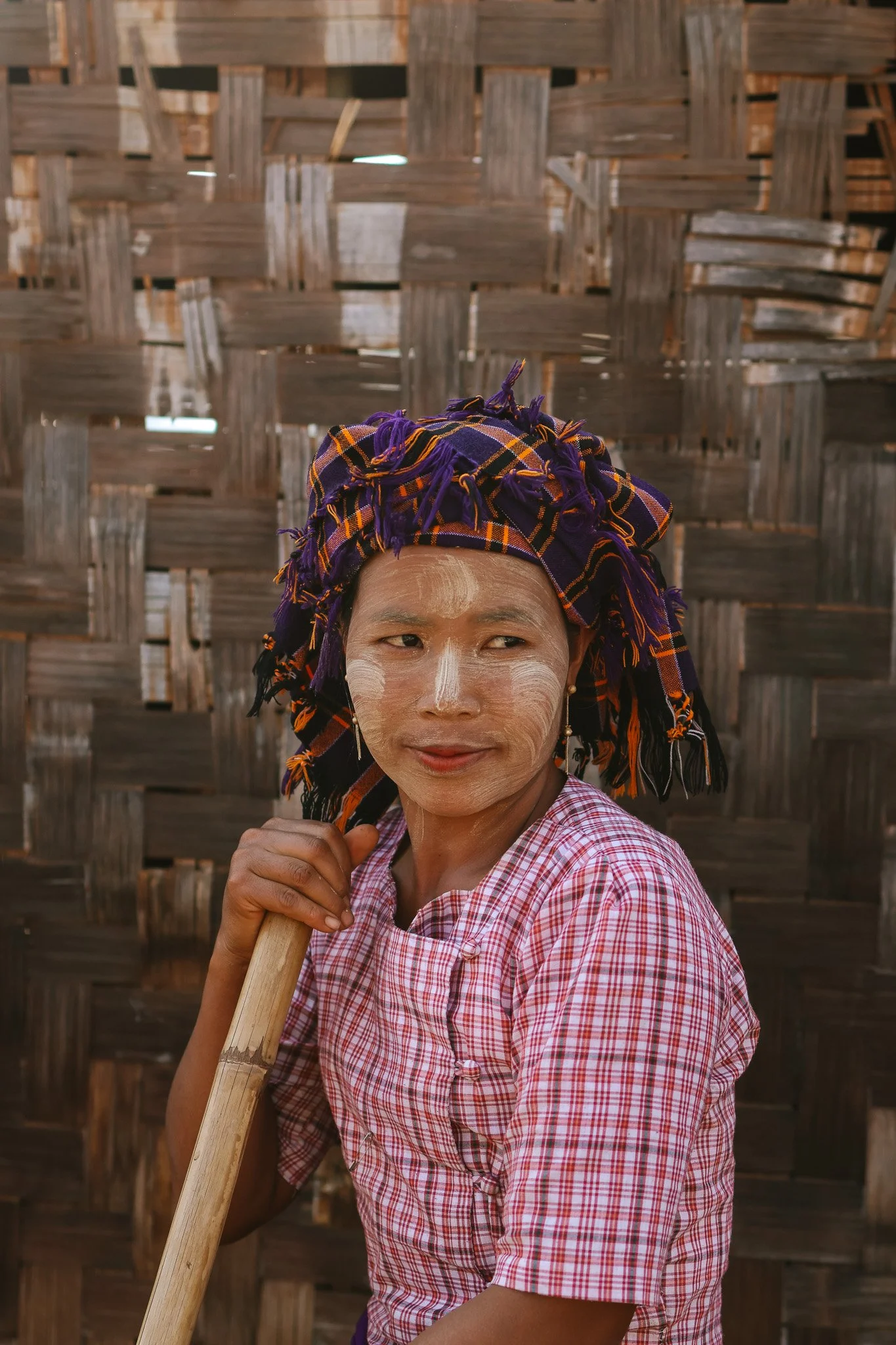
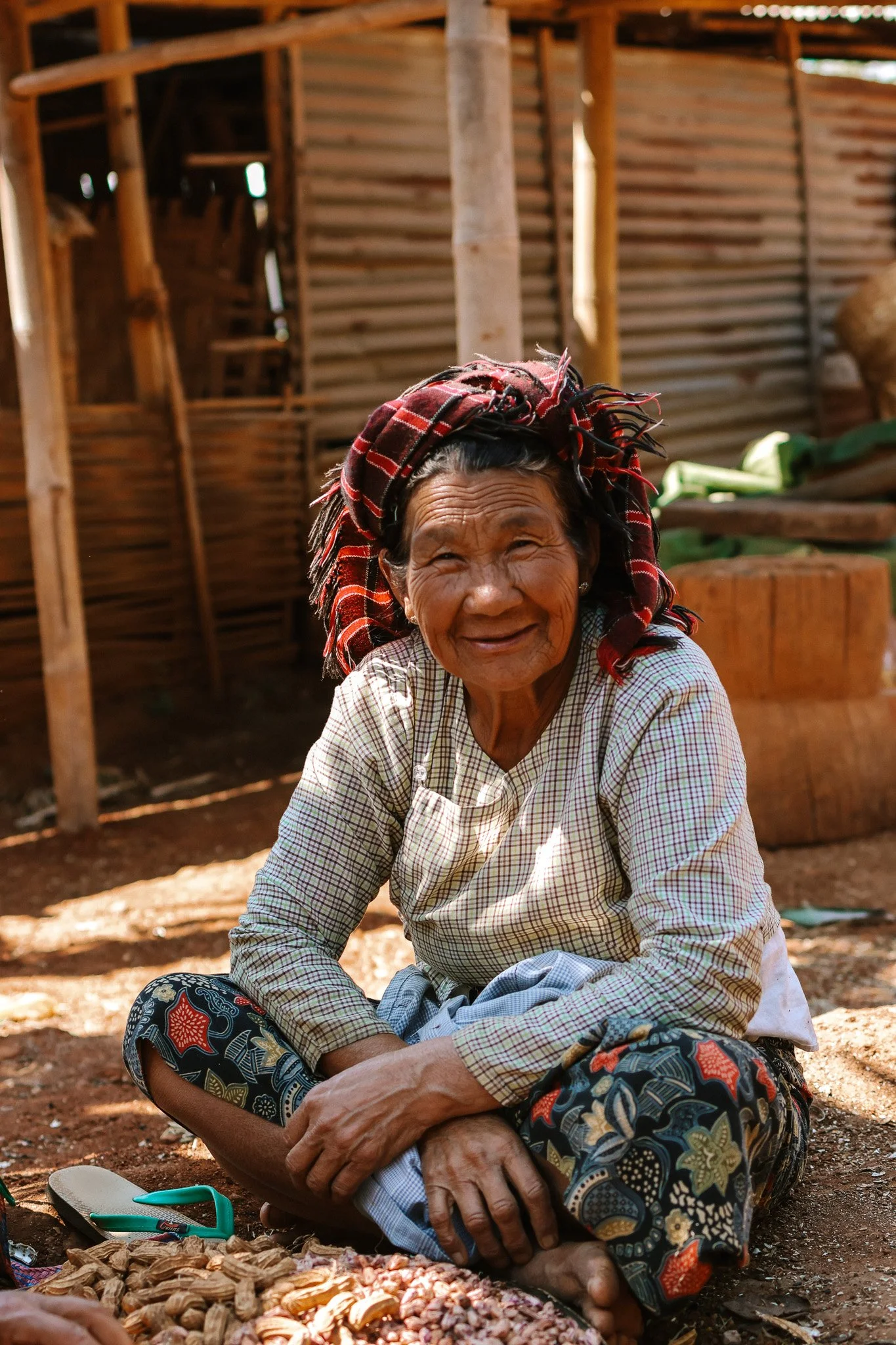
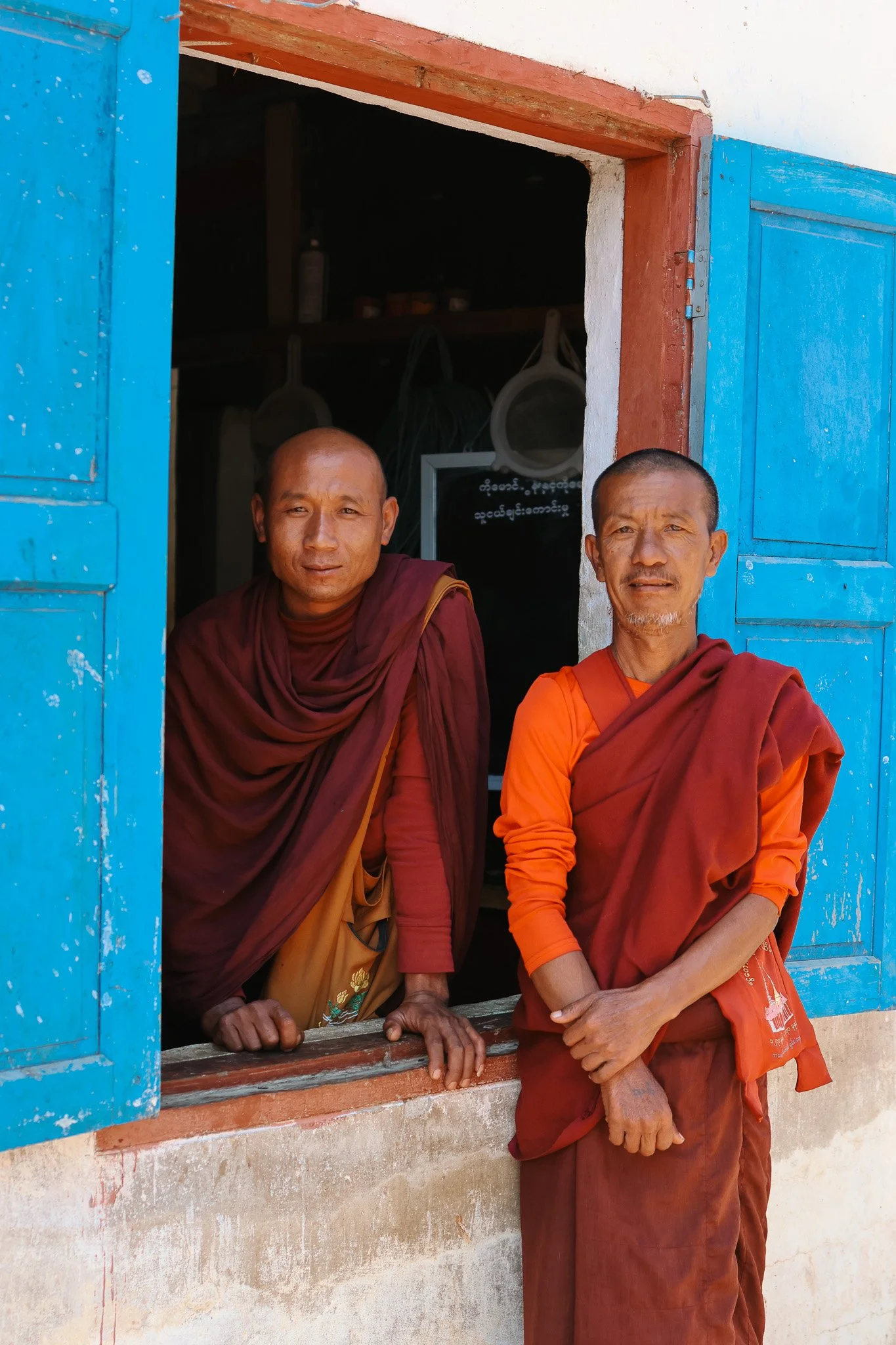
Day 2
Woke up at 6.30am, which is considered late in the village as everyone wakes up at 4am. Had breakfast and we headed off again. We caught a lift with a truck passing by carrying food supplies, so we jumped on the back of the truck. We hiked the last bit and then arrived at Inle Lake, where they fed me again…
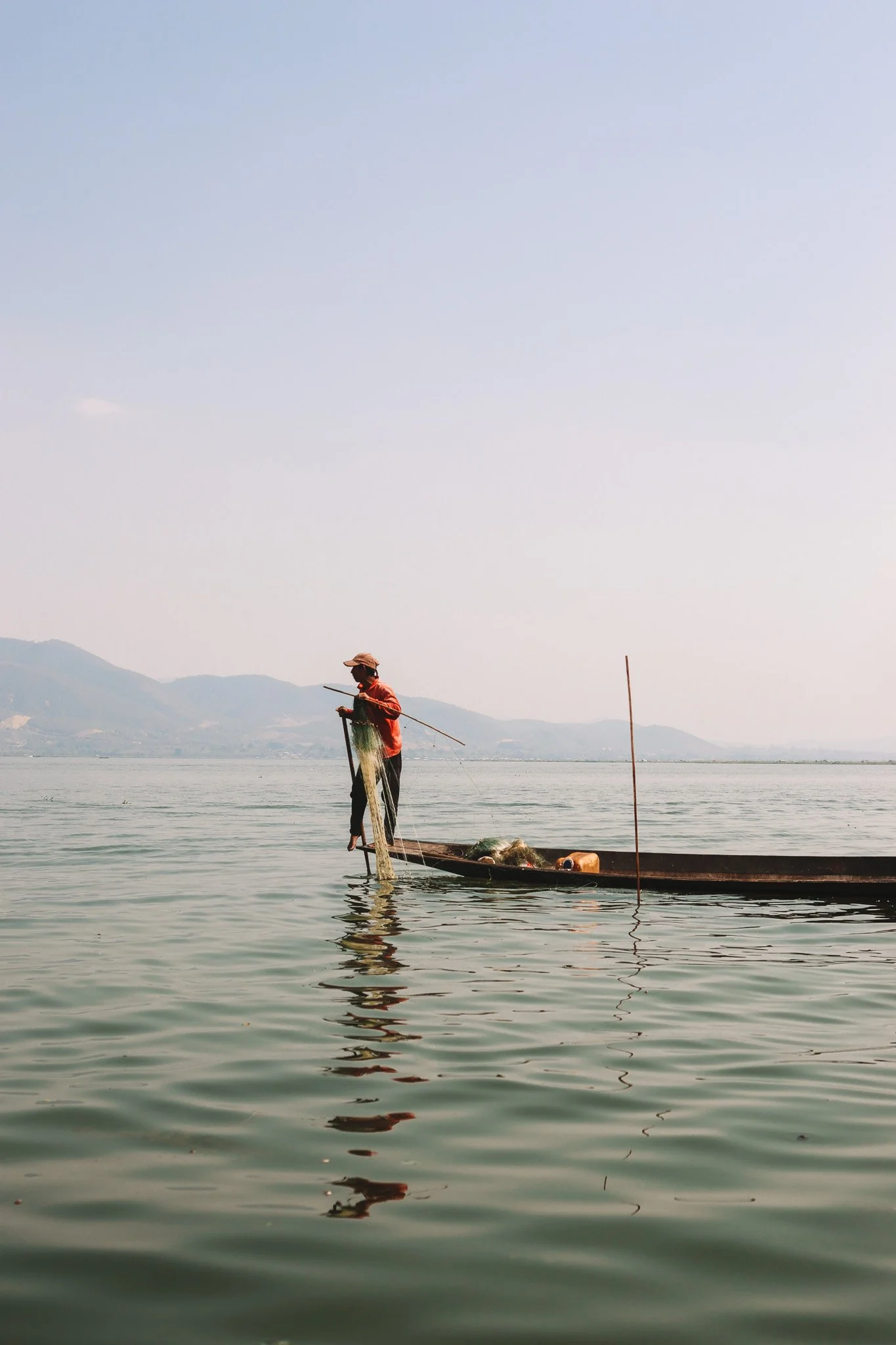
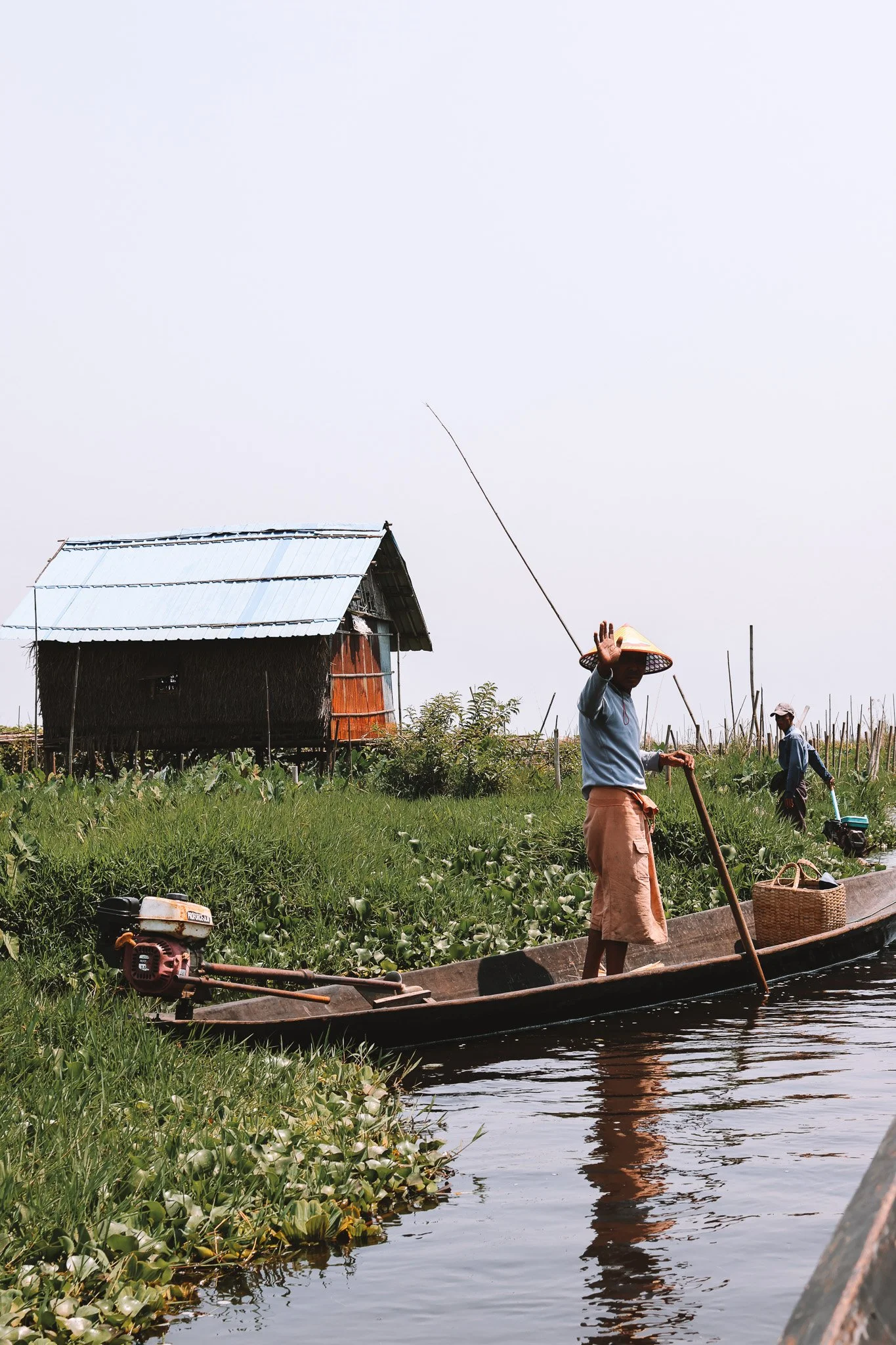
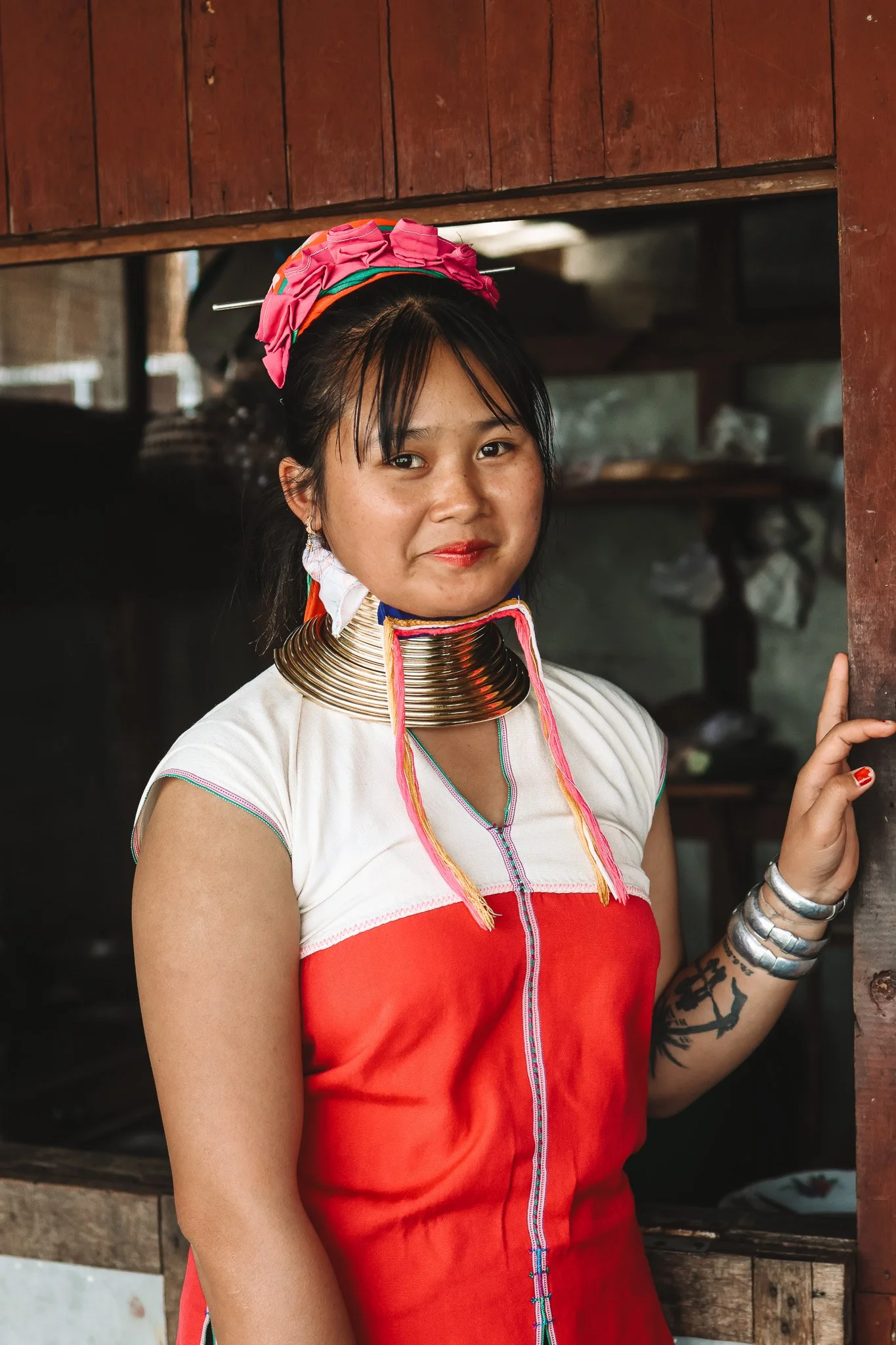
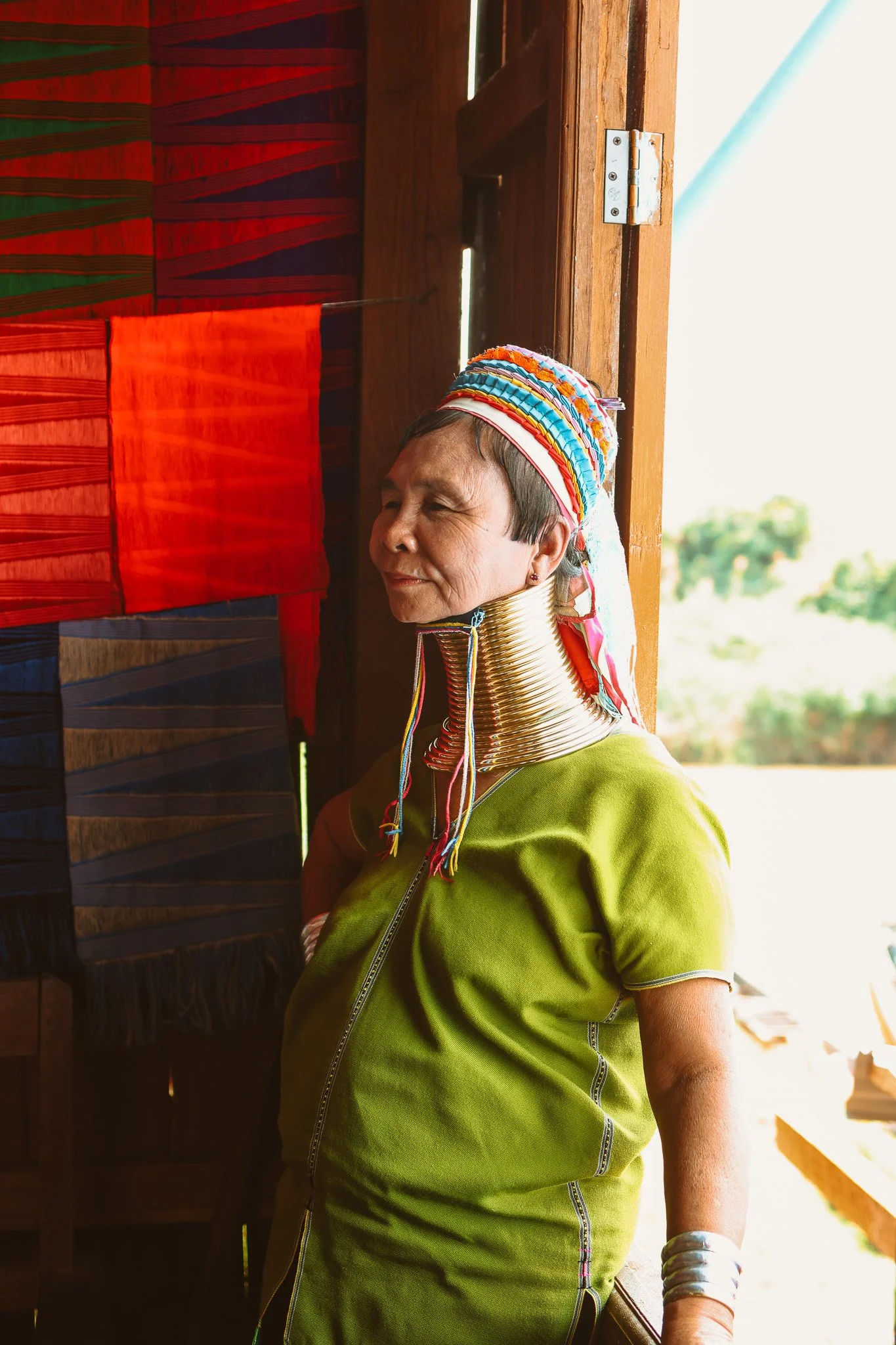
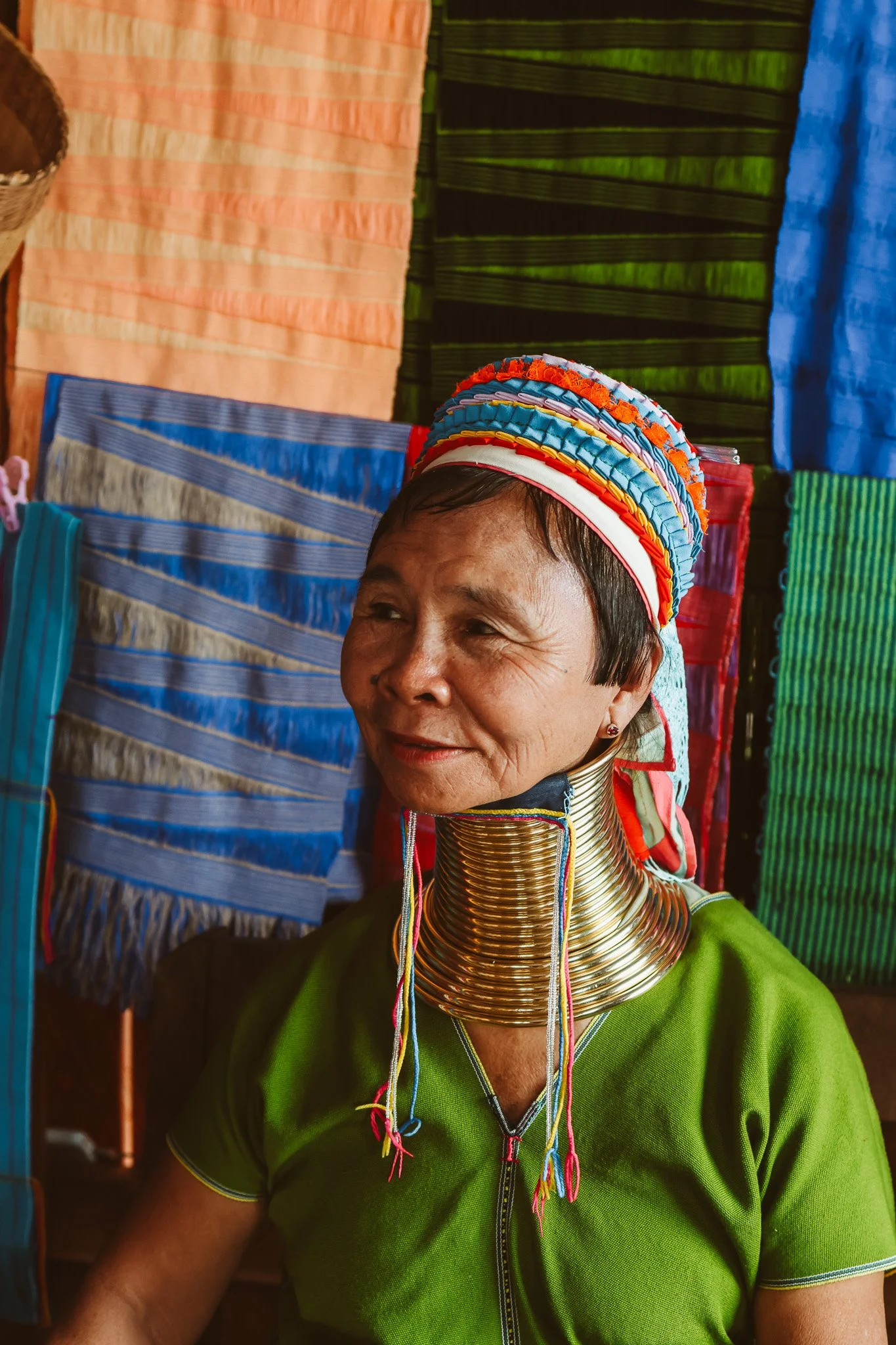
The boat trip around Inle Lake is 90k kyat / $30 aud and takes you around to see the fisherman, the Kayan tribe, silversmiths, cigar makers and weavers. I’ve never seen anyone from the Kayan tribe before (the long neck tribe), a lot have had to flee due to the war so some are now based in Inle Lake. The younger women don’t wear the rings as much as they’re forced to take them off in order to go to school in Myanmar. After the boat trip, I got dropped back to the wharf to either check-in to a hotel or in my case, rush to try and make the overnight bus to Mandalay.
Tips: if I were to do this trek again, I would have packed some better gifts. The areas you trek through are very poor and quite remote, so supplies would be appreciated. I recommend, good quality torches, head torch, battery packs, panadol / aspirin.
Mandalay
You can take an overnight bus from Inle Lake to Mandalay, (110k overnight or 50k daytime) which takes about 8 hours - shorter than I expected. I thought I’d arrive around 6:30am, but instead got in at 2am and hadn’t booked a hotel. That’s where the cash situation caught me out: I’d misjudged how much a taxi would cost and was about 50 cents short of the fare (I literally had no more cash). After a fair bit of negotiating, the driver reluctantly agreed to take me anyway.
I stayed at Mingalar Mandalay Hotel because I wanted somewhere boujie, was around $120 aud a night (they took card). I found a 1000 baht stashed away and asked a TukTuk to take me to a currency exchange that the hotel recommended, he waited outside whilst I exchanged so I could pay him.
Mandalay has some cool sites however I hate to admit, by this point I was feeling emotionally super drained and helpless. I ended up giving away the rest of that 1000 baht to women begging on the street.
I took a taxi to the airport, boarded my flight, and for the first time ever, I prayed whilst the flight flew over Mandalay, praying that the country finds peace and that all the beautiful people I met will stay safe.